
How to Prevent Dye Sublimation Migration on 100% Polyester and Sportswear with DTF Transfers?
Have you ever pressed a crisp white DTF transfer onto a black or red polyester jersey, only to see it turn dull grey or pink a few days later? This frustrating technical issue is caused by Dye Sublimation Migration (also known as dye bleeding). In this comprehensive guide, we explain the chemical cause behind dye migration on synthetic fabrics and provide actionable solutions—including anti-sublimation blockout powders and optimized press parameters—to guarantee 100% color accuracy on sportswear.
Quick Summary: Stopping Dye Migration on Synthetic Fabrics
- What Causes It: Disperse dyes used in synthetic fabrics reactivate under heat (typically above 130°C/266°F) and gaseous dye particles migrate into white DTF pigment ink.
- High-Risk Fabrics: 100% Polyester, Softshell jackets, Nylon blends, Sublimated team jerseys, and Spandex/Lycra athletic wear.
- The Solution: Use specialized Anti-Sublimation Black TPU Powder or carbon-blocker DTF films, lower press temperatures, and reduce heat dwelling time.
What Is Dye Migration in DTF Printing?
Dye migration occurs when synthetic fabric dyes heat up during the heat-pressing stage, transform into gas, and bleed upward through the TPU adhesive powder layer into the white pigment underbase. While the print may look perfect immediately after peeling, full dye migration can take 24 to 72 hours to fully manifest, ruining entire production batches of custom teamwear.
Why Does Dye Migration Happen on Polyester vs. Cotton?
Unlike natural cotton fibers dyed with direct reactive dyes, synthetic polyester garments are dyed using disperse dyes. These dyes rely on heat to bond with plastic polymers.
| Fabric Property | 100% Cotton | 100% Polyester / Sportswear |
|---|---|---|
| Dye Type | Reactive Dyes (Stable) | Disperse Dyes (Heat Volatile) |
| Dye Reactivation Temp | N/A (Does not gaseous) | Reactivates at 130°C - 150°C (266°F - 302°F) |
| Risk Level | Zero Migration Risk | Very High Risk (Dark Colors) |
| Migration Symptom | None | White ink turns pink, blue, or grey over 1–3 days |
4 Proven Methods to Prevent Dye Bleeding on Sportswear
1. Use Anti-Sublimation Black TPU Powder (Carbon Blocker)
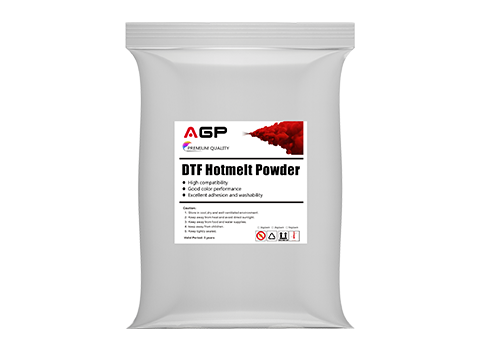
The most effective physical defense against dye migration is switching from standard white or clear TPU adhesive powder to Anti-Sublimation Black TPU Powder. This specialized hot-melt powder is infused with activated carbon particles.
- How It Works: The carbon layer acts as a physical barrier shield between the polyester fibers and the white ink layer, trapping rising dye gases before they reach your printed design.
- Best For: Deep red, royal blue, navy, and black 100% polyester jerseys or sublimated softshell garments.
2. Optimize Heat Press Temperature & Time
Since heat triggers dye gasification, reducing your press temperature is vital when decorating synthetic garments.
- Standard Cotton Settings: 150°C – 160°C (302°F – 320°F) for 12–15 seconds.
- Anti-Migration Polyester Settings: 130°C – 140°C (266°F – 284°F) for 8–10 seconds using medium pressure.
Pro Tip: Always perform a 2-stage lower temperature press. Press once to transfer, peel the carrier film cold, and cover with a Teflon sheet for a quick 3-second post-press to seal edges.
3. Increase White Ink Underbase Density in RIP Software
In your RIP software (such as FlexiPrint or MainTop), increase the white ink density slightly (e.g., from 70% to 85–90%). A thicker white underbase layer creates a denser ink barrier that resists color absorption from underlying dyes.
4. Choose Low-Temperature Curing TPU Powders
If you prefer white TPU powder, source high-purity, low-temperature melting TPU powders engineered to melt completely between 110°C and 120°C during oven curing. Lower melting thresholds allow lower heat press application temperatures on finished garments.
Frequently Asked Questions (FAQ)
Does anti-sublimation black powder change the color of light garments?
Yes. Because anti-sublimation powder contains carbon black particles, it leaves a dark adhesive layer on the underside of the film. While invisible on dark polyester, it may slightly show through on paper-thin or semi-transparent white garments. Use standard clear/white TPU powder for light-colored fabrics.
Why did my DTF print turn pink 48 hours after heat pressing?
Dye migration is a slow chemical process. Even if the white ink looks bright immediately after pressing, gaseous disperse dyes trapped under the hot press continue migrating upward into the white pigment until the garment fully cools and stabilizes.
Can I print DTF on waterproof polyester jackets?
Waterproof or DWR (Durable Water Repellent) coated polyester jackets have surface silicone treatments that prevent standard adhesives from sticking. Pre-test adhesion strength or use high-tack TPU powders with adjusted pressure to ensure strong wash durability.
Master Sportswear Customization with AGP DTF Solutions
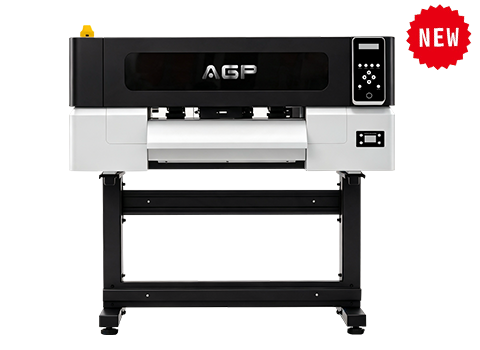
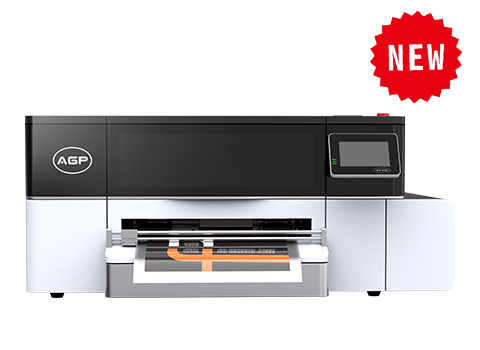
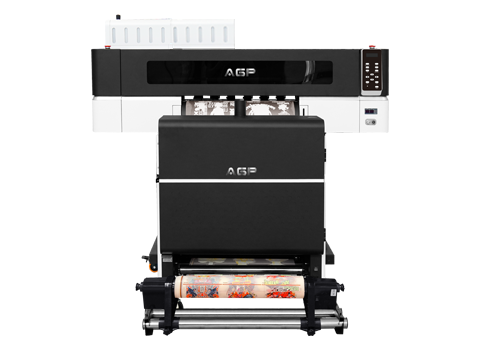
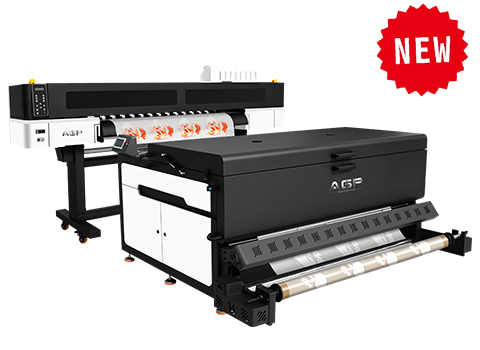
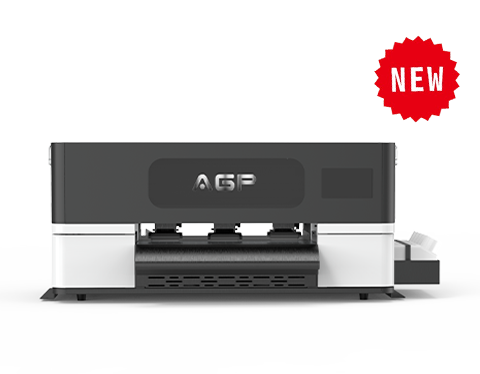
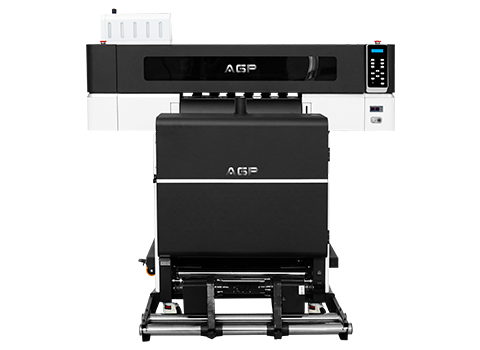
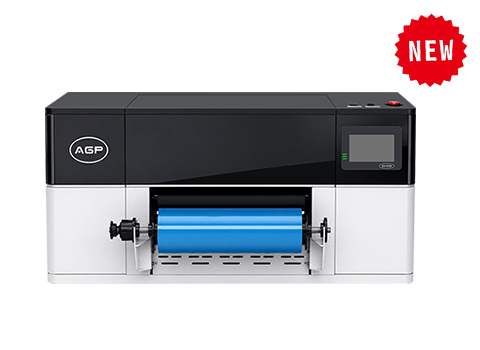
Say goodbye to dull prints and bleeding white inks on team jerseys! Discover AGP’s high-precision DTF printers, anti-sublimation TPU powders, and premium pigment inks designed for vibrant, durable transfers on any fabric.
Contact AGP Tech Support & Sample Request