
How to Choose the Best 24″ DTF Printer in 2026: i1600 vs i3200 Printheads Compared
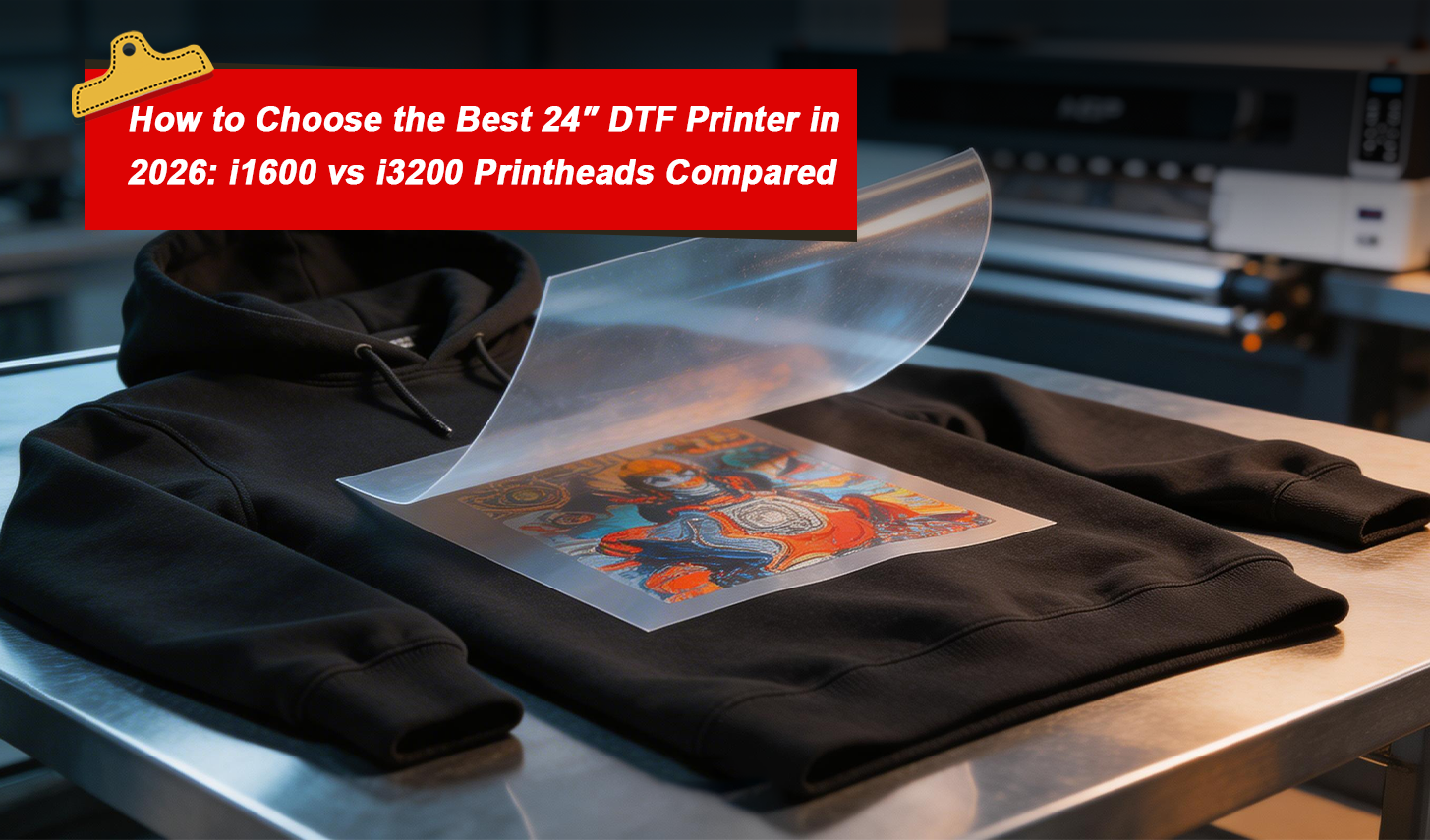
As the garment customization industry continues to expand worldwide, DTF printers have become one of the most widely adopted technologies in textile decoration. In particular, 24-inch DTF printers are now considered the standard equipment for professional apparel printing businesses.
While many manufacturers claim to provide the best DTF printing machines, the true performance of a printer depends heavily on two critical factors: printhead technology and internal machine structure.
For entrepreneurs entering the custom apparel industry—or for businesses upgrading from desktop equipment—choosing the right 24-inch direct-to-film printer can significantly influence productivity, print quality, and long-term profitability.
This 2026 guide explores the key differences among modern DTF printers, including printheads, printer structures, ink management systems, and workflow efficiency. Understanding these factors will help you select the most suitable DTF printing machine for your business.
Why 24-Inch DTF Printers Are Leading the Textile Printing Industry
Over the past few years, the demand for roll-to-roll DTF printers has grown rapidly. Compared with desktop printers, 24-inch DTF printers provide a significant increase in production capacity.
Several factors explain why these machines have become the preferred choice for commercial garment printing.
First, wider printing formats allow operators to print multiple designs simultaneously on PET film, dramatically increasing production efficiency.
Second, industrial DTF printers support continuous printing workflows when combined with automatic powder shaker machines and curing units.
Third, large-format printers typically include advanced ink circulation systems, which are crucial for maintaining stable white ink printing—one of the most challenging aspects of DTF technology.
Because of these advantages, many growing businesses upgrade from A3 DTF printers to 24-inch industrial DTF printers once their order volume increases.
Understanding DTF Printhead Technology: Epson i1600 vs Epson i3200
The printhead is the most important component of any DTF printing machine. In 2026, the two most commonly used printheads in 24-inch DTF printers are the Epson i1600 and Epson i3200.
Both models deliver high-resolution textile printing, but their performance characteristics differ.
Epson i1600 Printhead
The Epson i1600 printhead is often considered a cost-effective industrial option for mid-volume production.
Key characteristics include:
- 1600 nozzles
- 4 ink channels
- Reliable 600 DPI precision
- Lower replacement cost
Because of its balance between performance and affordability, the i1600 is widely used in entry-level industrial DTF printers. Many small and medium businesses prefer this configuration when starting their DTF printing business.
Epson i3200 Printhead
The Epson i3200 printhead represents the next level of industrial printing performance.
It features:
- 3200 nozzles
- 8 ink channels
- Significantly higher ink output
- Faster production speed
For companies operating high-volume custom apparel production, i3200 printheads can dramatically increase throughput.
Many professional roll-to-roll DTF printers are built around this printhead because it allows continuous production without sacrificing print quality.
Performance Comparison: Epson i1600 vs i3200
To better understand the practical difference between these two technologies, let’s compare their production capabilities.
| Feature | Epson i1600 | Epson i3200 |
|---|---|---|
| Nozzle Count | 1600 | 3200 |
| Ink Channels | 4 | 8 |
| Print Speed | 25–30 sq ft/hr | 45–60 sq ft/hr |
| Best Application | Medium production shops | High-volume production |
| Maintenance | Easier setup | Requires precise calibration |
For small businesses producing limited batches of DTF transfers, the i1600 configuration provides a good balance of cost and efficiency.
However, for companies running large-scale garment printing operations, the i3200 printhead delivers the speed necessary for continuous production.
Structural Design of Modern 24-Inch DTF Printers
Beyond printheads, the structural design of a DTF printer also plays a critical role in printing stability.
In general, 24-inch DTF printers fall into two main categories.
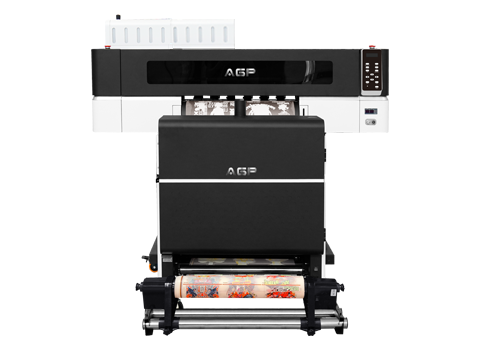
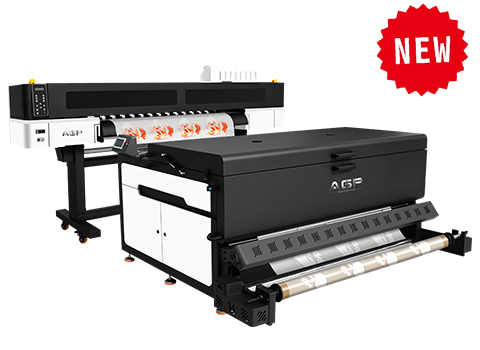
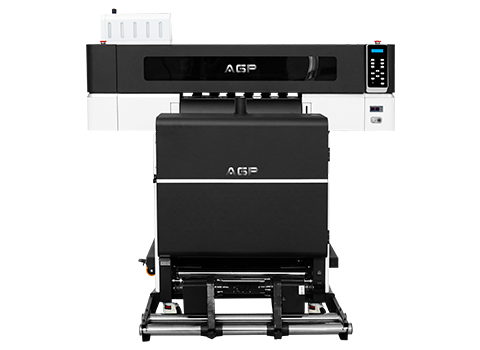
Integrated Roll-to-Roll Systems
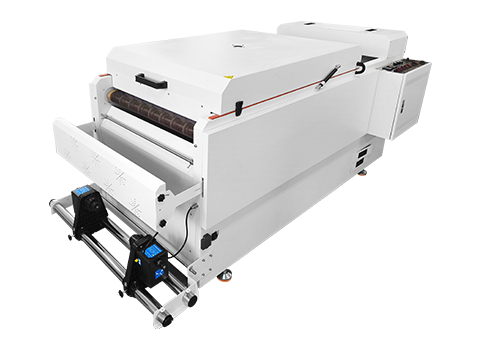
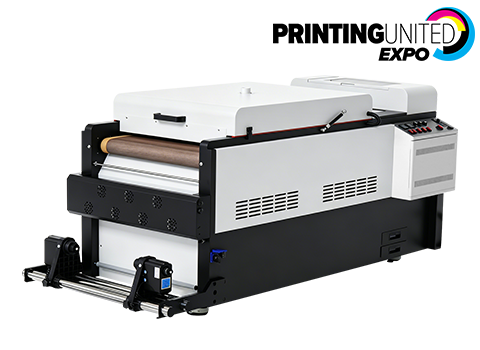
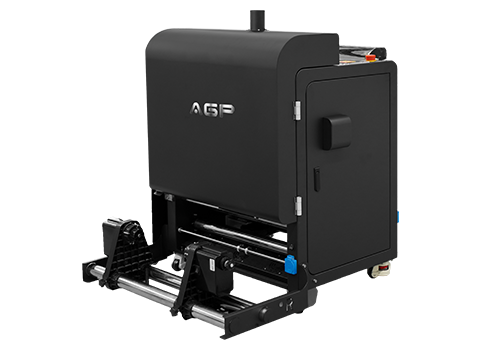
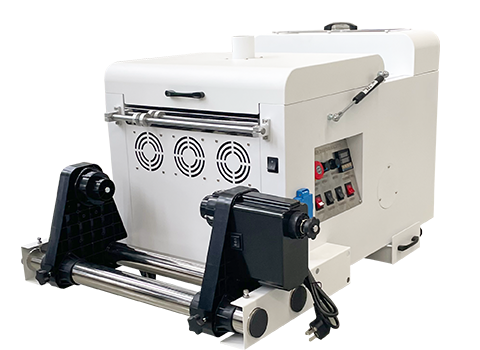
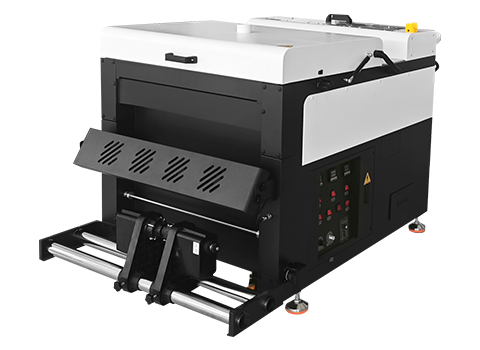
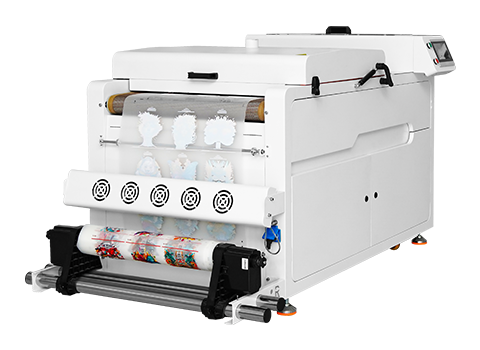
In an integrated setup, the DTF printer connects directly to a powder shaker and curing unit.
This configuration creates a fully automated production workflow:
- Print design onto PET film
- Apply adhesive powder automatically
- Cure powder using heating tunnels
- Collect finished transfer film
This system is ideal for commercial DTF transfer printing operations that require continuous production.
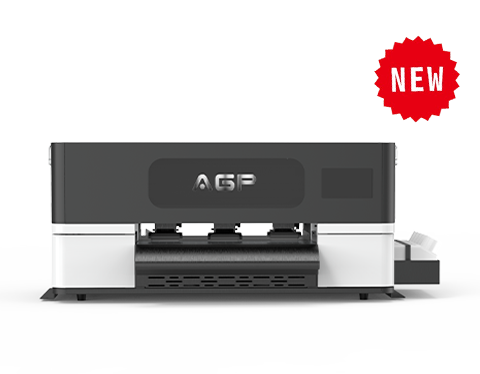
Standalone Printer Systems
Some businesses choose standalone printers without integrated powder shaking equipment.
In this case, operators must manually:
- Apply adhesive powder
- Cure the powder in an oven
- Transfer designs using a heat press
Although this setup reduces the initial equipment cost, it is less efficient for large-scale production.
Ink Circulation and White Ink Management Systems
White ink is one of the most challenging components in DTF printing technology. Without proper management, pigment particles may settle and clog the printhead.
Modern DTF printers address this issue through advanced ink management systems.
Timed Ink Circulation
Many professional DTF printing machines circulate ink through the system periodically to prevent sedimentation.
This process maintains consistent ink flow and improves print reliability.
White Ink Stirring Systems
White pigment is heavier than other ink colors, which makes it prone to settling in the tank.
High-quality industrial DTF printers include built-in stirring motors that keep the white ink evenly mixed.
Intelligent Nozzle Compensation
Some advanced machines now incorporate nozzle compensation technology, which uses software algorithms to compensate for temporarily blocked nozzles.
This feature minimizes downtime and ensures consistent output during long production runs.
Key Features to Evaluate When Buying a DTF Printer
When comparing different DTF printers, several technical features can significantly influence performance.
Vacuum Suction Platform
A vacuum bed keeps the PET film flat during printing. Without this feature, the film may lift slightly and strike the printhead, causing print defects.
Heated Film Entry and Exit Plates
Preheating the film helps the ink settle more quickly, preventing ink bleeding and improving fine detail printing.
Professional RIP Software
The choice of DTF RIP software also affects print quality.
Advanced solutions such as Cadlink Digital Factory provide better color management, white ink control, and ICC profile support.
Using professional RIP software ensures accurate color reproduction and consistent DTF transfer prints.
Choosing the Right 24-Inch DTF Printer for Your Business
Selecting the best 24-inch DTF printer ultimately depends on your production goals and business scale.
If your company handles large daily volumes of custom apparel printing, a machine equipped with Epson i3200 printheads is likely the most efficient option.
However, if you are a growing business with moderate production requirements, a printer with i1600 printheads may offer a more cost-effective solution.
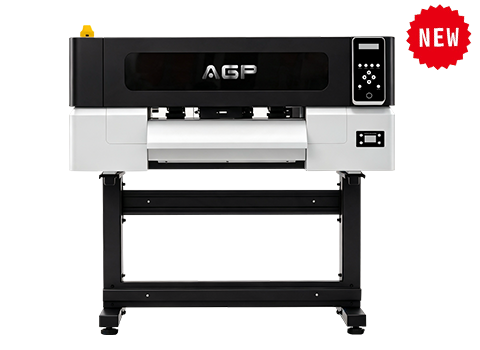
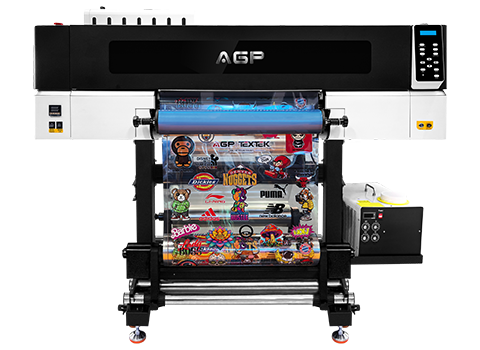
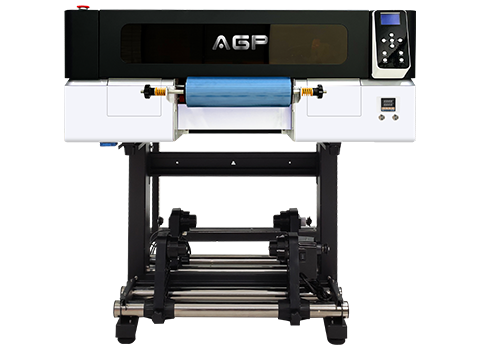
Manufacturers such as AGP specialize in designing professional DTF printing machines that combine stable printhead technology with durable industrial structures.
By evaluating factors such as printhead performance, machine design, and ink management systems, businesses can choose a DTF printer that supports long-term growth.
Conclusion
In 2026, 24-inch DTF printers have become essential equipment for businesses involved in garment customization and textile decoration.
While many printers appear similar on the surface, their performance depends on deeper technical factors such as printhead technology, machine structure, and ink circulation systems.
Understanding the differences between Epson i1600 and i3200 printheads, evaluating the structural design of printers, and selecting reliable DTF printing equipment can help businesses achieve higher productivity and consistent print quality.
For companies planning to expand their apparel printing operations, investing in a well-engineered industrial DTF printer can provide a strong competitive advantage in the fast-growing custom clothing market.
FAQs
What is the main difference between Epson i1600 and i3200 printheads?
The primary difference lies in nozzle count and printing speed. The i3200 contains 3200 nozzles and supports faster production speeds, while the i1600 offers 1600 nozzles and is more affordable to replace.
Can a 24-inch DTF printer operate without an automatic powder shaker?
Yes, but manual powder application significantly reduces production efficiency. For commercial DTF printing businesses, an automated powder shaker system is highly recommended.
What daily maintenance is required for industrial DTF printers?
Operators typically need to perform basic maintenance tasks such as nozzle checks, printhead cleaning, and ensuring proper ink circulation to maintain optimal printing performance.