
DTF vs UV DTF Printer Comparison Complete Guide for Apparel and Hard Surface Printing
If you had to invest real money into a printing system today, you would probably hesitate.
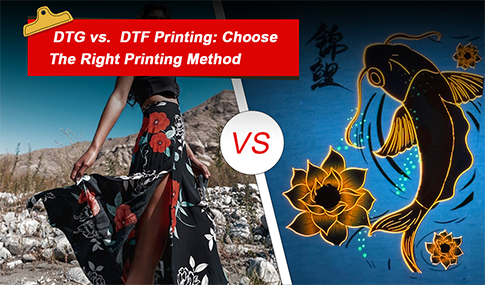
Should you choose DTF printing or UV DTF printing?
Both sound similar. Both use film. Both look modern. Both are popular in custom printing businesses.
But here is the truth.
They are not competing technologies. They solve completely different problems.
And choosing the wrong one can slow down your entire business.
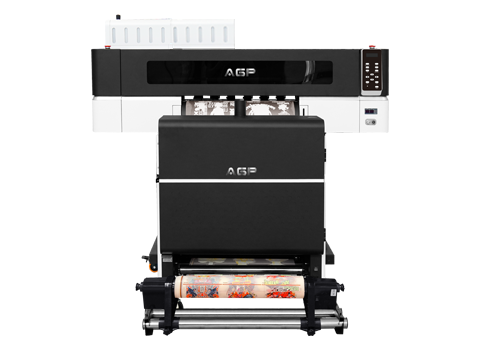
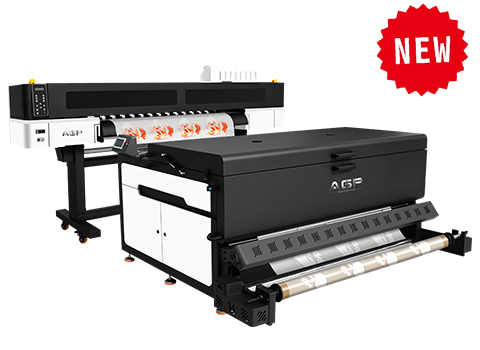
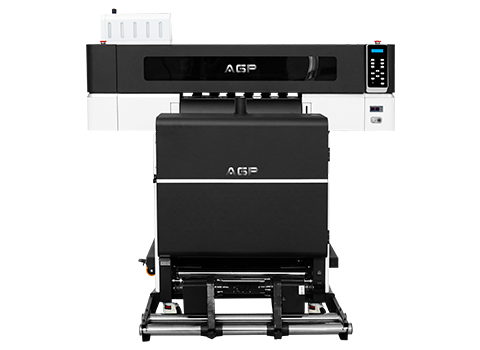
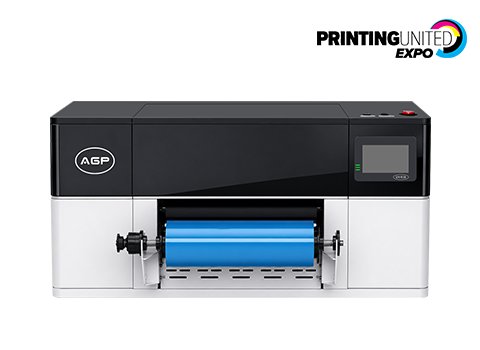
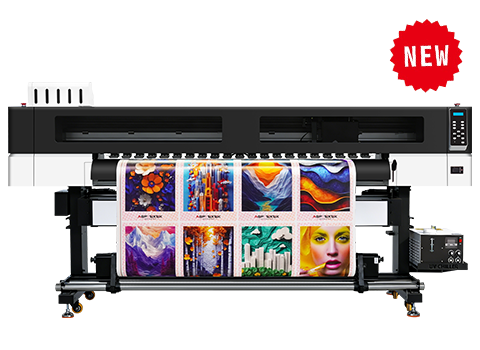
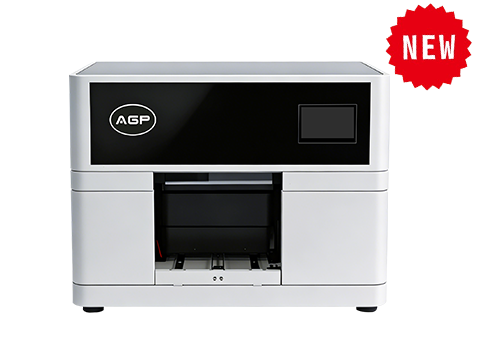
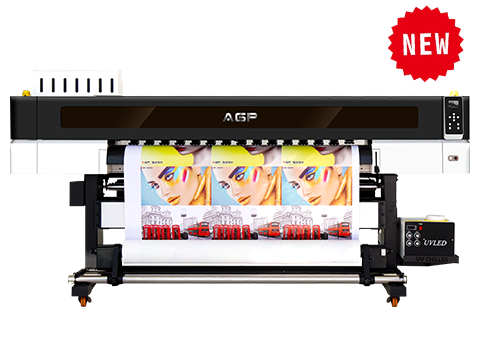
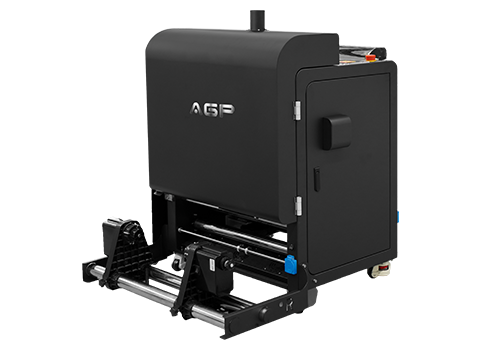
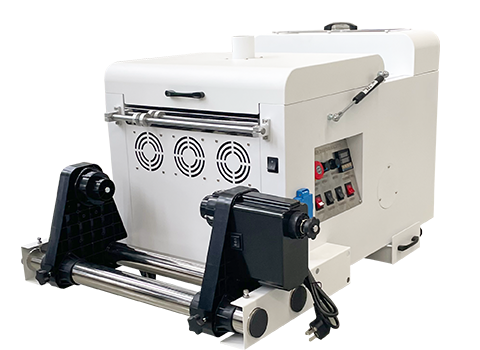
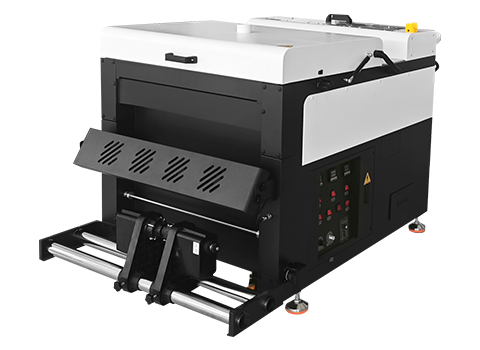
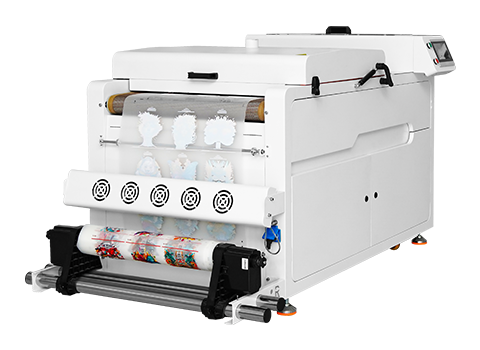
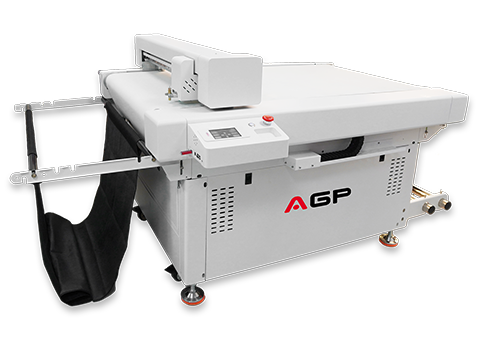
So in this guide, we are going to break everything down in a simple, real world way using AGP printing systems as the reference for modern production setups.
No confusion. No fluff. Just clarity.
Same Name Different World Why DTF and UV DTF Are Not the Same Thing
At first glance, DTF and UV DTF look almost identical.
Same abbreviation. Similar workflow. Both use film transfer.
But that is where the similarity ends.
DTF printing is designed for fabrics and textiles.
UV DTF printing is designed for hard surfaces like glass, metal, acrylic, and plastic.
So the real difference is not the machine.
It is the material.
Think of it like this.
DTF is for clothing and fabric products.
UV DTF is for hard goods and product decoration.
If your business is apparel focused, DTF printing is your direction.
If you are targeting product branding or promotional goods, UV DTF printing is the better path.
What Is DTF Printing How It Actually Works in Real Production
DTF stands for direct to film printing.
Instead of printing directly on fabric, the design is first printed on PET film and then transferred to garments.
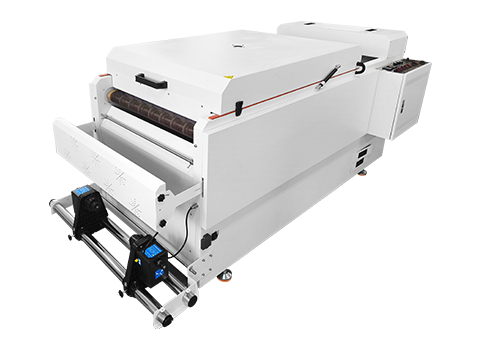
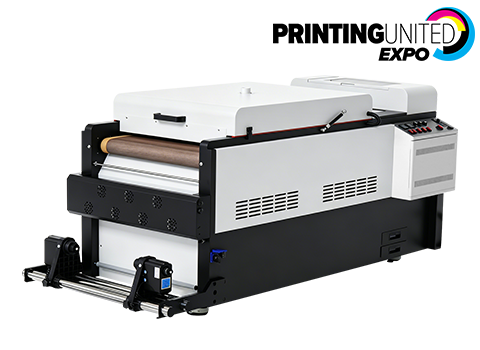
Here is the real production flow used in AGP DTF printer systems.
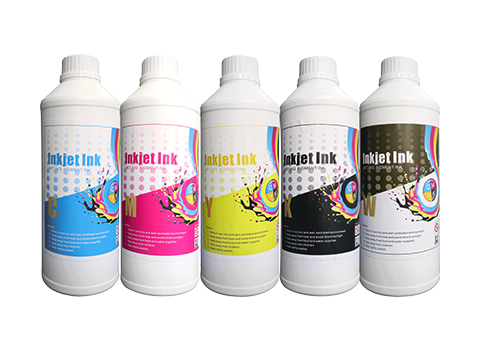
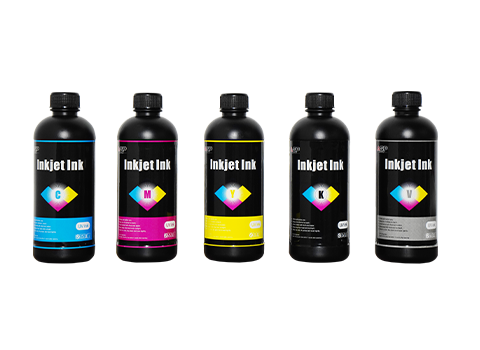
First, the design is printed onto PET film using CMYK and white ink layers.
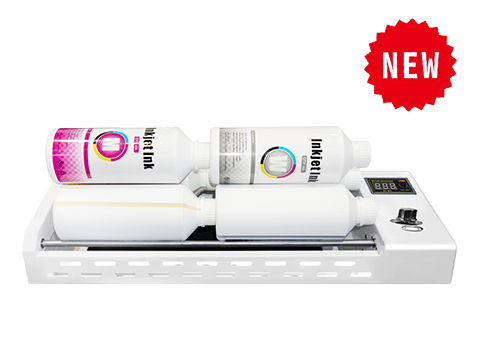
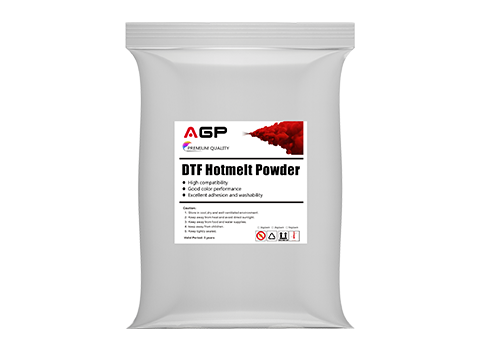
Next, hot melt adhesive powder is applied while the ink is still wet.
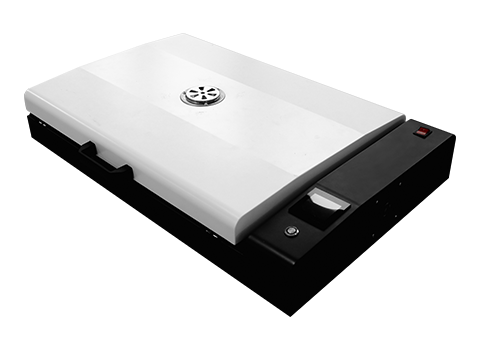
Then the film goes through a curing process where heat activates the adhesive.
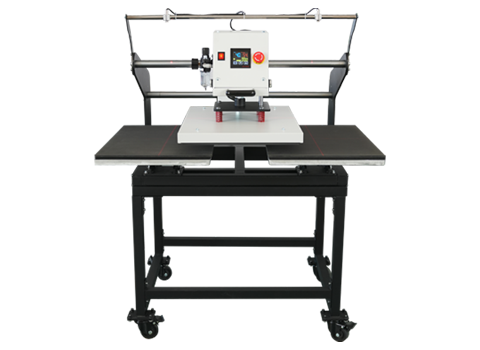
Finally, the design is transferred onto fabric using a heat press machine.
This process is widely used in custom apparel printing, print on demand clothing, and small batch garment production.
The biggest advantage is flexibility.
It works on cotton, polyester, blends, and many other fabric types without pretreatment.
What Is UV DTF Printing The Game Changer for Hard Surface Products
UV DTF printing is a completely different workflow.
Instead of heat curing, it uses ultraviolet light to instantly cure ink on film.
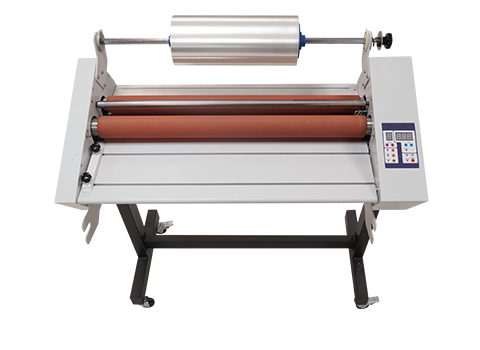
The design is printed onto film layers, then laminated and turned into a pressure activated sticker transfer.
After that, it can be applied to almost any hard surface.
Glass bottles, acrylic boards, metal plates, phone cases, wood products, ceramic items, promotional goods.
This is where UV DTF printing becomes powerful.
It is not limited to textiles.
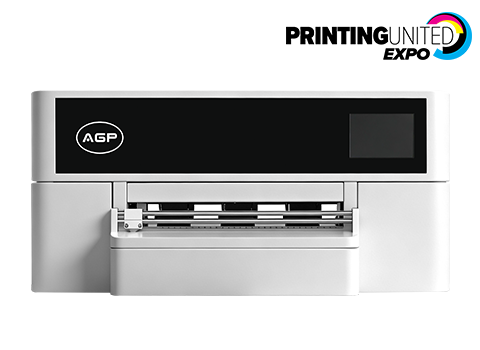
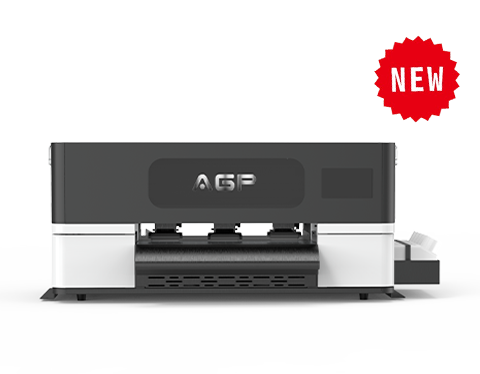
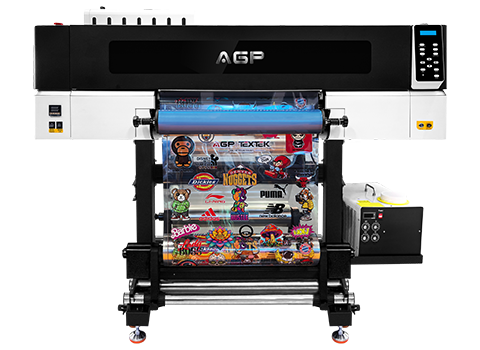
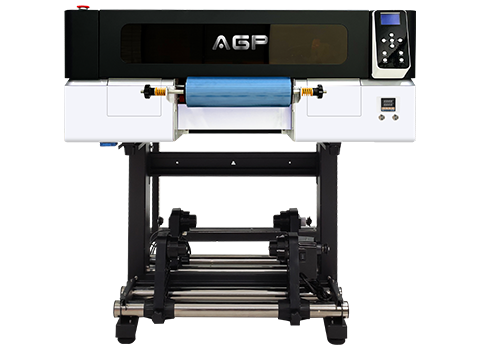
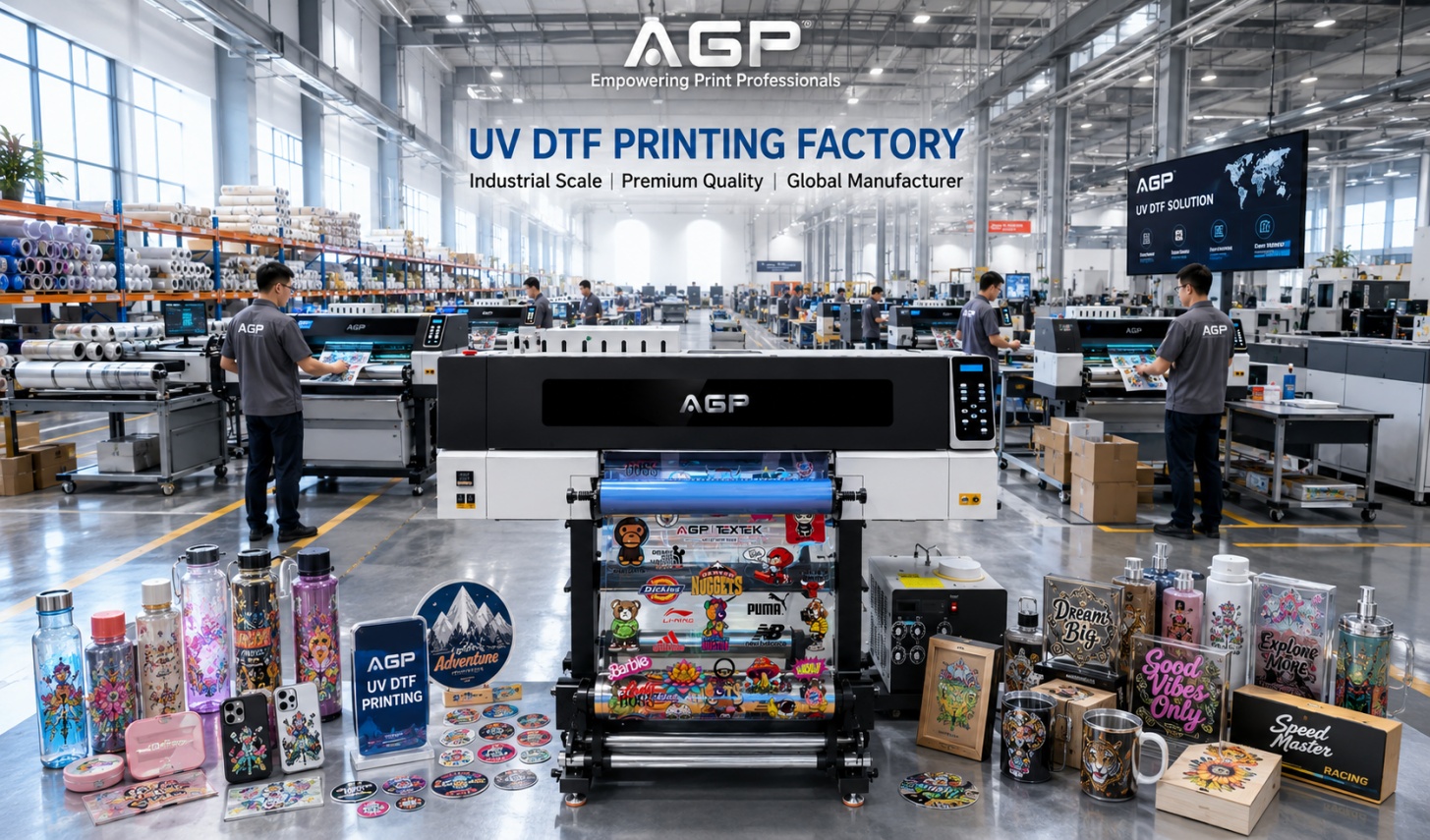
With AGP UV DTF printer systems, businesses can produce high quality decorative stickers for product branding and retail customization.
Even curved and irregular surfaces can be decorated easily.
Key Technical Difference Adhesive Chemistry Decides Everything
This is where most beginners get confused.
But once you understand adhesive behavior, everything becomes simple.
DTF printing uses heat activated adhesive powder.
It melts into fabric fibers and becomes part of the garment.
That is why it works on textiles and allows stretchability.
UV DTF uses pressure sensitive adhesive.
It bonds to smooth hard surfaces without heat.
It creates a permanent sticker like layer on non porous materials.
So the rule is simple.
DTF is designed for soft and flexible surfaces.
UV DTF is designed for rigid and smooth surfaces.
They are not interchangeable.
Where DTF Printing Wins Best Use Cases in Real Business
DTF printing is dominant in apparel based businesses.
It is widely used for:
Custom t shirt printing business
Hoodies and streetwear production
Print on demand clothing stores
Sportswear customization
Event merchandise printing
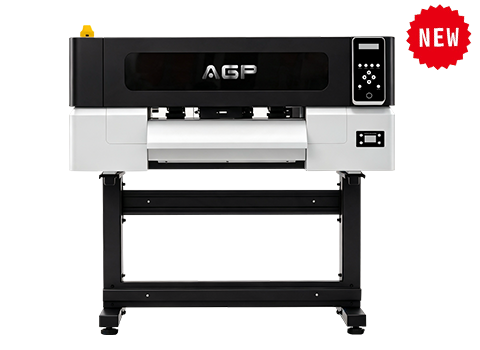
With AGP DTF printer systems, businesses can produce full color designs with fast turnaround and scalable output.
It is especially powerful for small batch orders and personalized apparel.
If your customer base is clothing focused, DTF is your core engine.
Where UV DTF Printing Wins Best Use Cases for Hard Goods
UV DTF printing is built for product decoration beyond fabric.
It is commonly used in:
Acrylic signage printing
Glass bottle branding
Metal label customization
Phone case decoration
Promotional product branding
Gift product personalization
With AGP UV DTF printing systems, businesses can expand into high value hard goods markets.
This opens doors to corporate branding, retail packaging, and promotional merchandise.
If your customers want branded objects instead of clothing, UV DTF is the answer.
Can You Use Both DTF and UV DTF Together
Yes, and many businesses already do.
In fact, hybrid production models are becoming more common in 2026.
Here is how companies combine them.
DTF is used for apparel production.
UV DTF is used for product branding and promotional items.
Together, they allow a business to offer complete brand packages.
For example, a customer might request shirts, tumblers, stickers, and signage.
With both technologies, you can fulfill everything in house.
Without both, you lose part of the order.
But this setup is not for everyone.
It requires investment, space, and workflow management.
Buyer Decision Guide How to Choose the Right One
If you are still unsure, use this simple logic.
If your main product is clothing, choose DTF printing.
If your main product is hard goods, choose UV DTF printing.
If your product needs flexibility and stretch, choose DTF.
If your product needs rigid surface bonding, choose UV DTF.
If your business uses heat press production, choose DTF.
If your business uses sticker application workflow, choose UV DTF.
This decision tree eliminates most confusion immediately.
Business Strategy Which One Makes More Sense in 2026
In 2026, the printing industry is not about machines anymore.
It is about business models.
DTF printing dominates apparel ecommerce and print on demand brands.
UV DTF printing dominates product branding and custom merchandise markets.
AGP printing systems support both directions depending on your business model.
The real question is not which is better.
It is which market you want to enter.
Final Conclusion DTF vs UV DTF Is Not a Competition
There is no winner between DTF and UV DTF printing.
They are different tools for different jobs.
DTF printing is for textiles, fashion, and apparel businesses.
UV DTF printing is for hard goods, branding, and product decoration.
If you understand your product direction, the choice becomes obvious.
And if your business grows, you may eventually use both.
Because modern print shops in 2026 do not rely on one method anymore.
They build full production ecosystems.