
DTF Printer vs UV DTF Printer: Which One Should You Buy in 2026?
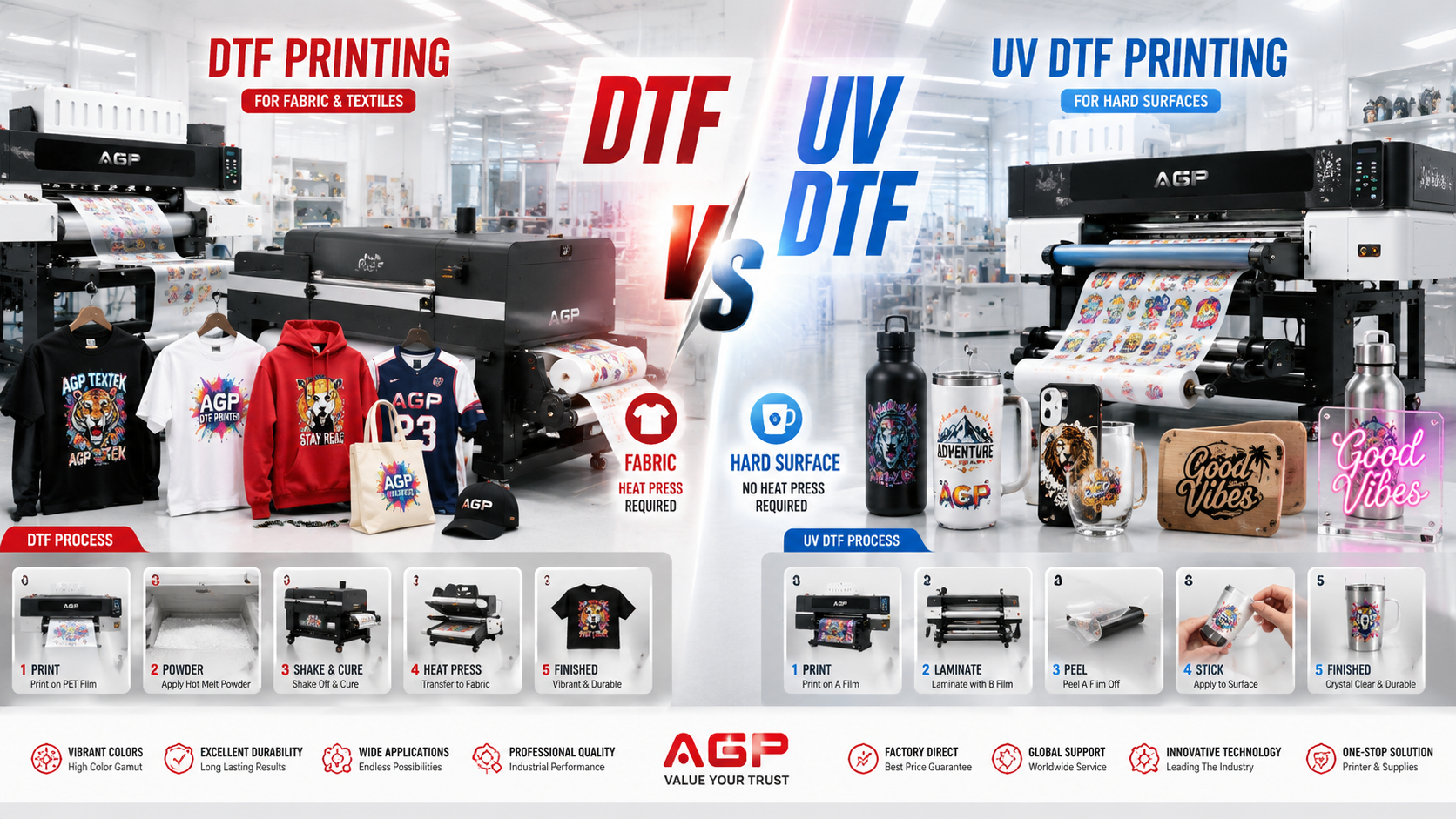
If you're researching custom printing equipment, you've almost certainly come across two technologies that dominate the market: DTF printers and UV DTF printers. On the surface they sound similar, and both produce high-quality, full-color custom prints — but they work differently, print on different materials, and serve different markets.
This guide breaks down everything you need to know so you can make the right buying decision for your business.
Quick Answer: DTF vs UV DTF at a Glance
| Feature | DTF Printer | UV DTF Printer |
|---|---|---|
| Primary Application | Fabric & textiles | Hard surfaces & rigid materials |
| Transfer Method | Heat press onto fabric | Peel-and-stick crystal label |
| Substrates | Cotton, polyester, nylon, blends | Metal, wood, glass, ceramic, acrylic, leather, plastic |
| Output Type | Heat-transfer film | Self-adhesive UV sticker/label |
| White Ink Required | Yes | Yes (for opacity on dark surfaces) |
| Heat Press Required | Yes | No |
| Washability | Excellent (fabric-embedded) | N/A (hard surface application) |
| Entry Price Range | $2,500 – $20,000+ | $1,500 – $30,000+ |
| Best For | Apparel, sportswear, custom merch | Drinkware, signage, phone cases, gifts |
What Is a DTF Printer?
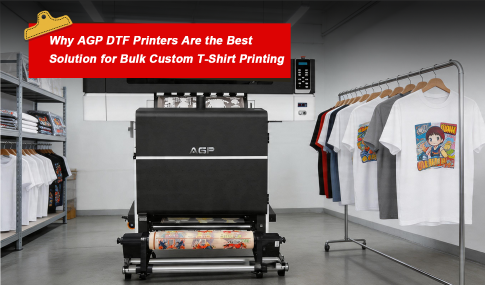
Direct-to-Film (DTF) printing works by printing a design onto a special PET film, applying hot-melt adhesive powder, curing it with heat, and then transferring the design onto fabric using a heat press. The result is a soft, flexible, durable print that becomes part of the garment.
How the DTF process works:
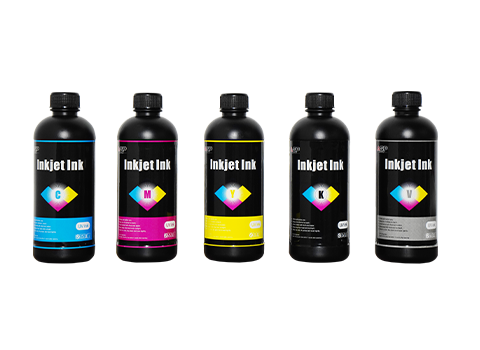
- Design is printed on PET film using CMYK + white ink
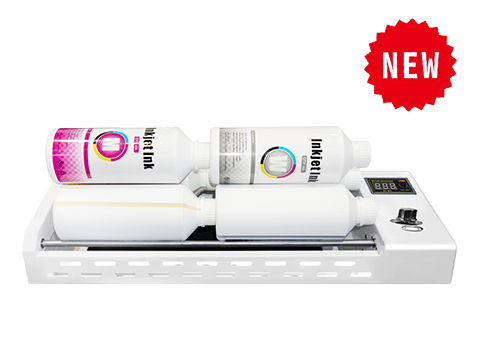
- Hot-melt adhesive powder is applied over the wet ink
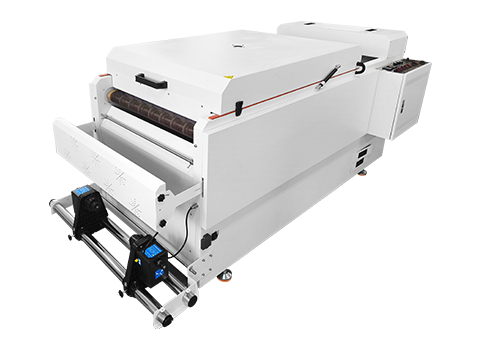
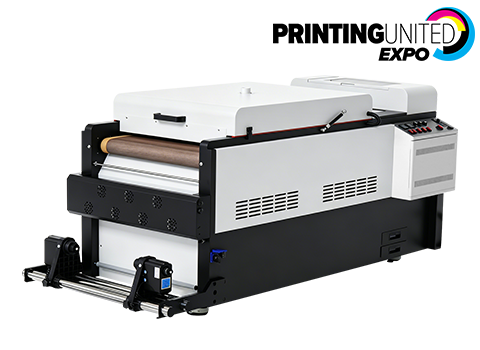
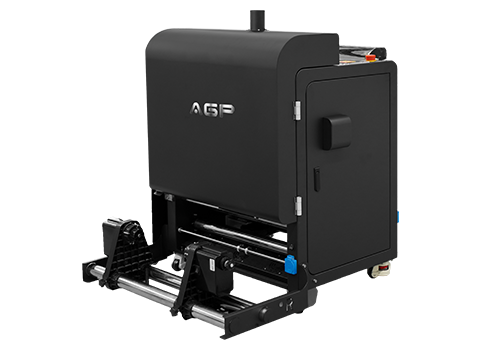
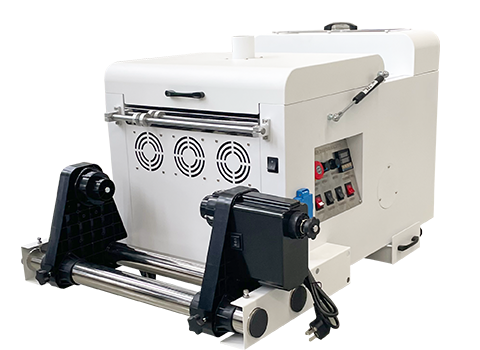
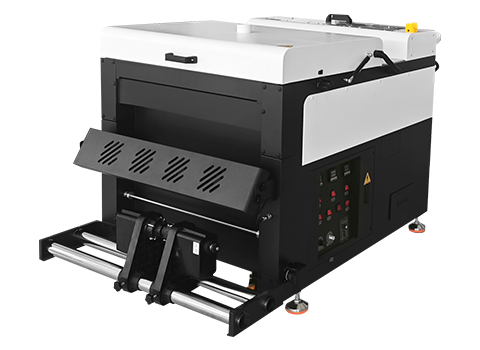
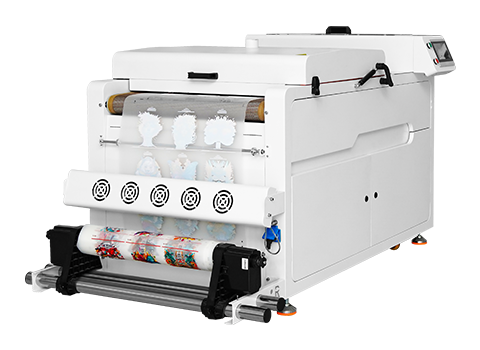
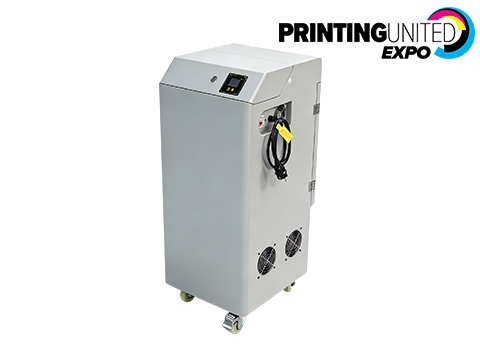
- The film passes through a powder shaker/curing oven to bond the powder
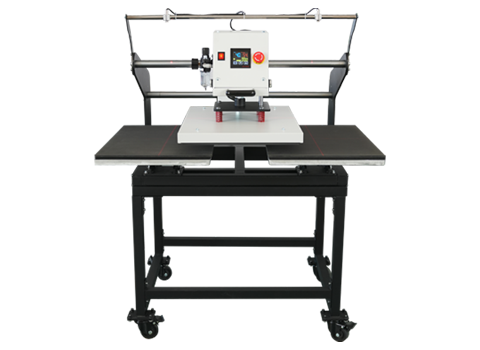
- The cured transfer is pressed onto fabric using a heat press (150–165°C)
- The film is peeled away, leaving a vibrant, wash-durable print
What DTF prints best on:
- T-shirts, hoodies, sweatshirts
- Sportswear, jerseys, and activewear
- Hats, bags, socks, gloves
- Denim, canvas, and mixed-fabric items
- Essentially any textile — cotton, polyester, nylon, blends
Key advantages of DTF:
- No pre-treatment required (unlike DTG printing)
- Works on dark fabrics without special preparation
- Soft hand feel on finished garments
- Excellent wash durability (50+ washes typical)
- Gang sheets allow printing multiple designs in one pass — very cost-efficient
What Is a UV DTF Printer?
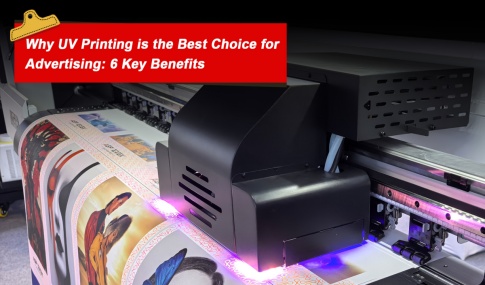
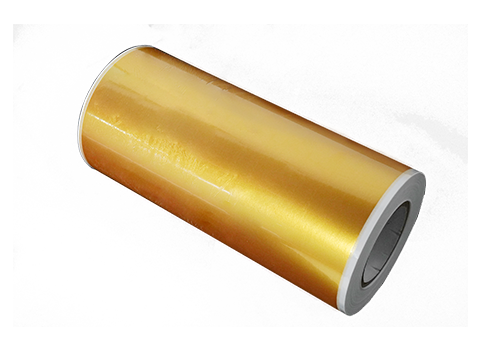
UV DTF (Ultraviolet Direct-to-Film) uses UV-curable inks printed onto a special film. Instead of requiring a heat press and powder, the print is cured instantly by UV LEDs during the printing process. The result is a self-adhesive "crystal label" that can be applied directly to almost any hard surface — no heat, no press, just peel and stick.
How the UV DTF process works:
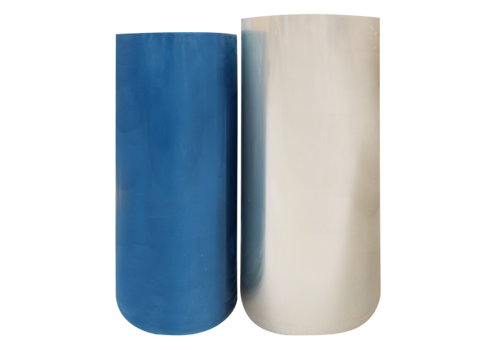
- Design is printed onto AB film using UV inks (CMYK + white + varnish)
- UV LED lamps cure the ink instantly as it prints
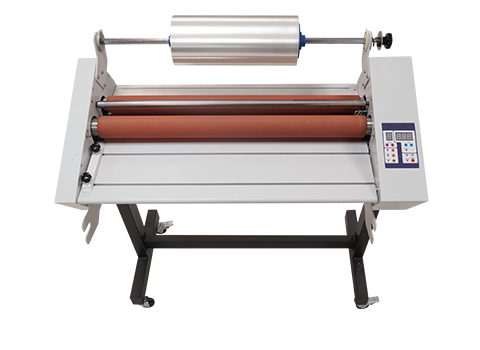
- A laminating film (B film) is applied over the printed A film
- The combined film is peeled apart — the design transfers to the B film as a clear-backed sticker
- Apply directly to any smooth surface by pressing with your hand
What UV DTF prints best on:
- Mugs, tumblers, and drinkware
- Phone cases and electronics accessories
- Metal signage, trophies, and plaques
- Glass bottles, wine glasses, candles
- Wood panels and acrylic gifts
- Ceramic tiles and decorative items
- Basically any smooth, rigid surface
Key advantages of UV DTF:
- No heat press required — dramatically lower barrier to entry
- Instantly peel-and-apply workflow
- Works on curved and irregular surfaces
- High-gloss finish with varnish layer available
- Excellent scratch and water resistance
- No powder shaker needed — simpler setup
Head-to-Head: The 6 Key Differences
1. Substrate Compatibility
This is the most important difference. DTF is for fabric. UV DTF is for hard surfaces.
If your business is T-shirts, hoodies, sportswear, or any textile product, you need a DTF printer. If your business is custom drinkware, signage, phone cases, gifts, or promotional items, UV DTF is your tool.
Many successful print businesses own both — DTF for their apparel line, UV DTF for their accessories and hard goods line.
2. Equipment Required
DTF requires a printer + powder shaker + heat press. UV DTF requires only a printer (UV LEDs are built in) and a laminator for the AB film transfer step. This makes UV DTF slightly simpler to set up, though the printers themselves can carry a higher upfront cost depending on size.
3. Print Speed and Throughput
Both technologies have a range of models from single-head entry-level to multi-head industrial. At comparable price points, DTF printers tend to offer higher sq/m per hour throughput for large-format production. UV DTF printers excel at precision detail work on smaller items.
4. Cost Per Print
For high-volume apparel, DTF is typically more cost-efficient per piece. The gang sheet method (nesting many designs on one film) reduces per-design consumable costs significantly. UV DTF costs are more predictable per label/sticker unit and scale well for small batch custom orders.
5. Durability of Output
DTF prints on fabric are wash-durable and feel like part of the garment. UV DTF labels are scratch-resistant, water-resistant, and UV-stable — excellent for outdoor use, drinkware, and merchandise. Neither is "more durable" in an absolute sense; they're durable in the contexts they're designed for.
6. Market and Selling Price
Custom apparel has a large, established buyer market. A custom T-shirt retails for $18–$35. Custom UV DTF items (personalized tumblers, engraved-look plaques, branded merchandise) often command premium pricing — $25–$60+ per item — because the perceived value of hard goods customization is high.
AGP's DTF Printer Lineup — Which Model Is Right for You?
Entry-Level: AGP DTF-E30
- 1× Epson F1080-A1 printhead
- 300mm print width
- Perfect for: Home studios, side businesses, sampling
- Pair with: D300 powder shaker
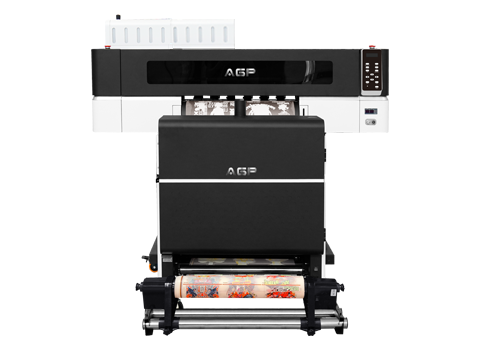
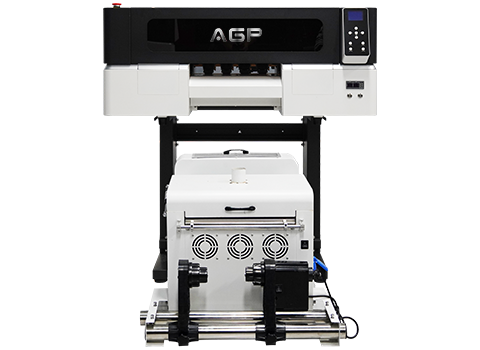
Mid-Range: AGP DTF-T30
- 2 or 3× Epson I1600-A1 printheads
- 300mm print width, fluorescent ink option
- Perfect for: Growing print shops, sportswear businesses
- Pair with: H650E or H650 Pro shaker
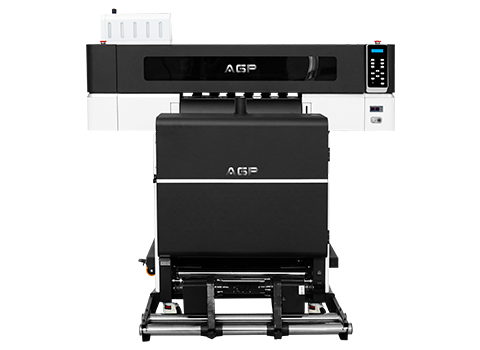
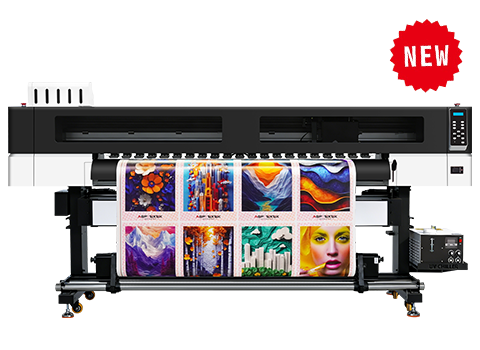
Professional: AGP DTF-T652 / T653 / T654
- 2 / 3 / 4× Epson I3200-A1 printheads
- 600mm print width
- Perfect for: High-volume gang sheet production, B2B transfer sales
- Pair with: H650L or H6505 shaker
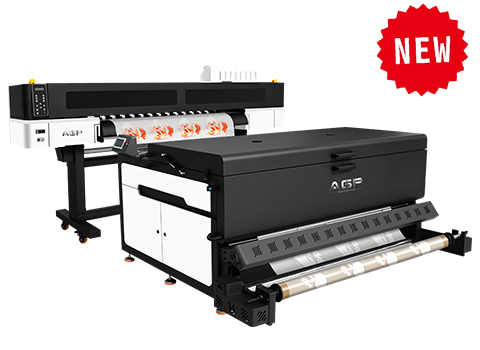
Industrial: AGP DTF-TK1600
- 5 or 6× Epson I3200-A1 printheads
- 1600mm print width, auto ink supply
- Perfect for: Factories, large-scale OEM production
- Pair with: H1600 shaker
AGP's UV DTF Printer Lineup — Which Model Is Right for You?
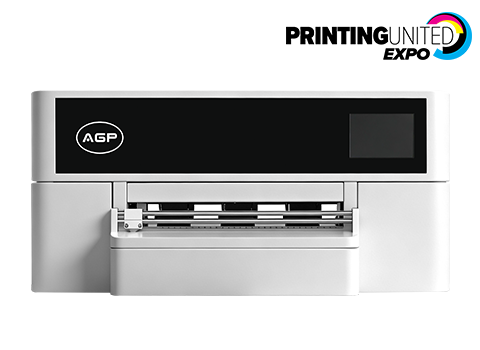
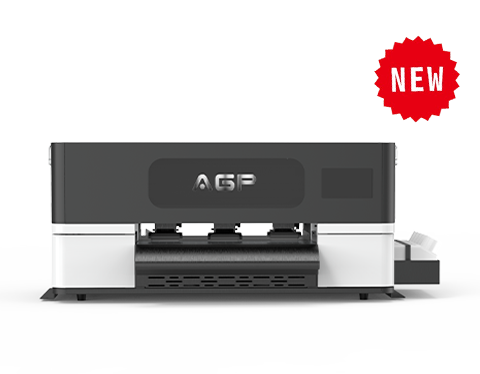
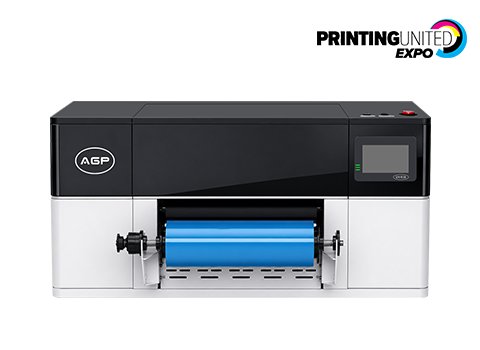
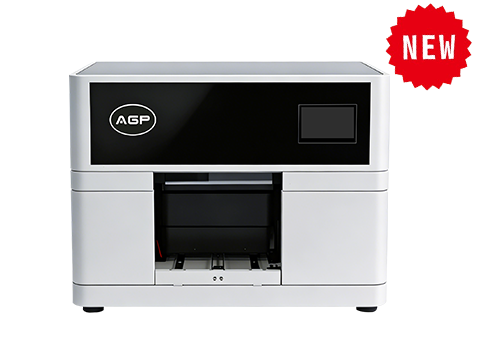
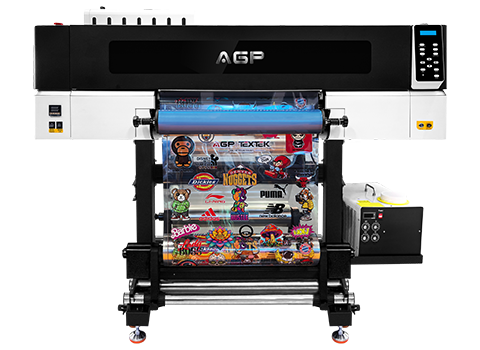
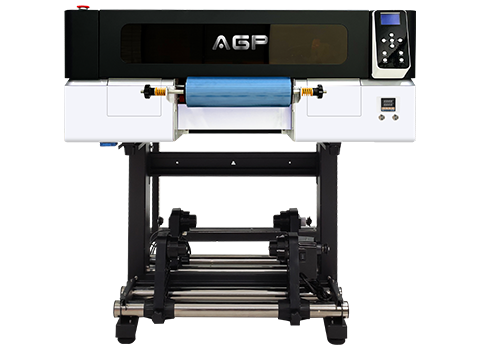
Compact: AGP UV A5
- 1× Epson DX7 or F1080 printhead
- 180×200mm (A5) print area
- Perfect for: Phone cases, small gifts, sampling, studio work
- No powder shaker needed
Mid-Size: AGP UV-S30 / UV6090
- Epson I3200-U1 printhead(s)
- Standard CMYK+W+Varnish configuration
- Perfect for: Custom drinkware, plaques, signage
- UV6090 handles irregular surfaces and curved objects
Professional: AGP UV-S604
- 3 or 4× Epson I3200-U1 printheads
- 600mm print width
- Ink options include gloss varnish and special effect channels
- Perfect for: Commercial UV DTF production, wide-format labels
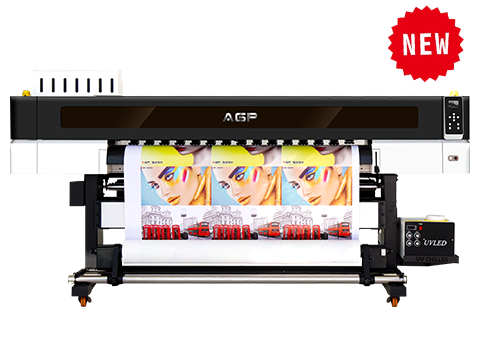
Large Format: AGP UV-S1600 / UV-S1900
- Up to 3× Epson I3200-U1 printheads
- 1600mm or 1850mm print width
- Up to 69.5 m²/h printing speed (UV-S1900)
- Perfect for: Large signage, high-volume commercial UV production
Which Should You Buy First?
Choose DTF if:
- Your core business is clothing, apparel, or textile customization
- You want to sell finished garments (T-shirts, hoodies, hats)
- You want to sell gang sheet transfers to other decorators
- You're entering the custom printing market for the first time
Choose UV DTF if:
- Your business focuses on gifts, promotional items, or drinkware
- You want to add custom labels/stickers to existing products
- You need a simple setup with no heat press
- You serve B2B clients who brand hard-surface merchandise
Choose both if:
- You want to offer a full custom merchandise service (apparel + accessories)
- You're running a print-on-demand business serving multiple verticals
- You want to maximize revenue per customer by offering more product types
Still Not Sure? AGP Can Help You Decide
AGP's team works with customers ranging from one-person home studios to large commercial factories. Whether you're buying your first DTF printer or expanding a production line, we'll help you identify the right machine, the right configuration, and the right consumables for your specific situation — with no upselling and no middleman markup.