
UV DTF vs Sublimation for Tumblers: Which Should You Buy?
AGP BUYING GUIDE
Both methods can put a design on a tumbler. They can't both put a design on any tumbler — and that one difference decides which technology actually fits your product line.
QUICK ANSWER
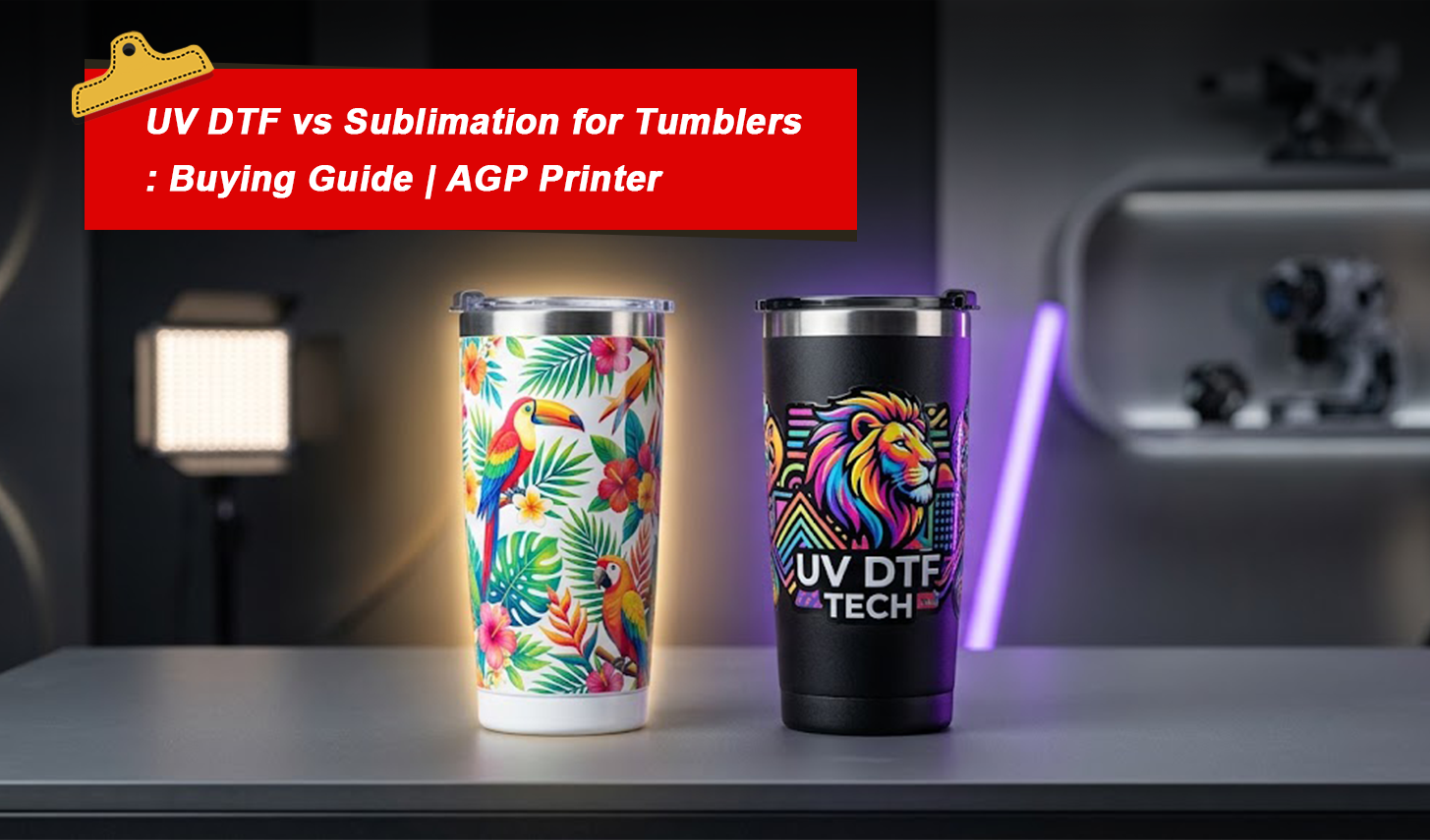
Sublimation only works on white or light-colored, polyester-coated tumblers and needs a heat press at roughly 365°F for 60–90 seconds. UV DTF works on almost any hard surface, any color — steel, glass, powder-coated metal, plastic — with a cold, no-heat-press peel-and-stick application. Choose sublimation for the smoothest possible finish on coated blanks; choose UV DTF for maximum substrate flexibility and dark-color capability.
How Each Process Actually Works
Sublimation prints a design onto special transfer paper using dye-sublimation ink, then uses a heat press to turn that dye into a gas that bonds into a polyester or polymer coating on the tumbler. The paper is peeled away once the tumbler cools, leaving color fused into the surface itself — no texture, no raised layer.
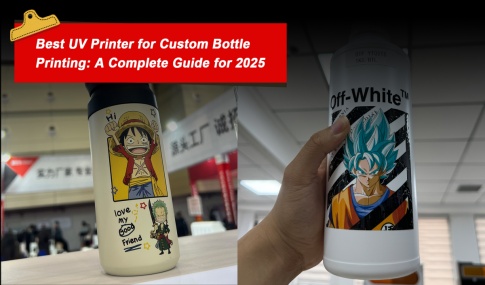
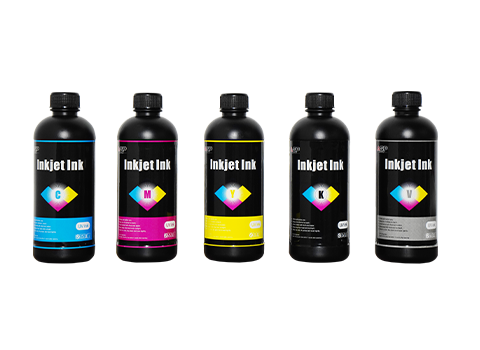
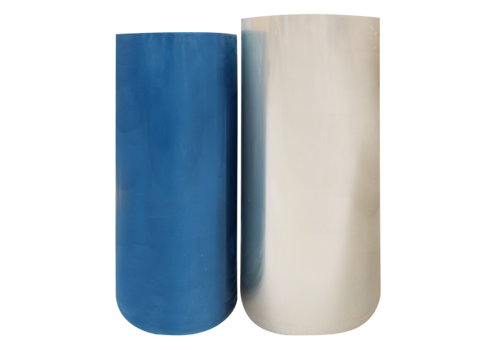
UV DTF prints a design onto a UV DTF film using UV-curable ink, cured instantly under UV light rather than by heat. The printed film is laminated, then applied to the tumbler by hand — peel the backing, press the transfer onto the surface, done. There's no gas-phase bonding; the cured ink layer sits on top of the surface as a durable, slightly raised sticker.
Side-by-Side Comparison
| UV DTF | Sublimation | |
| Substrate compatibility | Almost any hard, non-porous surface, any color | Only polyester/polymer-coated blanks |
| Dark or colored tumblers | Yes — white ink base supports true color on dark surfaces | No — no white ink, colors blend into dark backgrounds |
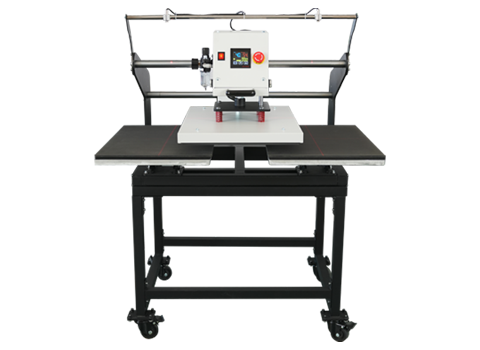
| Application method | Cold peel-and-stick, no heat press | Heat press, ~365°F for 60–90 seconds |
| Finish and feel | Slightly raised, glossy, embossed texture | Smooth, seamless, fused into the surface |
| Common failure risk | Edge lifting if applied to a dirty or curved surface incorrectly | Ghosting or dull spots from uneven heat/pressure |
| Blank sourcing | Any tumbler from any supplier | Must be a certified "sublimation blank" |
Why Substrate Compatibility Is the Real Deciding Factor
Sublimation dye needs a polyester or polymer coating to gasify into — that's not a preference, it's a chemistry requirement. An uncoated stainless steel tumbler, a powder-coated metal bottle, or a dark-colored blank simply won't take sublimation ink properly, which is why sublimation blanks are a specific (and often pricier) category of product you have to source correctly.
UV DTF sidesteps that requirement entirely. Because the design cures on a film first and gets applied as a transfer, it doesn't need the tumbler itself to have any special coating. That means you can buy tumblers from virtually any wholesaler — including dark, textured, or powder-coated ones — without checking for sublimation compatibility first.
Equipment and Cost Comparison
| UV DTF setup | UV DTF printer + UV ink + AB film — no heat press needed |
| Sublimation setup | Sublimation printer + sublimation ink + transfer paper + heat press |
| Blank cost | UV DTF: any tumbler, often lower cost at volume |
| Blank cost | Sublimation: certified blanks only, typically pricier per unit |
| Upfront equipment cost | UV DTF generally higher upfront, lower blank flexibility cost over time |
Which Should You Choose?
Choose UV DTF if: you want to sell tumblers in any color or finish, source blanks from any supplier without checking coating specs, skip the heat press entirely, or plan to expand into other hard goods like phone cases, keychains, or signage using the same printer.
Choose sublimation if: your product line is built around white or light-colored coated tumblers, you want the smoothest possible seamless finish with zero surface texture, and you already have (or are comfortable managing) a heat press workflow.
Many shops that scale past a certain volume end up running both — sublimation for photo-quality wraps on coated blanks, UV DTF for everything else the sublimation workflow can't touch.
Frequently Asked Questions
Q: Can UV DTF be used on any tumbler?
A: Yes — UV DTF transfers work on virtually any hard, non-porous surface regardless of color or coating, including stainless steel, powder-coated metal, glass, and plastic tumblers bought from any supplier.
Q: Why does sublimation only work on certain tumblers?
A: Sublimation dye needs a polyester or polymer coating to bond with under heat. Uncoated metal, glass, or dark-colored blanks won't hold sublimation ink, which is why sublimation requires specially manufactured "sublimation blanks."
Q: Which method looks more premium on a tumbler?
A: It depends on the look you want. Sublimation produces a smooth, seamless finish that feels like part of the tumbler. UV DTF produces a slightly raised, glossy, embossed finish that feels more like a durable sticker.
Q: Do I need a heat press for UV DTF tumblers?
A: No. UV DTF transfers are applied cold — you peel and press the transfer onto the surface by hand or with a squeegee. Sublimation requires a heat press reaching roughly 365°F (185°C) for 60–90 seconds.
Q: Which is cheaper to start: UV DTF or sublimation for tumblers?
A: Sublimation typically has a lower upfront equipment cost but requires ongoing purchases of specific coated blanks. UV DTF printers cost more upfront but let you use tumblers from any supplier, which can lower per-unit blank costs at volume.
Q: Can sublimation print on dark or black tumblers?
A: No. Sublimation has no white ink, so designs printed on dark surfaces blend into the background color instead of showing true colors. UV DTF uses a white ink base and works on dark and colored tumblers.
Conclusion
Sublimation and UV DTF aren't competing for the same job — they're solving different substrate problems. Sublimation wins on finish quality when you're locked into coated, light-colored blanks. UV DTF wins on flexibility, letting you print on virtually anything, in any color, without a heat press. If your tumbler business needs to say yes to whatever surface a customer brings you, UV DTF is the technology built for that answer.
Ready to Print on Any Tumbler, Any Color?
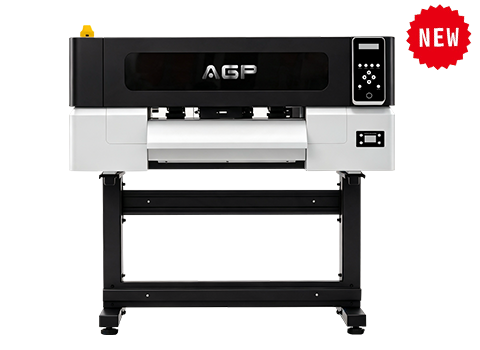
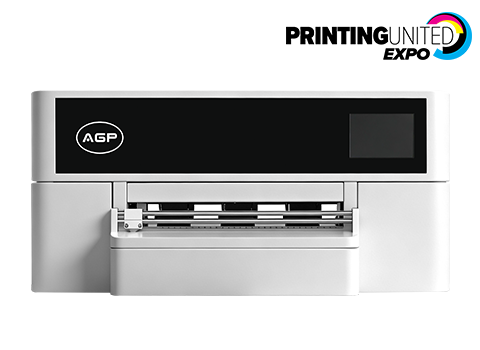
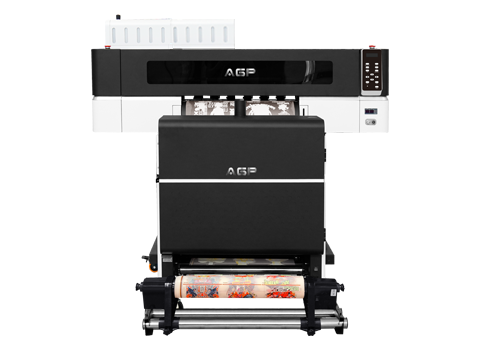
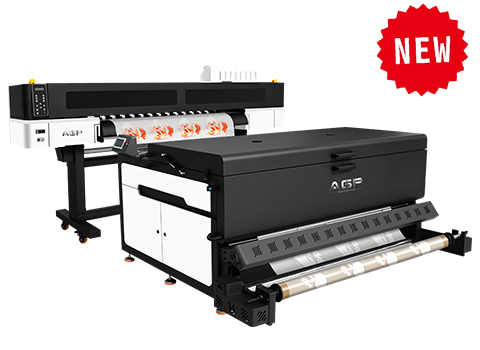
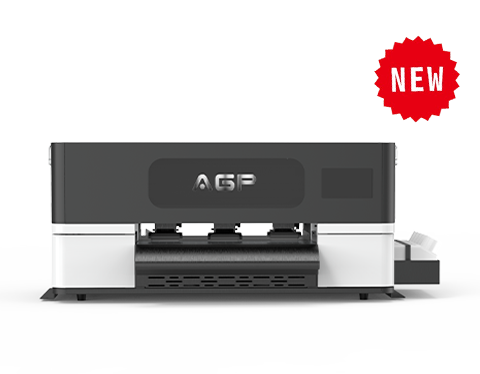
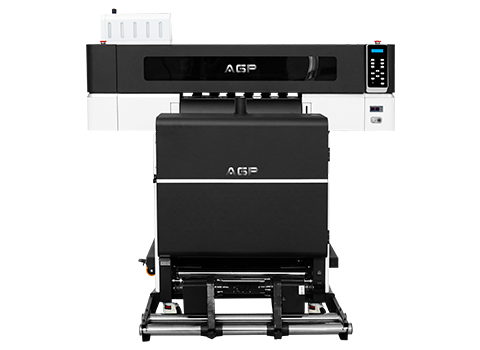
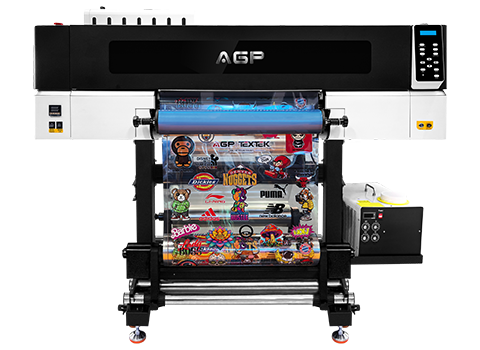
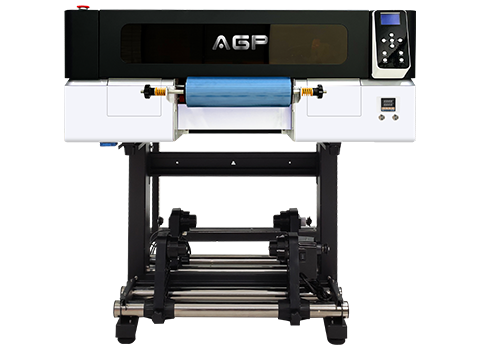
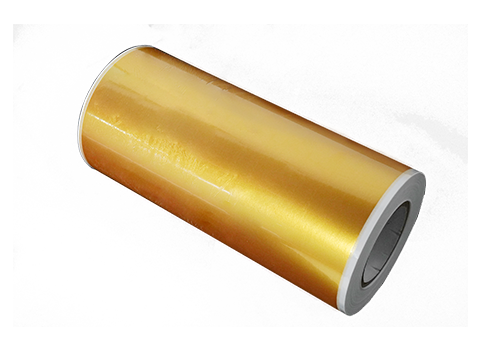
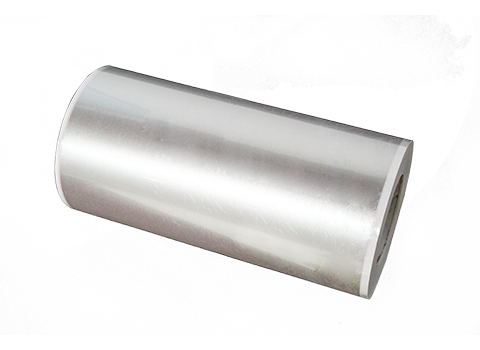
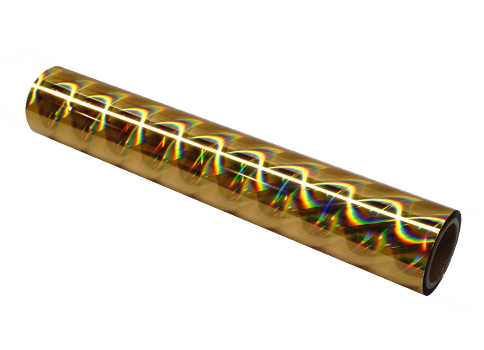
AGP UV DTF printers pair with a full range of UV DTF film — including gold, silver, and holographic glitter finishes — so you're never limited by coated blanks again.
Shop AGP UV DTF Printers →