
DTF Printhead Clogging: The Real Cost — and How Moisture Management Fixes It
If you're a distributor or reseller in the custom apparel printing space, you already know how competitive this industry is. Your clients are running print shops, garment decoration studios, and on-demand fulfillment businesses — and the last thing any of them can afford is unexpected downtime. The number one cause of that downtime? Printhead clogging in DTF printers. And the number one cause of printhead clogging? Dried ink.
That's exactly why DTF printer moisture management has become one of the most important differentiators in today's printer market. If you're recommending equipment to clients, understanding how moisture control works — and why it matters — can directly influence your sales, your client retention, and your reputation as a trusted partner.
What Is DTF Printer Moisture Management — and Why Does It Matter?
DTF printer moisture management refers to a set of built-in automated systems designed to keep a printer's nozzles hydrated and protected during idle periods. Rather than relying on the operator to manually clean and prime the printhead every time the machine sits unused, these systems take over automatically.
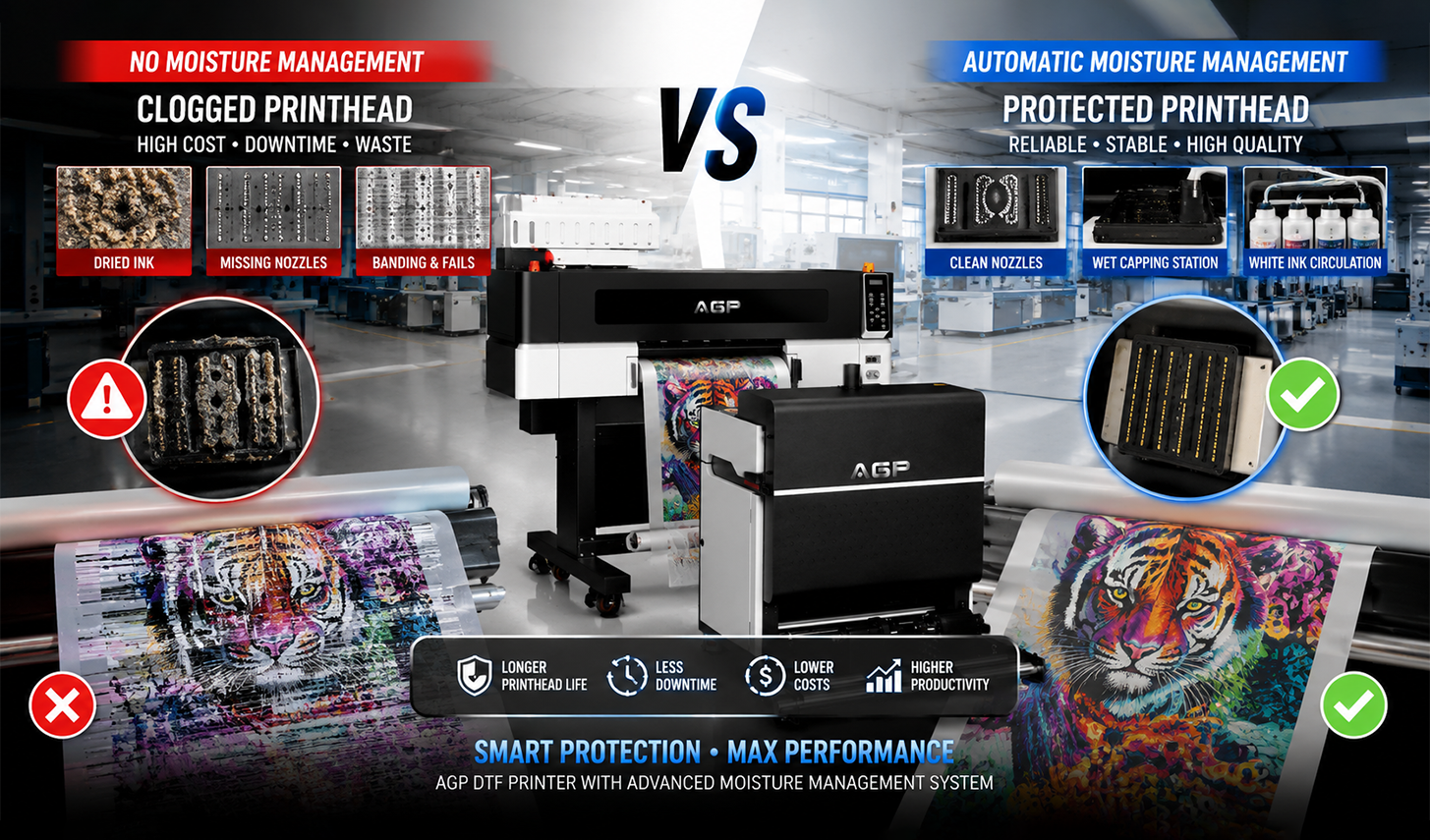
Think about it from your client's perspective. A print shop might run a big job in the morning, then leave the machine idle for a few hours during lunch or between orders. Without any moisture control, that idle time is enough for DTF ink drying to start happening inside the nozzles. Once the ink dries and solidifies, you're looking at blockages, banding, color dropouts — and potentially a damaged printhead that needs replacing.
With proper moisture management in place, the printer actively protects itself. That's a shift from reactive firefighting to proactive machine care, and it's a selling point your clients will immediately understand.
Why Do DTF Printheads Clog? Understanding the Root Causes
Before we get into the solutions, let's talk about why printhead clogging prevention is such a persistent challenge in this industry.
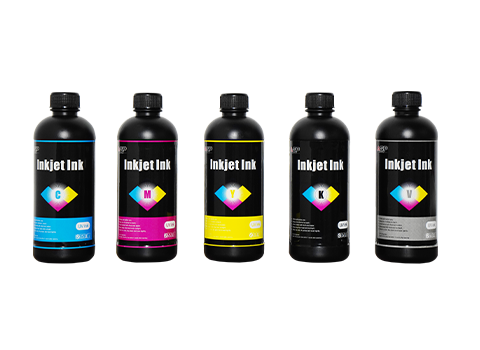
DTF printing relies on pigment-based DTF ink — a formulation chosen specifically for its vivid colors and high opacity on fabric. But those same properties make the ink quick to dry when it's exposed to air. Unlike dye-based inks that stay fluid longer, pigment inks can start to crust over in the nozzles surprisingly fast.
Here are the main culprits behind clogged printheads:
Idle Time: Even leaving a printer unused overnight can lead to blocked nozzles. In a shop that doesn't run 24/7, this happens constantly.
Low Humidity Environments: Dry climates or air-conditioned rooms accelerate DTF ink drying significantly. Many print shops don't think about ambient humidity until they already have a problem.
White Ink Sedimentation: White ink is notorious for settling and separating when not in use. Without a proper white ink circulation system, it clogs faster than any other color channel.
Skipping Maintenance Protocols: In high-pressure production environments, operators sometimes skip routine cleaning steps to save time. Over time, that shortcut becomes an expensive mistake.
Environmental Heat: Printing rooms that get warm in summer can speed up ink evaporation in the nozzles dramatically.
When you combine even two or three of these factors, the risk of a clogged DTF printhead spikes fast. And once a printhead is fully clogged, standard cleaning cycles often can't fix it — leaving replacement as the only option.
The Hidden Costs of Ignoring DTF Ink Drying and Nozzle Blockage
Your clients might not think about moisture control when they're shopping for a printer. But as a distributor, it's your job to help them see the full picture. The costs associated with poor nozzle protection go well beyond the price of a replacement printhead.
Unplanned Downtime: A clogged printer can shut down production for hours or even days while parts are sourced and replaced. In a business that runs on tight turnaround times, that's a serious problem.
Wasted Consumables: Every failed print run burns through ink, DTF transfer film, and hot melt powder. These consumables add up quickly, and none of it generates revenue.
Rework and Reprints: Banding and color dropouts mean jobs need to be reprinted. That means double the material cost and extra labor — often with an unhappy client waiting on the other end.
Higher Labor Costs: Without automated DTF printer maintenance systems, operators spend significant time on manual deep cleanings. That's time not spent on production.
Damage to Client Relationships: Missed deadlines hurt repeat business. If a shop regularly delivers late or low-quality work due to equipment issues, clients will look elsewhere.
When you present moisture management not as a feature but as a cost-avoidance strategy, the value proposition becomes much clearer for buyers.
How Automated Wet Capping Stations Work in Modern DTF Printers
So what exactly does a moisture management system do under the hood? The core component is the wet capping station — a mechanism that physically seals the printhead when the machine enters idle mode.
Here's how it works in practice:
When the printer detects it hasn't received a print command for a set period of time, the printhead carriage moves to the capping position. The wet cap then closes over the nozzle plate, creating a sealed, humidified environment around the nozzle tips. Inside that seal, a small amount of hydration fluid keeps the ink from drying out.
This automatic nozzle hydration process happens without any operator input. The machine handles it on its own, whether the shop is closed for the night or just pausing between jobs.
Some advanced systems also run micro-purge cycles during extended idle periods — essentially pulsing a tiny amount of ink through the nozzles to prevent any settling. This is especially useful for white ink circulation, since white pigment is the most prone to sedimentation.
The result? When the operator comes back to the machine and starts a new job, the printheads are still primed and ready. No long warm-up cleanings, no test prints to check for gaps, no wasted film.
DTF Printer Moisture Management vs. Traditional Manual Cleaning: What's the Difference?
Many mid-range printers on the market still rely entirely on manual maintenance routines. Operators are expected to run daily cleaning cycles, flush the heads before long breaks, and cap the machine by hand when it's not in use. In theory, this works fine. In practice, it's inconsistent.
People forget. Shifts change. Someone leaves the machine running overnight without capping it. A new employee doesn't know the procedure yet. Any one of these scenarios can lead to clogged nozzles and DTF printing downtime reduction going out the window.
Automated moisture management removes the human variable. The system is always on, always consistent, and doesn't rely on anyone remembering to do the right thing at the right time. For high-volume production environments — exactly the kind your distributor clients are running or aspiring to — that consistency is invaluable.
It also reduces the frequency of deep cleaning cycles, which saves ink. Every cleaning cycle purges a small amount of ink through the heads. Over weeks and months, that adds up to a meaningful consumable cost.
Which AGP DTF Printers Feature Advanced Moisture Protection?
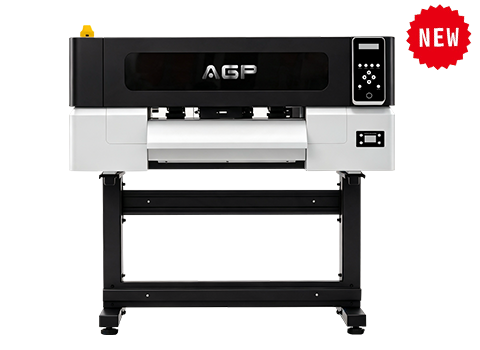
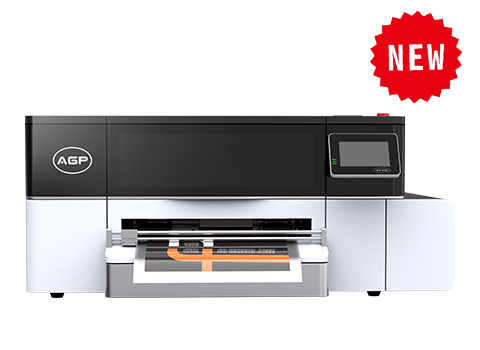
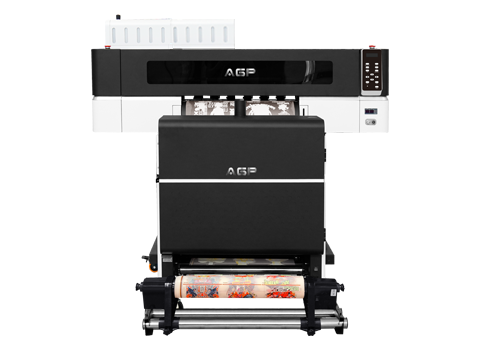
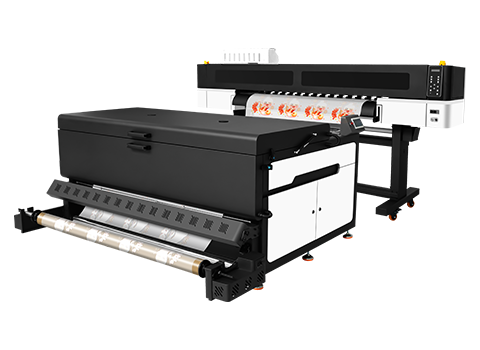
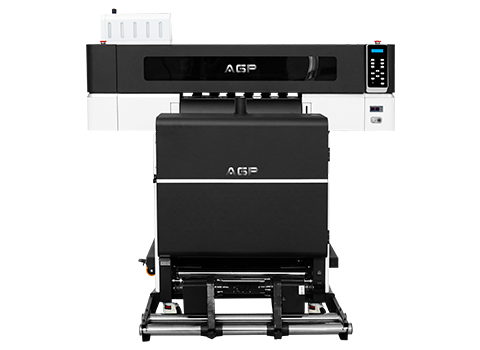
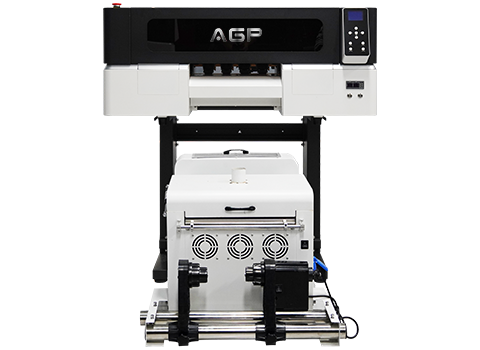
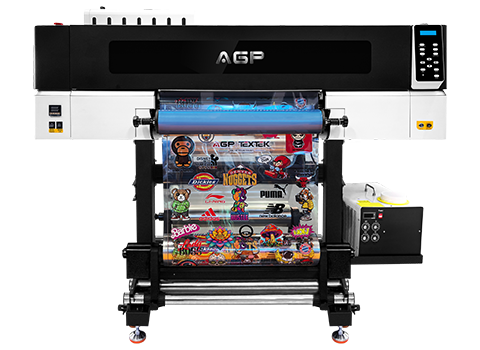
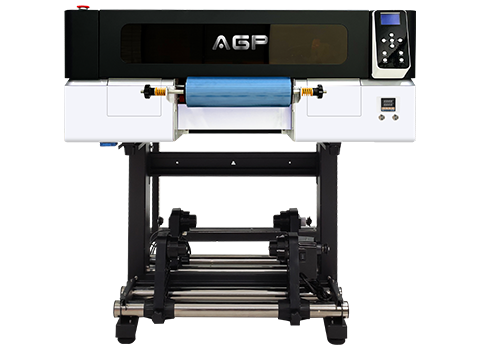
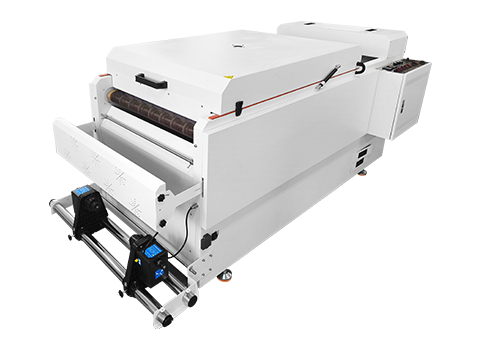
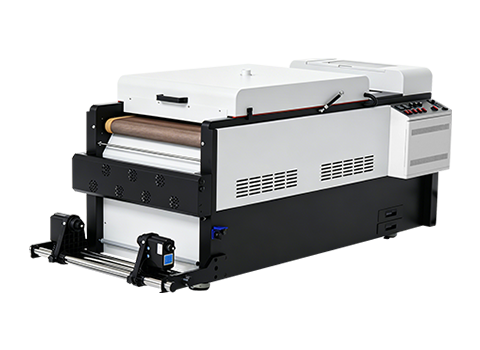
As a distributor working with AGP, you have access to a strong lineup of DTF printers built with reliability and operator convenience at the core. Here's a look at some of the key models worth highlighting to your clients:
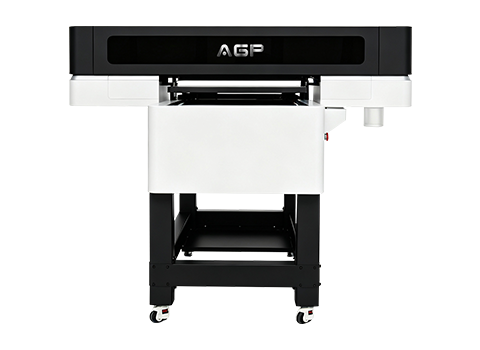
AGP DTF-T656 — A 600mm production printer powered by Epson I3200-A1 printheads (5 or 6 heads), this model is built for shops that run high volumes. Its robust ink supply system supports stable output and reduced printhead nozzle protection demands during idle periods.
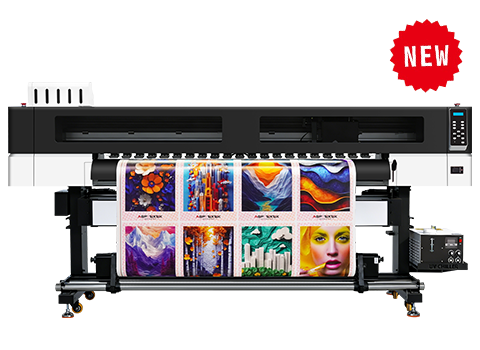
AGP DTF-TK1600 — Running at 1600mm print width, this is one of AGP's flagship wide-format DTF options. It includes an auto ink supply system with white ink circulating and stirring built in — a direct answer to the white ink sedimentation problem. Ideal for distributors targeting industrial-scale apparel decorators.
AGP DTF-T652/653/654 — A flexible 600mm series with 2, 3, or 4 Epson I3200-A1 heads. The auto-feeding and take-up system keeps production flowing smoothly, while the multi-head configuration supports consistent ink delivery across channels.
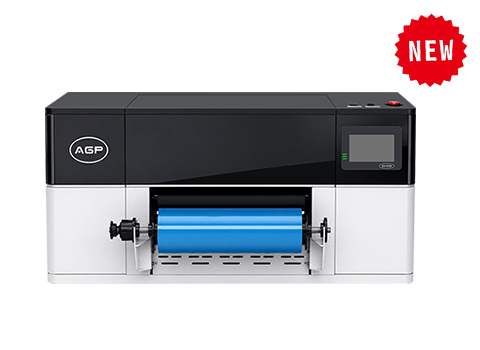
AGP DTF-T30 — A compact 300mm printer with 2 or 3 Epson I1600-A1 printheads. Supports CMYK+W and specialty fluorescent channels. A great entry-to-mid-level option for clients who want reliable output without the footprint of a larger machine.
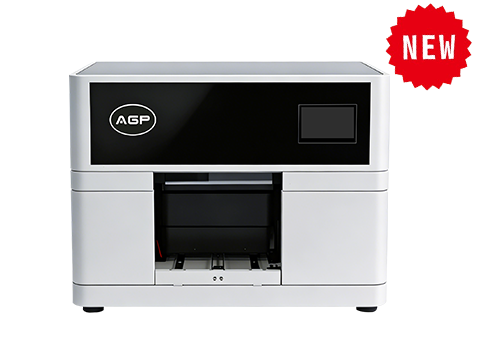
AGP DTF-E30 — Powered by the Epson F1080-A1 printhead, this 300mm machine is a strong starter option for smaller shops. Clean, straightforward operation with Windows 10/11 compatibility.
AGP DTF-E30 T — The upgraded variant of the E30, adding enhanced functionality for shops looking to grow.
When presenting these machines to potential buyers, emphasize the integrated ink management systems — particularly the white ink circulation features on the higher-end models. These directly address the most common causes of DTF printer maintenance headaches.
Best Practices for Distributors: How to Sell the Value of Moisture Management to Your Clients
Understanding the technology is one thing. Communicating its value to a busy print shop owner is another. Here are some practical approaches:
Lead with the cost of downtime, not the feature itself. Ask your client: "How much does it cost your business if your printer goes down for two days?" Then show them how automated moisture management reduces that risk.
Use the consumables math. Walk them through how many cleaning cycles their current machine runs per week, multiply by ink usage per cycle, and show them the annual savings from a system that needs far fewer manual cleanings.
Talk about DTF printhead lifespan. Printheads are expensive. A printer that extends head life through proper automatic nozzle hydration pays for itself in reduced replacement costs over time.
Highlight the operator consistency benefit. For shops with multiple staff members or high turnover, automated systems mean quality doesn't depend on who's working that day.
Position it as a premium offering. Not every printer on the market has this technology. When you're competing against cheaper alternatives, built-in moisture management is a genuine differentiator — and one that sophisticated buyers will recognize and value.
Final Thoughts
DTF printer moisture management isn't just a nice-to-have feature — it's quickly becoming a baseline expectation for any serious production environment. As a distributor, being able to speak confidently about printhead clogging prevention, wet capping stations, and the true cost of DTF printing downtime positions you as a knowledgeable partner, not just a box-mover.
AGP's DTF printer lineup gives you solid ground to stand on. From the entry-level DTF-E30 to the wide-format DTF-TK1600, there's a machine for every client profile — all backed by a manufacturer with 20+ years of experience, strong R&D, and a global distributor network.
Ready to learn more about AGP's full product range and distributor programs? Visit www.agoodprinter.com or reach out directly via WhatsApp at +86 177 4040 5829.