
DTF Printing vs Digital Printing: Which Technology Fits Modern Custom Apparel Business?
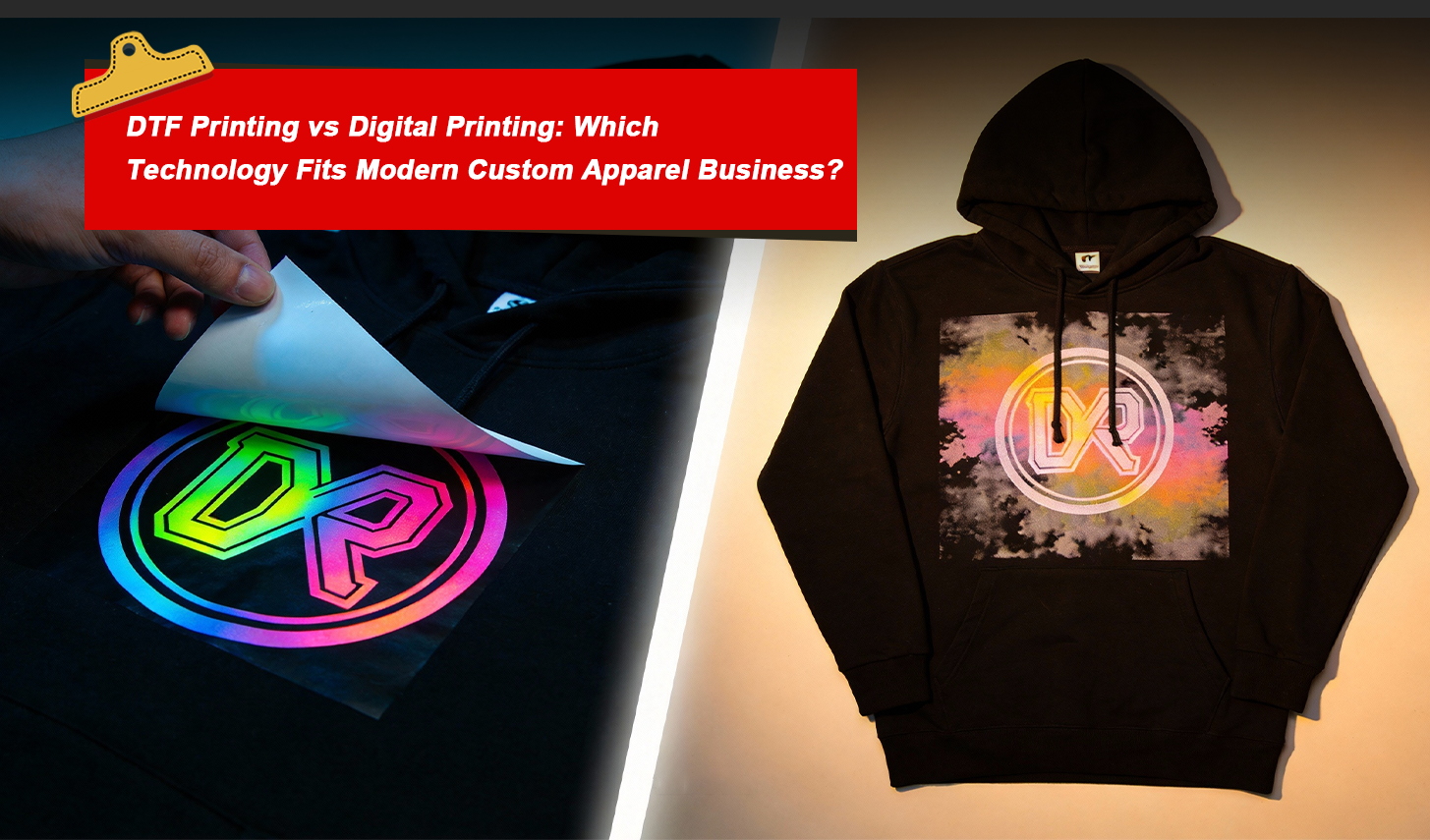
In today’s custom printing market, choosing the right technology can directly influence production efficiency, product quality, and long-term profitability. Among the most discussed solutions, DTF printing and digital printing are often compared by apparel brands, print shops, and customization businesses.
Although both methods fall under the digital printing umbrella, they serve very different production needs. Understanding how DTF printing technology differs from traditional digital printing methods helps businesses avoid costly mistakes and select the right solution for scaling.
This article breaks down the differences from a practical, production-focused perspective.
What Is DTF Printing and How the Process Works
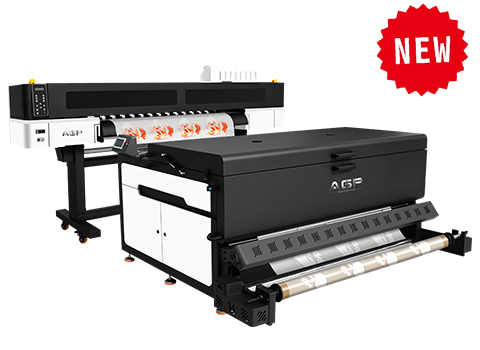
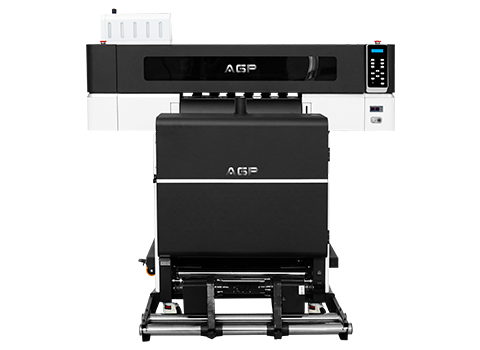
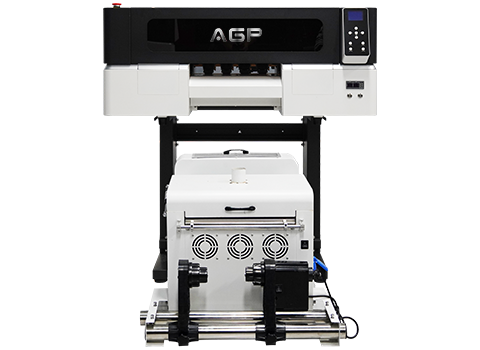
DTF printing (Direct to Film printing) is a textile-focused printing technology designed to transfer full-color graphics onto fabric using a film-based workflow.
The standard DTF printing process includes several steps:
-
Creating the artwork digitally
-
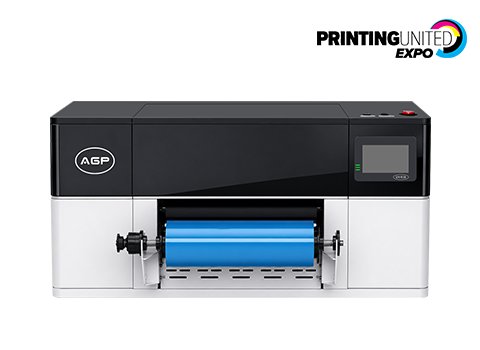
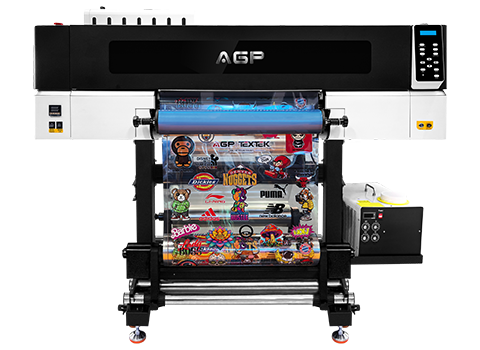
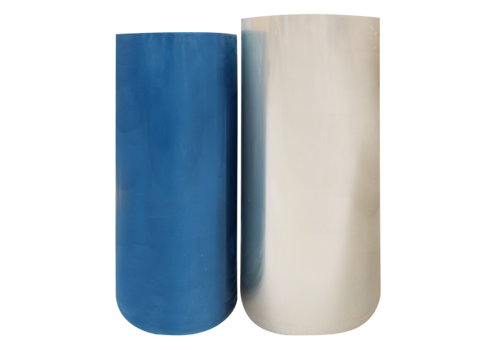
Printing the design onto DTF PET film using a DTF printer
-
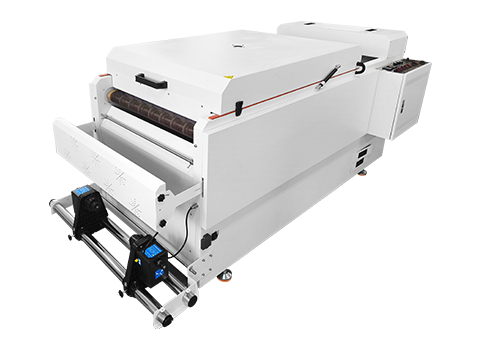
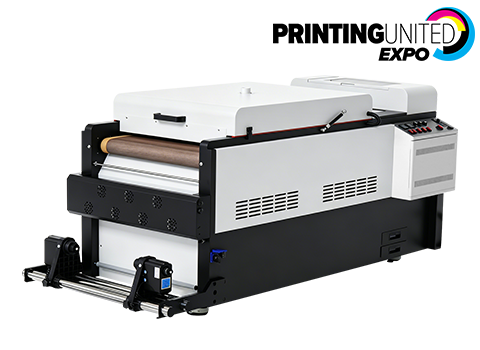
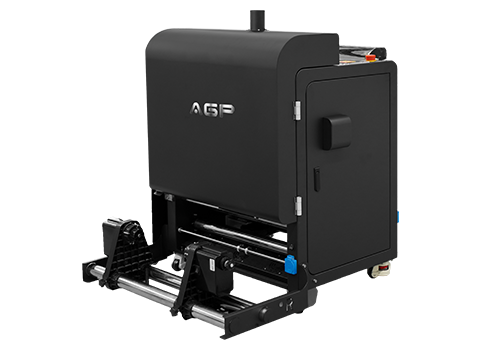
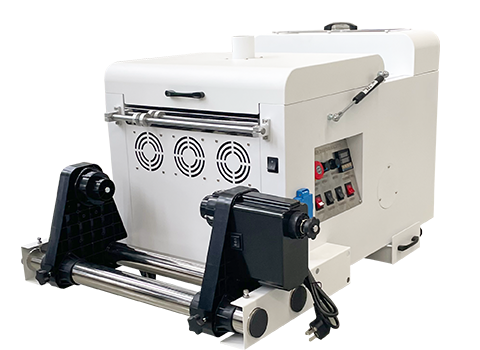
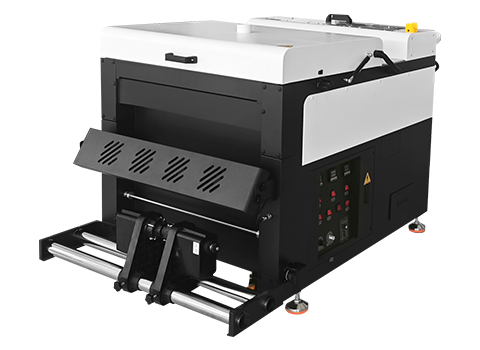
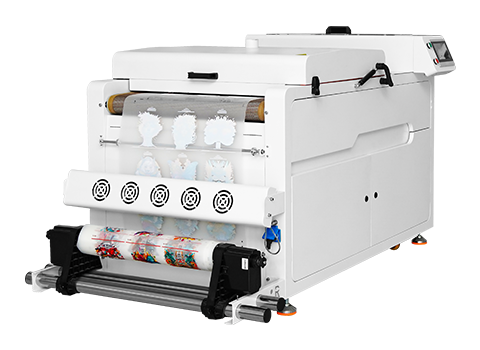
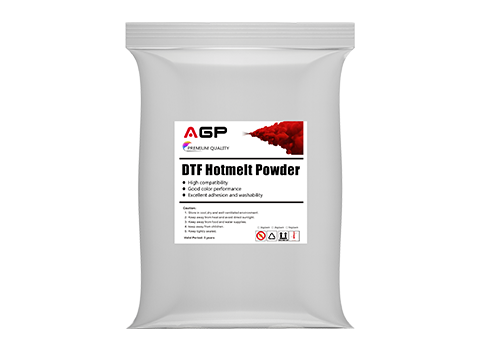
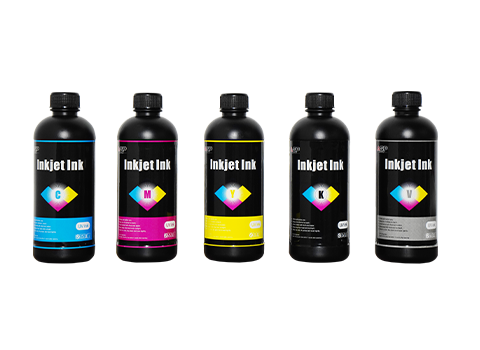
Applying hot-melt adhesive powder
-
Curing the printed film
-
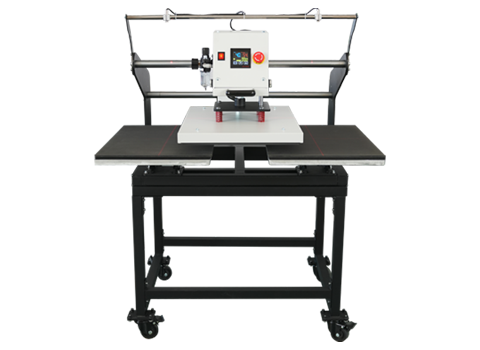
Transferring the design onto fabric with a heat press machine
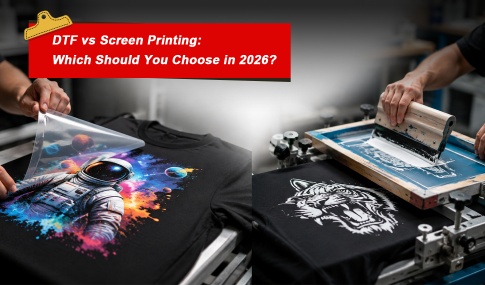
Unlike DTG or sublimation printing, DTF printing does not require fabric pretreatment and works on both light and dark textiles. This makes it one of the most flexible custom apparel printing solutions currently available.
Key Advantages of DTF Printing for Apparel and Textile Businesses
Exceptional Fabric Compatibility
One of the strongest advantages of DTF printing is its ability to work on almost all fabric types. Cotton, polyester, blends, nylon, denim, and even leather can all be printed using DTF transfer technology.
For businesses offering diverse product lines, this fabric compatibility significantly reduces production limitations.
No Pretreatment Required
Traditional DTG printing often requires pretreatment chemicals, especially for dark garments. DTF printing eliminates this step, helping businesses save time, labor, and material costs while maintaining consistent print quality.
Strong Color Performance
DTF printing is known for its vibrant colors and high opacity, especially on dark fabrics. White ink is applied as a solid base layer, ensuring sharp contrast and accurate color reproduction.
This makes DTF printing ideal for logos, illustrations, and complex multi-color graphics.
Excellent Wash Durability
With proper curing, DTF transfers demonstrate strong resistance to washing, stretching, and daily wear. The adhesive layer bonds firmly with fabric fibers, making DTF prints suitable for commercial apparel production.
Limitations of DTF Printing You Should Know
Despite its advantages, DTF printing is not without drawbacks.
Material and Consumable Costs
Compared with basic digital printers, DTF printing equipment, PET films, adhesive powders, and white ink increase operational costs. However, these costs are often offset by broader application flexibility and reduced labor.
Print Texture and Breathability
Because DTF printing applies ink on top of the fabric surface, finished prints may feel slightly thicker compared with sublimation or dye-based digital printing. For lightweight fashion garments, this texture may not suit all customer preferences.
What Is Digital Printing and Its Common Applications
Digital printing is a broad term covering multiple technologies that transfer digital images directly onto substrates. These include:
-
Sublimation printing
-
DTG (Direct to Garment) printing
-
Inkjet printing on paper or media
-
UV digital printing
Digital printing is widely used across industries such as advertising, packaging, publishing, signage, and promotional products.
Strengths of Digital Printing in Commercial Production
Simple Workflow
Digital printing typically involves fewer processing steps, making it easier for beginners and small operations. Many digital printers are designed for plug-and-play operation with minimal technical adjustment.
High Image Resolution
For paper, canvas, and smooth substrates, digital printing delivers sharp details and high-definition output. This makes it suitable for posters, photo printing, labels, and graphic artwork.
Broad Substrate Range
Digital printing supports a wide range of non-textile materials, including paper, vinyl, plastic, metal, and coated surfaces. Businesses serving multiple industries benefit from this flexibility.
Drawbacks of Digital Printing Compared with DTF Printing
Limited Fabric Compatibility
When it comes to textile applications, digital printing methods such as DTG work best on 100% cotton fabrics. Printing on polyester or dark garments often requires pretreatment or yields less consistent results.
Color Saturation on Dark Fabrics
Compared with DTF printing, digital printing may struggle to achieve strong color vibrancy on dark textiles, especially without thick white ink layers.
Lower Durability on Apparel
Digital prints on garments can fade or crack after repeated washing if not properly processed. This limits their suitability for long-term apparel use.
DTF Printing vs Digital Printing: Side-by-Side Comparison
Print Quality
DTF printing excels in color saturation and opacity on fabrics, while digital printing provides higher resolution on flat, non-textile surfaces.
Versatility
For apparel and textile businesses, DTF printing offers unmatched flexibility. Digital printing, however, remains more versatile for paper-based and rigid materials.
Ease of Operation
Digital printing is generally easier to operate, while DTF printing involves additional steps such as powdering and curing.
Durability
DTF prints typically outperform digital prints in wash resistance and long-term garment durability.
Which Printing Method Is Better for Your Business?
There is no single “better” technology—only the right solution for your production goals.
Choose DTF printing if your business focuses on:
-
Custom apparel printing
-
Textile transfers
-
Small-batch or on-demand garment production
-
Multi-fabric compatibility
Choose digital printing if your main products include:
-
Paper prints
-
Posters and signage
-
Promotional materials
-
High-resolution graphic output on rigid substrates
For apparel-focused businesses, DTF printing technology continues to gain market share due to its flexibility, durability, and cost efficiency at scale.
Final Thoughts
As customization demand grows, understanding the difference between DTF printing and digital printing is critical for long-term business planning. Each technology serves a different purpose, and selecting the right one can directly impact profitability and customer satisfaction.
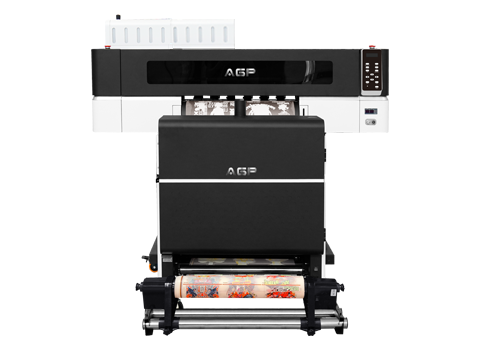
AGP provides a complete range of DTF printers, consumables, and technical support to help printing businesses scale efficiently. If you are planning to expand into textile customization, DTF printing is worth serious consideration.