

DTF or Sublimation: Which Printing Method Lasts Longer on Fabric?
Quick Answer: On polyester fabric, sublimation lasts longer — the dye becomes part of the fiber, so it won't crack or peel and can outlast the garment itself. On cotton, blends, or dark fabrics, DTF is the more durable choice simply because sublimation doesn't work reliably there at all — quality DTF prints typically hold up for 50–100+ wash cycles. The "winner" depends on which fabric you're printing on, not just which method is technically stronger.
When it comes to custom apparel, durability is just as important as print quality. Two of the most prominent printing technologies today — sublimation and DTF (Direct-to-Film) printing — offer striking visuals, but which one truly stands the test of time? This guide compares their longevity and performance so you can make an informed choice for your business or personal projects.
What Is Sublimation Printing?
Sublimation printing is a heat-based process where solid dye turns into gas and embeds itself directly into the fibers of polyester materials. The result is a vivid, seamless image that becomes part of the fabric itself. Since the ink is absorbed below the surface, there's no added texture — the print feels exactly like the fabric.
Best for: white or light-colored polyester garments, designs needing a soft no-feel finish, and high-resolution, photo-quality prints.
What Is DTF Printing?
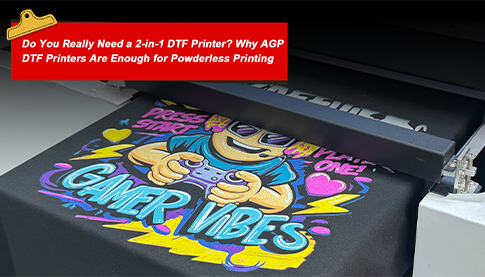
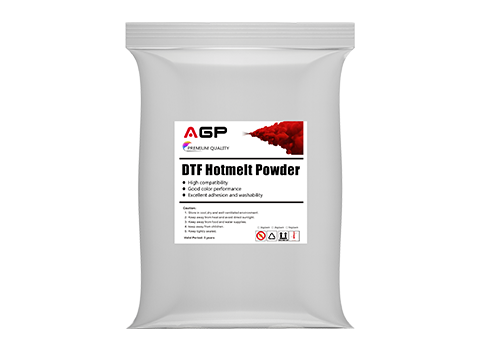
DTF printing involves transferring an image onto a special PET film using pigment inks, then applying a heat-activated adhesive powder before pressing it onto the garment. This results in a slightly raised, vibrant print that works on nearly any fabric.
Best for: cotton, polyester, blends, nylon, and other mixed fabrics; dark-colored or vibrant base materials; and projects that need flexibility across many product types.
Which Method Has Better Wash Resistance — DTF or Sublimation?
On polyester, sublimation is exceptionally wash-resistant: because the dye is bonded into the fiber itself, there is no surface layer to wear away, and prints commonly withstand 100+ wash cycles with minimal fading when cared for properly (cool water, low heat drying).
DTF prints, when produced with quality ink, powder, and correct heat press settings, typically hold up for 50–100+ wash cycles. Since the print sits on top of the fabric, its long-term wash resistance depends more heavily on production quality than sublimation does.
Does DTF Crack or Peel Over Time? Does Sublimation?
Sublimation: No risk of cracking or peeling — the ink is part of the fabric, not a layer on top of it.
DTF: Because the print sits on the surface, poor-quality adhesive powder, under-curing, or excessive stretching can eventually cause cracking or edge lifting. High-quality DTF transfers with proper heat pressing significantly reduce this risk and stay flexible through extended wear.
Which Fabrics Work Best With Each Method?
DTF wins on versatility. It works on cotton, polyester, blends, nylon, and dark-colored fabrics — expanding your product range well beyond polyester items.
Sublimation is limited to polyester (ideally above 65% polyester content) and works best on white or light-colored fabric, since the dye is translucent and won't show on dark backgrounds. Within that narrower lane, though, it delivers unmatched smoothness and a zero-feel finish.
Which Fades Faster — DTF or Sublimation?
Sublimation prints resist fading extremely well under normal washing, though extended sunlight exposure or aggressive washing can gradually dull the color since it's part of the fiber itself. DTF prints retain their color well thanks to pigment-based inks and a protective layer, with fading typically appearing only after very high wash counts or improper care.
What Factors Affect How Long a Print Lasts?
Regardless of method, several factors influence real-world print longevity:
- Ink quality: Higher-grade inks significantly improve resistance to fading or washout.
- Fabric choice: Polyester retains sublimated color best; cotton-based DTF prints last long with proper adhesive and care.
- Printer performance: Precision equipment ensures consistent ink application and reduces production defects.
- Wash care: Gentle detergents, cold water washing, and air drying dramatically extend a print's life for either method.
DTF vs. Sublimation Durability at a Glance
| Factor | Sublimation | DTF |
|---|---|---|
| Typical wash resistance | 100+ washes on polyester | 50–100+ washes (quality-dependent) |
| Cracking / peeling risk | None — ink is part of the fiber | Low with quality materials; possible with poor curing |
| Fabric compatibility | Polyester / poly-coated only | Cotton, polyester, blends, nylon, dark fabrics |
| Feel / texture | Zero feel, blends into fabric | Slightly raised, soft with quality powder |
| White ink capability | No — light fabric only | Yes — works on dark fabric |
| Best use case | Sportswear, jerseys, polyester activewear | Cotton apparel, dark garments, mixed-material orders |
Final Verdict: Which One Lasts Longer?
There isn't a single universal winner — the right answer depends on your fabric. For polyester and performance fabrics, sublimation delivers the longest-lasting, most durable result, since the print becomes part of the material itself and simply can't crack or peel. For cotton, blends, and dark-colored garments, DTF is the more practical and durable choice — not because it technically outlasts sublimation, but because it's the method that actually works reliably on those materials, and modern DTF transfers hold up impressively well over time.
If your product line is built primarily on polyester sportswear or performance apparel, sublimation is worth the investment. If you need one production method that covers cotton, blends, and dark fabrics, DTF gives you far more flexibility without sacrificing much durability.
Looking for the Right Equipment for Either Method?
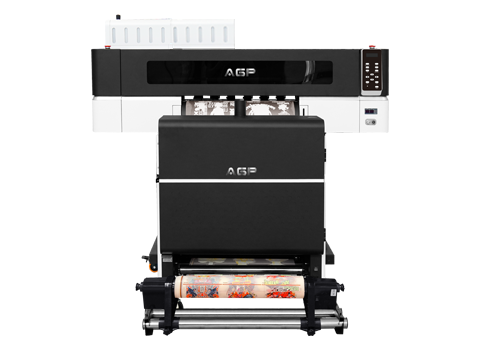
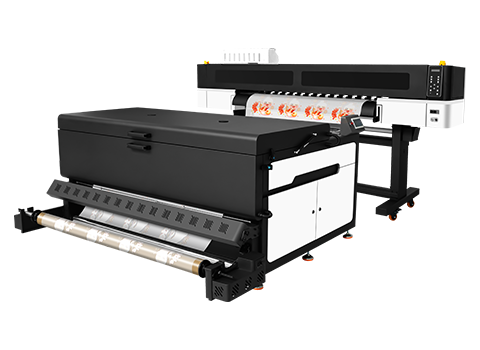
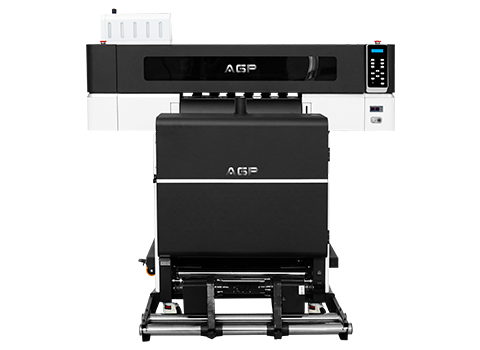
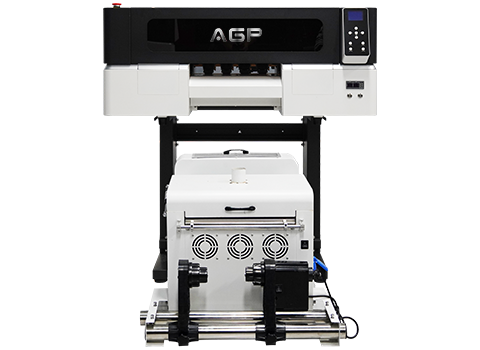
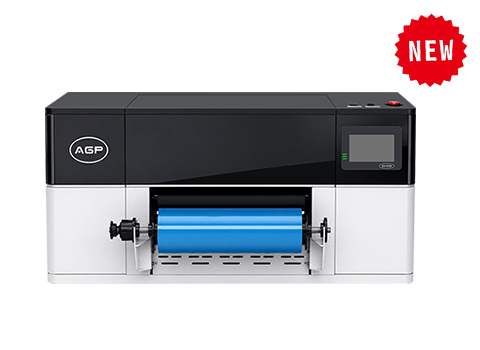
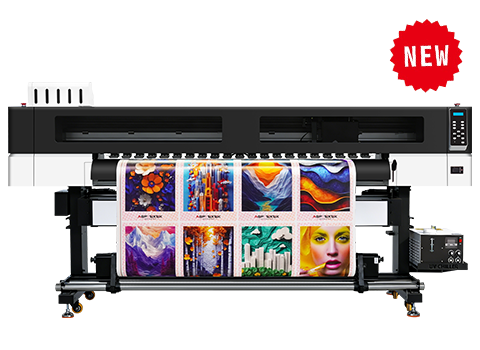
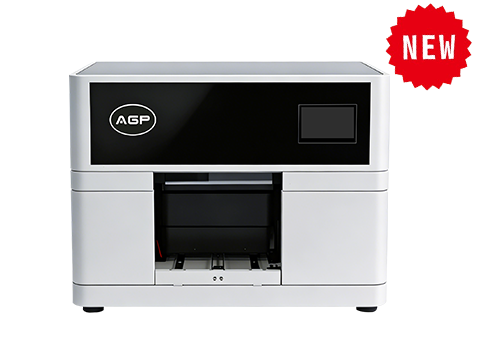
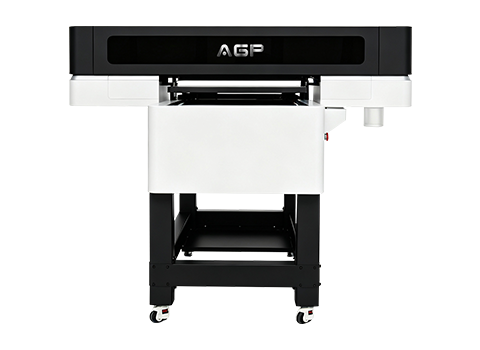
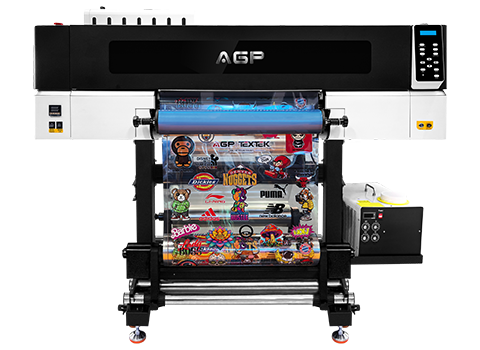
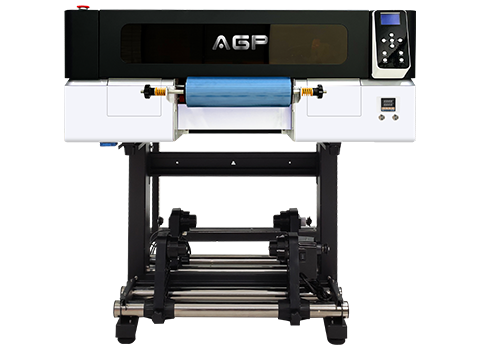
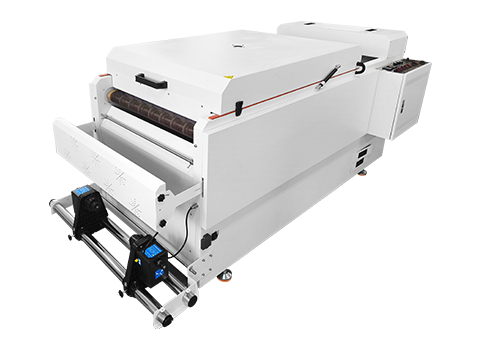
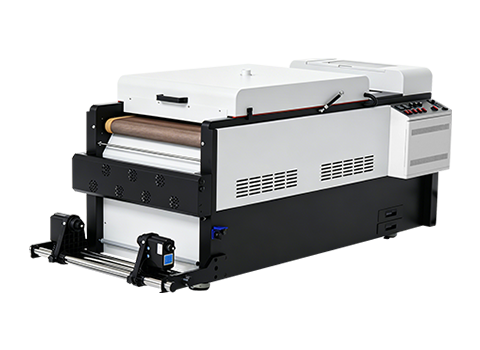
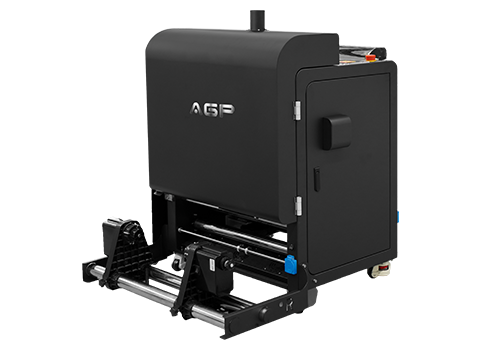
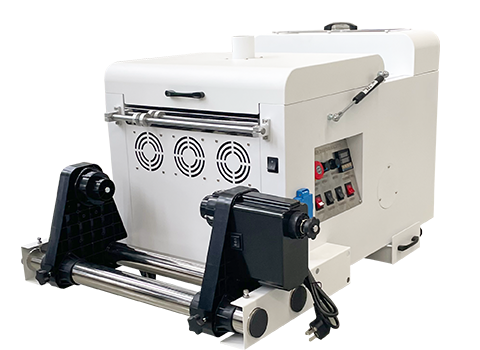
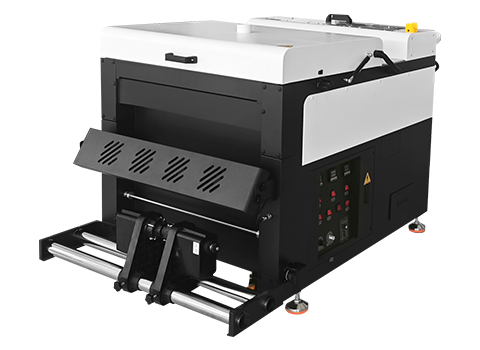
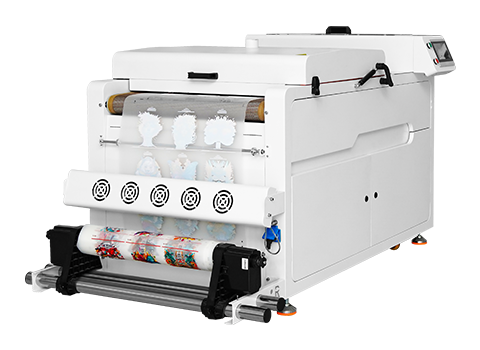
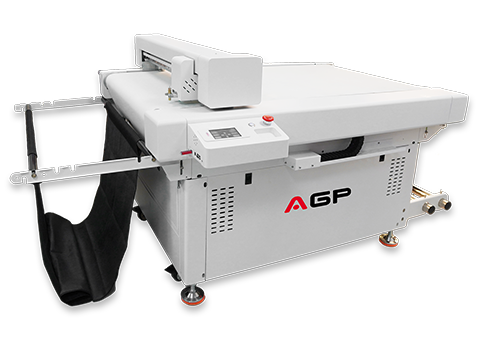
AGP offers both DTF printers and sublimation printers, so you can choose — or combine — the method that best matches your product mix. Contact our team for equipment recommendations based on your fabric types and production volume.
FAQ: DTF vs Sublimation Durability Questions
Which lasts longer, DTF or sublimation?
On polyester, sublimation lasts longer since the dye is part of the fiber and can't crack or peel. On cotton, blends, or dark fabrics, DTF is the more durable practical choice because sublimation doesn't work reliably on those materials at all.
Can sublimation be used on cotton?
No. Sublimation only bonds with polyester or polymer-coated surfaces; on cotton and other natural fibers, the ink won't transfer properly and will wash out.
Does DTF crack after multiple washes?
High-quality DTF transfers with proper curing and heat press settings resist cracking well through 50-100+ washes; lower-quality powder, ink, or under-curing increases the risk of cracking or edge lifting over time.
Why does sublimation feel softer than DTF?
Because sublimation ink becomes part of the fabric fiber itself rather than sitting on top of it, the print has zero added texture — DTF sits slightly above the surface, giving it a light, soft-to-the-touch texture.
Can DTF print on dark-colored shirts?
Yes. DTF uses a white ink underbase, allowing vibrant colors to show clearly on dark or black fabrics — something sublimation cannot do since its ink is translucent.
Which method is cheaper per print?
Sublimation printers generally have a lower upfront equipment cost, while DTF often has a comparable or slightly higher per-print consumable cost depending on film and powder pricing — but DTF's fabric versatility can offset this by expanding your addressable product range.
How can I make DTF prints last longer?
Use high-quality adhesive powder and pigment ink, pre-wash garments to remove finishing chemicals, follow correct heat press time and temperature, and avoid excessive stretching of printed areas.