
What Do You Really Need to Start Sublimation Printing? A Practical Guide for Beginners and Factories
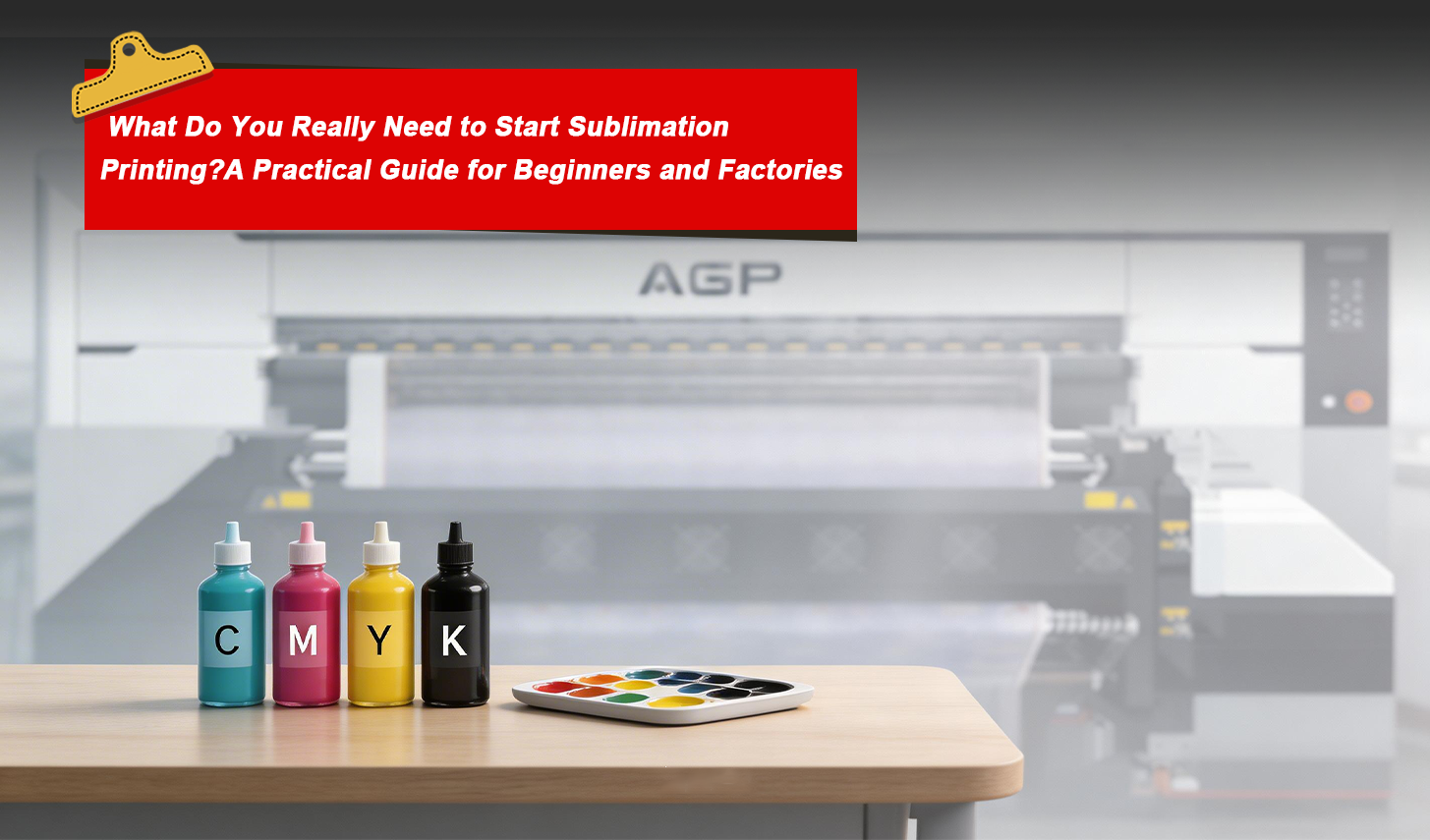
Quick Answer: To start sublimation printing, you need five core components — a sublimation printer, sublimation ink, sublimation paper, a heat press machine, and a computer with RIP software for color management. Beginners can start with a desktop sublimation printer and a flat heat press, while factories scaling to mass production need industrial sublimation printers paired with rotary heat press systems for continuous textile output.
Sublimation printing has remained one of the most stable and scalable digital printing technologies in the customized product and textile decoration industry. While newer processes such as DTF printing and UV printing continue to expand application boundaries, sublimation printing still plays a key role in apparel manufacturing, sportswear production, promotional items, and home décor customization.
This guide breaks down exactly what you need for sublimation printing — equipment, consumables, software, and real production applications — for both beginners and factories planning to scale up.
What Equipment Do You Need to Start Sublimation Printing?
A complete sublimation printing setup always includes the same five building blocks, regardless of whether you're a small studio or an industrial factory:
- Sublimation printer — outputs the mirrored artwork onto transfer paper
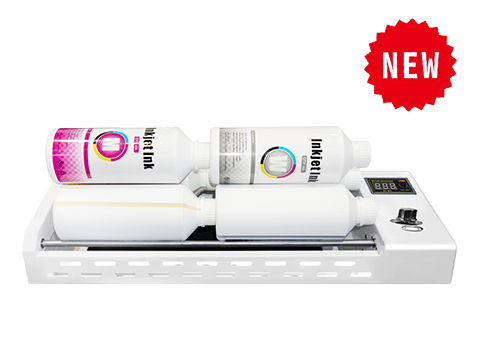
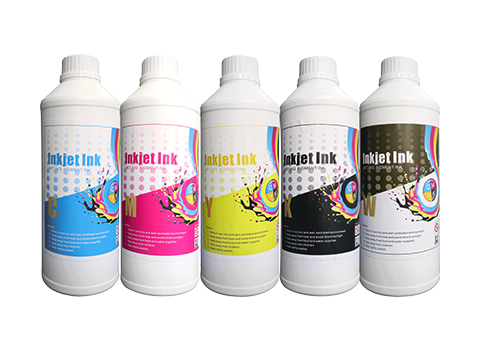
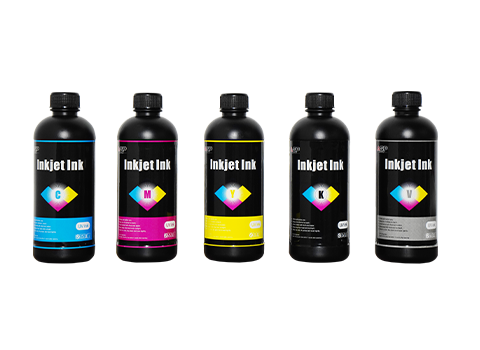
- Sublimation ink — the dye that bonds into the material under heat
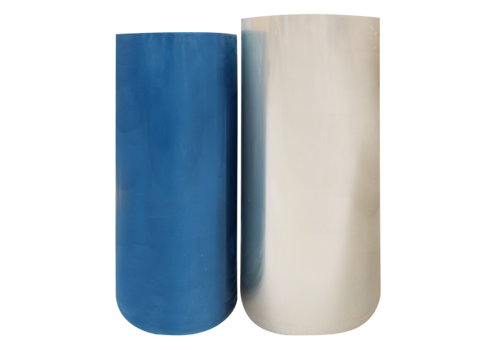
- Sublimation paper — the coated carrier that controls ink release
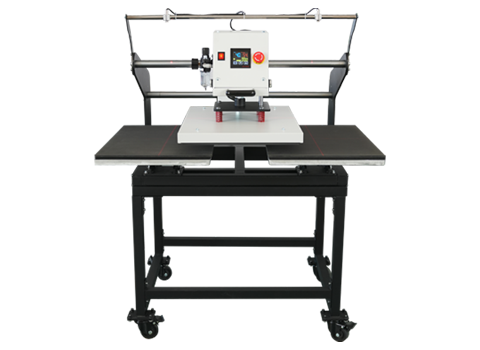
- Heat press machine — transfers the design into the substrate
- Computer + RIP software — manages color profiles and print queues
Missing or under-specifying any one of these creates a bottleneck for the rest of the workflow — a fast printer paired with a weak heat press, for example, will not deliver production-grade output.
What Is a Sublimation Printer and How Do You Choose One?
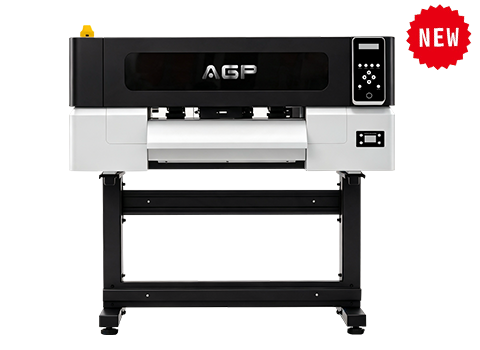
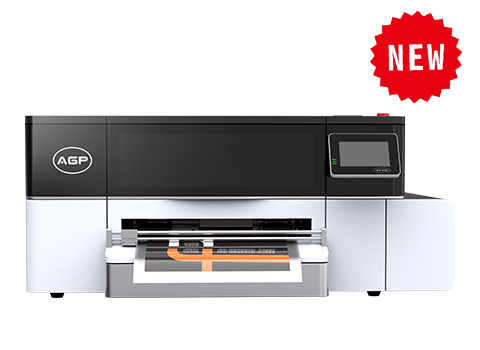
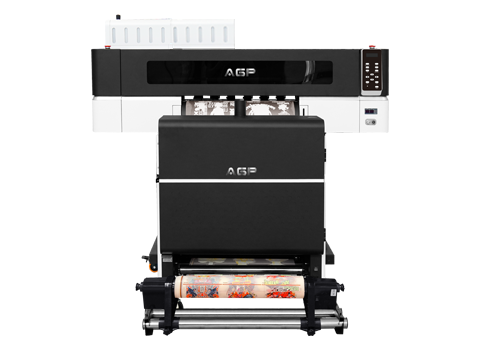
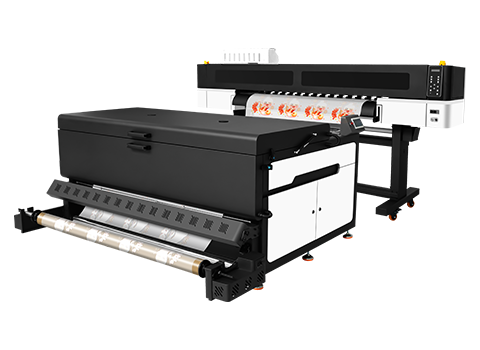
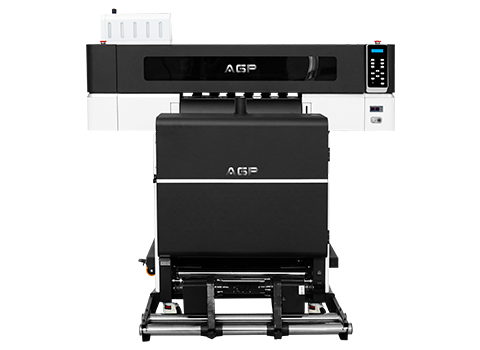
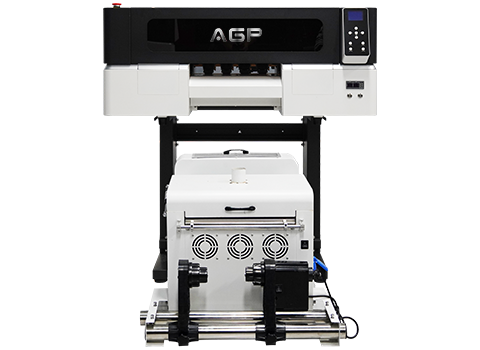
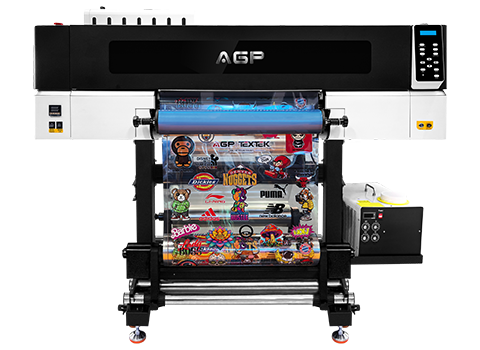
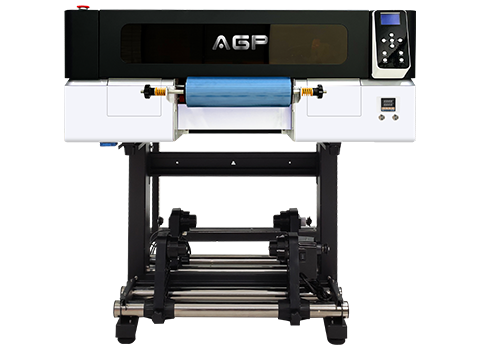
A sublimation printer is a specialized digital printer configured to work with sublimation ink and sublimation transfer paper. In real production environments, sublimation printers fall into three tiers:
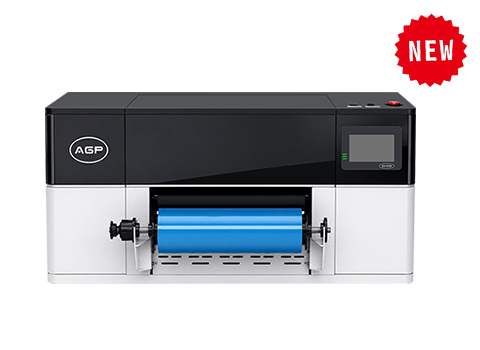
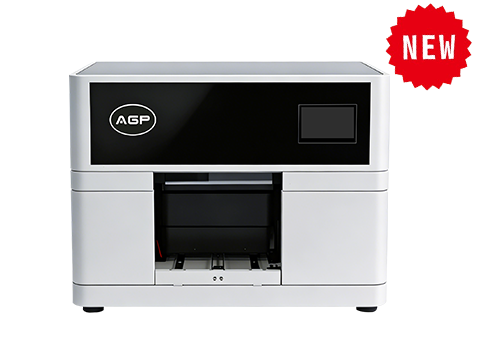
- Desktop sublimation printers — for startup studios
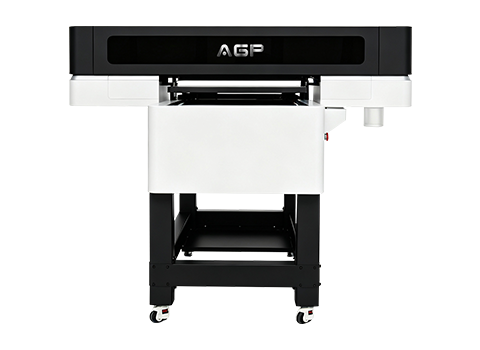
- Mid-format sublimation printers — for small production lines
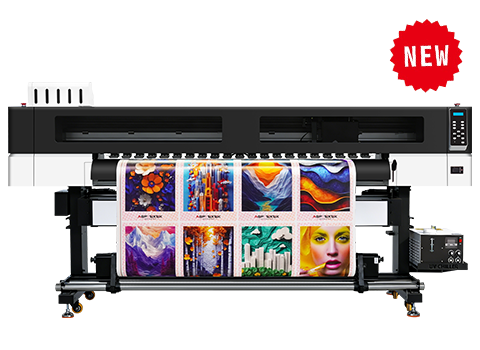
- Industrial sublimation printers — for continuous textile production
When selecting a sublimation printer, prioritize print width, resolution stability, the ink supply system, color management accuracy, mechanical reliability, and compatibility with professional RIP software — never purchase price alone. AGP provides sublimation printing solutions for both entry-level studios and industrial-scale textile plants, so businesses can grow production capacity without frequent equipment replacement.
Why Does Sublimation Ink Quality Matter?
Sublimation ink is not interchangeable with DTF ink, pigment ink, or UV ink — it is a dedicated dye-based formulation engineered specifically for the sublimation transfer process. Ink quality directly determines color vibrancy after transfer, sharpness of fine detail, stability under heat press, and batch-to-batch consistency.
Poor sublimation ink commonly causes weak color saturation, blurred edges, unstable color profiles, and a higher risk of nozzle clogging — all of which raise reprint frequency and operating cost in commercial production.
What Type of Heat Press Machine Do You Need for Sublimation?
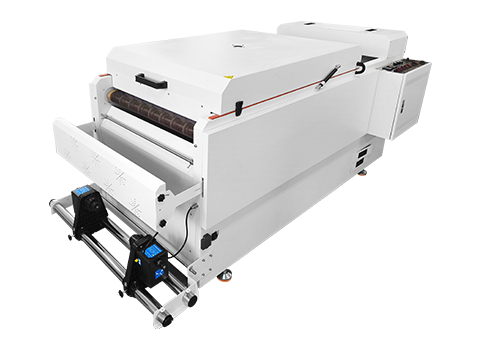
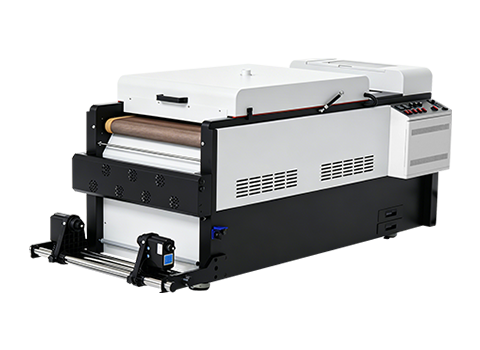
The sublimation printer only produces the transfer media — the actual transformation happens inside the heat press machine, which applies controlled temperature, pressure, and dwell time to sublimate the ink into the substrate.
- Flat heat press — for small items and low-volume work
- Pneumatic flat press — for medium production batches
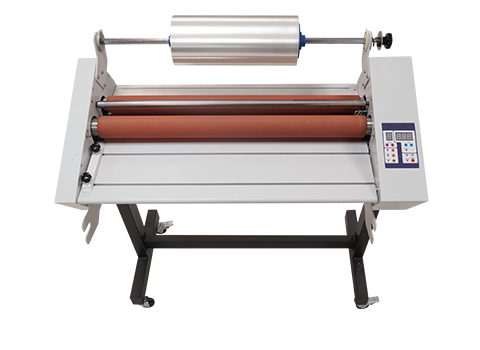
- Rotary heat press — for continuous roll-to-roll textile production
For apparel and sportswear production, rotary heat press systems deliver far higher throughput and consistency than manual flat presses. Your heat press capacity should always match your printer's output — otherwise the transfer stage becomes the bottleneck for the entire line.
Why Sublimation Paper Quality Decides Your Final Output
Sublimation paper is a coated transfer paper whose micro-porous surface keeps ink from soaking too deep before transfer. High-quality paper gives faster drying, higher ink release rate, reduced dot gain, and sharper edges. Low-grade paper leads to dull colors, excess ink usage, and uneven density — problems that surface most visibly at industrial scale, where batch-to-batch consistency is non-negotiable.
Do You Need a Computer and RIP Software for Sublimation Printing?
Yes — a sublimation printing system isn't complete without proper software infrastructure. The computer and RIP software control color profiles, ink limits, resolution mapping, print queue management, and layout nesting.
While many sublimation printers ship with bundled software, commercial print shops typically add third-party RIP systems for tighter ICC color management — especially important for sportswear brand production, team uniforms, and licensed merchandise where enterprise clients demand strict color consistency.
Where Is Sublimation Printing Used in Commercial Production?
Apparel and sportswear: cycling jerseys, football uniforms, training wear, yoga apparel, and swimwear — sublimation ink becomes part of the fabric, keeping garments breathable and flexible.
Mugs and promotional gifts: coated mugs, tumblers, photo frames, metal plates, and key chains for corporate gifting and retail personalization.
Advertising and soft signage: exhibition backdrops, fabric banners, retail displays, and flags — valued for durability in both indoor and outdoor settings.
Home textile and décor: curtains, cushions, blankets, and table covers, produced at scale with large-format printers and rotary heat press systems.
Sublimation Printing Equipment: Startup vs. Factory-Scale Comparison
| Setup Tier | Printer Type | Heat Press Type | Typical Output | Best For |
|---|---|---|---|---|
| Studio / Startup | Desktop sublimation printer | Manual flat heat press | Low volume, per-order | POD sellers, small studios |
| Mid-Format Production | Mid-format sublimation printer | Pneumatic flat press | Medium batches, daily runs | Small-to-medium print shops |
| Industrial Factory | Industrial sublimation printer | Rotary heat press (roll-to-roll) | Continuous, high-volume | Textile factories, sportswear brands |
Component Function & Impact of Low Quality
| Component | Core Function | Risk If Low Quality |
|---|---|---|
| Sublimation Printer | Outputs mirrored artwork onto paper | Resolution instability, downtime |
| Sublimation Ink | Carries color into the fabric structure | Weak saturation, nozzle clogging |
| Sublimation Paper | Controls ink release during transfer | Dull colors, uneven density |
| Heat Press Machine | Fuses ink into the substrate | Ghosting, incomplete transfer |
| RIP Software | Manages color profiles & print queue | Inconsistent batch colors |
How to Build a Scalable Sublimation Printing Business with AGP
Sublimation printing is not only a printing technique — it's a production model. Building a scalable sublimation printing business requires equipment compatibility, workflow stability, consumable consistency, maintenance planning, and operator training.
AGP provides complete sublimation printing solutions, including professional sublimation printers, stable ink delivery systems, compatible consumables, and workflow configuration support — helping printing businesses reduce operational risk and maintain long-term output stability.
Conclusion: Building a Complete Sublimation Printing System
Sublimation printing requires more than a single machine. A complete system consists of a sublimation printer, sublimation ink, sublimation paper, a heat press machine, and a computer with RIP software — each component directly affects production quality, efficiency, and long-term operating cost.
With the right equipment configuration and workflow design, businesses can produce vibrant, durable, and high-value customized products across apparel, gifts, advertising, and home décor markets. If you are planning to start or upgrade your sublimation printing production line, AGP can support you with professional equipment and integrated sublimation printing solutions tailored to your business scale.
FAQ: Sublimation Printing Setup Questions
What equipment do I need to start sublimation printing?
A sublimation printer, sublimation ink, sublimation paper, a heat press machine, and a computer with RIP software.
Can sublimation printing be used on cotton fabrics?
No. Sublimation printing works mainly on polyester fabrics or polymer-coated substrates, since the ink needs to bond at a molecular level with polyester fibers or coating.
Is sublimation printing suitable for mass production?
Yes. With industrial sublimation printers and rotary heat press systems, sublimation printing is widely used for continuous, high-volume textile production.
What's the difference between sublimation printing and DTF printing?
Sublimation ink converts to gas and bonds into the material itself, working only on polyester/coated surfaces. DTF printing transfers a printed film with adhesive powder onto the surface of almost any fabric, including cotton, but sits on top rather than embedding into the material.
Do I need special software for sublimation printing?
Most sublimation printers include basic bundled software, but commercial operations typically add professional RIP software for accurate ICC color management and consistent output across large orders.
Does sublimation printing require special maintenance?
Yes. Regular printhead maintenance, ink system cleaning, and stable environmental control (temperature/humidity) are necessary to keep output consistent.
How do I scale from a small setup to factory-level sublimation production?
Upgrade in this order: move from a desktop to an industrial sublimation printer, switch from a manual flat press to a rotary heat press for continuous transfer, and add RIP software for color consistency across larger batches.