
DTF Printing: The Future of Garment Customization and Business Efficiency
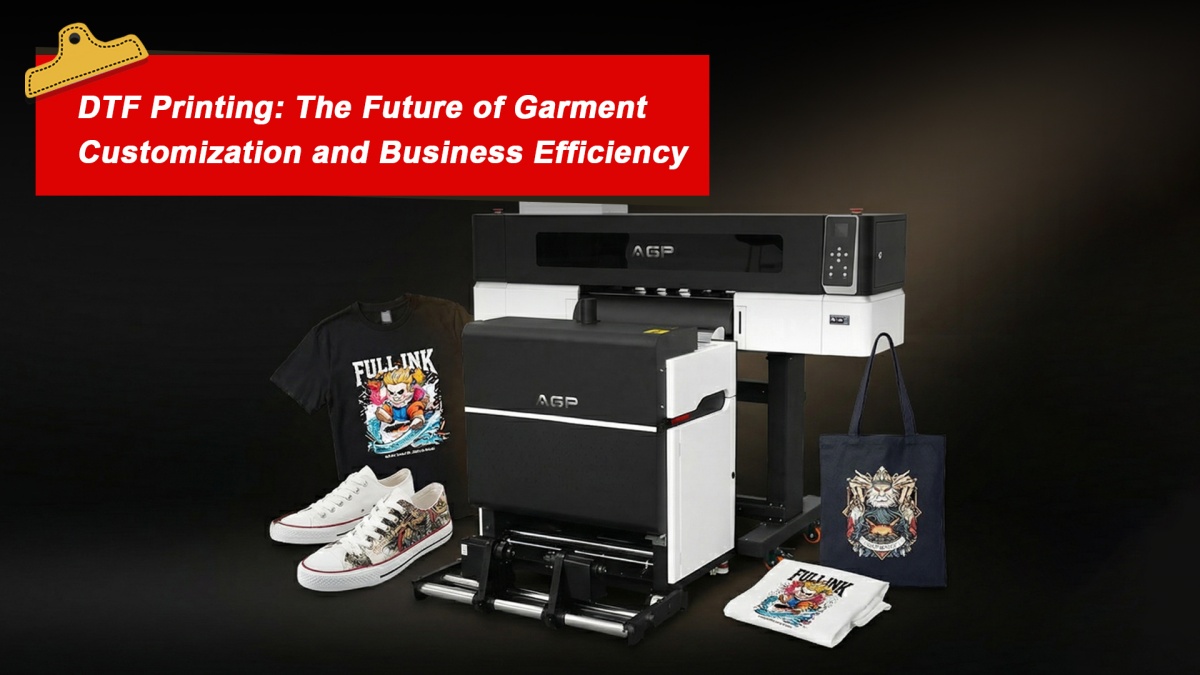
DTF (Direct-to-Film) printing has rapidly gained popularity in the garment industry, offering distinct advantages over traditional printing methods such as screen printing and DTG (Direct-to-Garment) printing. In this guide, we’ll explore why the DTF printer is becoming the go-to solution for small businesses and custom apparel creators. Whether you're an entrepreneur or just passionate about printing, this article will show you why investing in a DTF printer could be the best decision for your business.
What is DTF Printer?
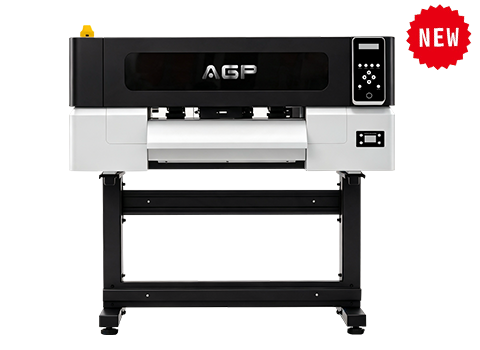
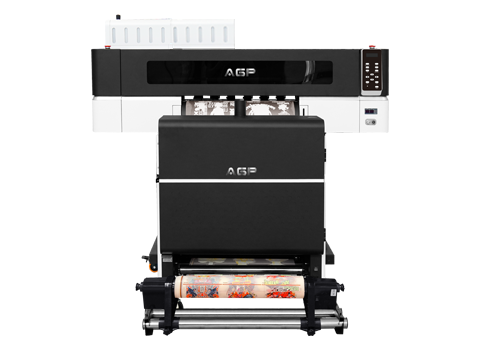
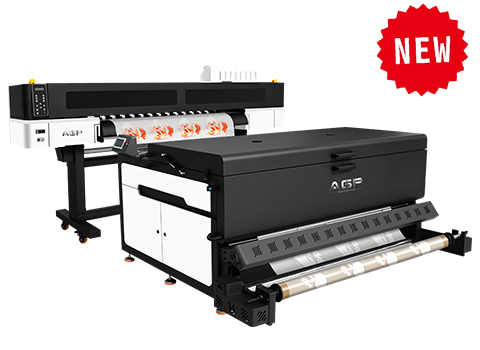
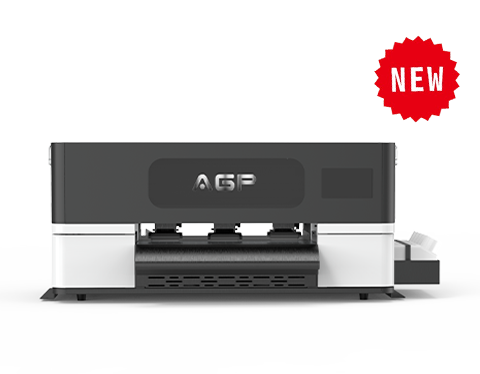
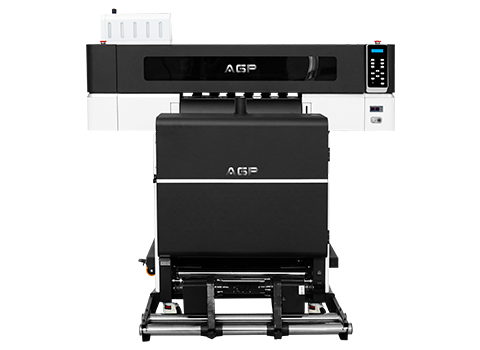
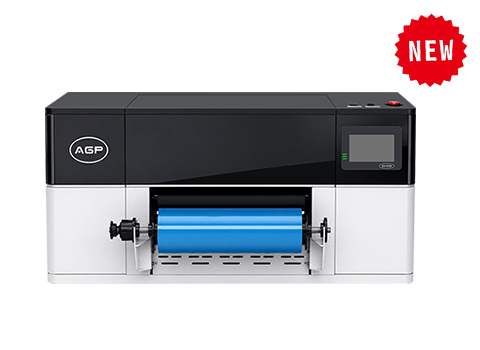
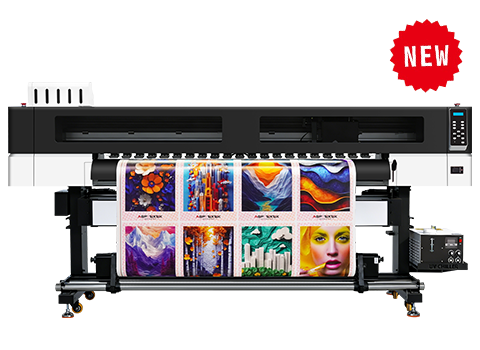
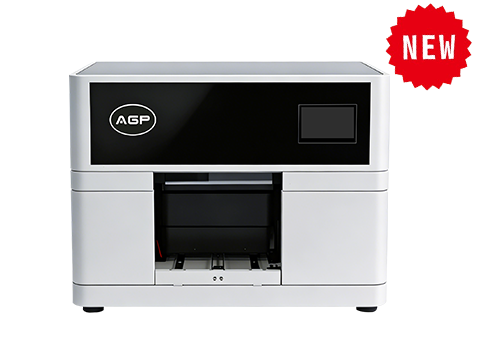
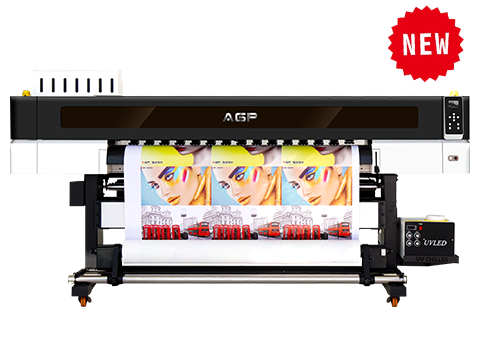
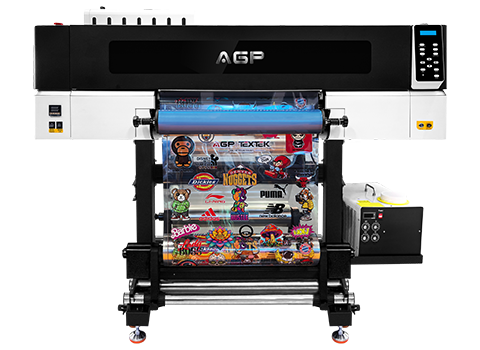
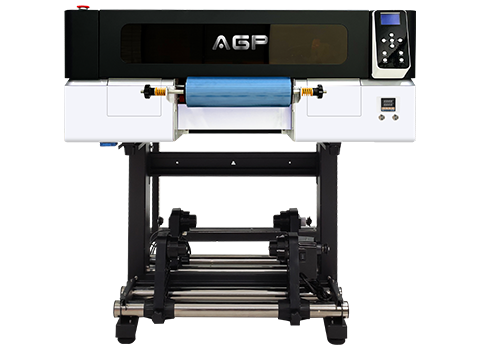
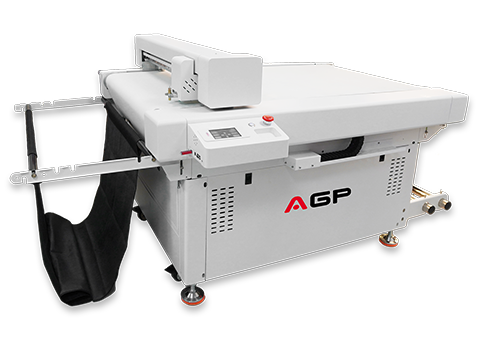
A DTF printer is a type of digital printing machine that prints designs onto a special film, which is then transferred to fabric using heat and pressure. Unlike traditional methods, where ink is applied directly to fabric, DTF printing offers greater flexibility, allowing prints on various materials with lower production costs.
The DTF printing process consists of several steps:
-
Design: Create a design using graphic software.
-
Printing: The design is printed onto a transparent film.
-
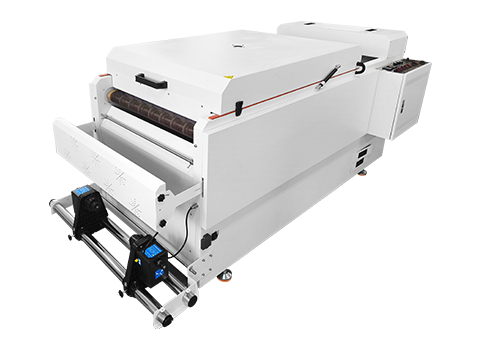
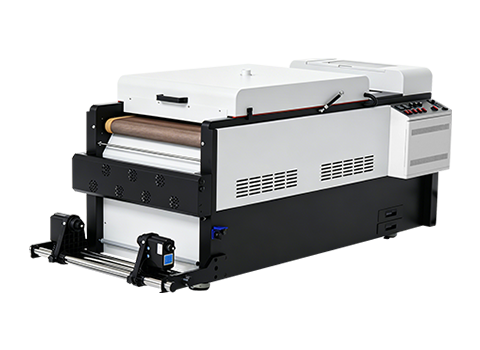
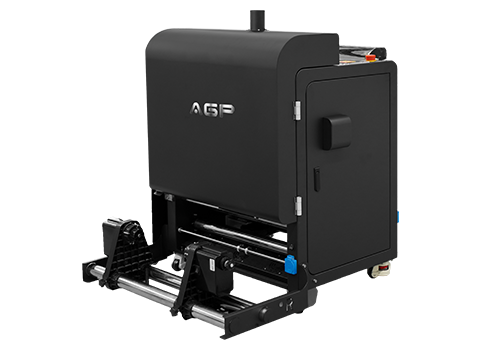
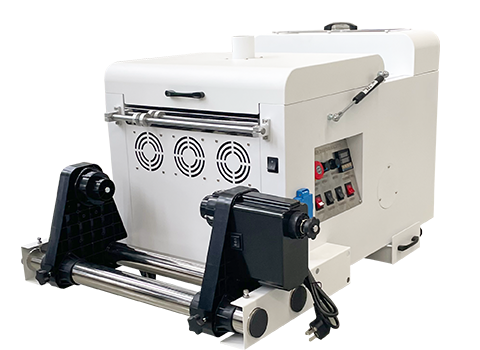
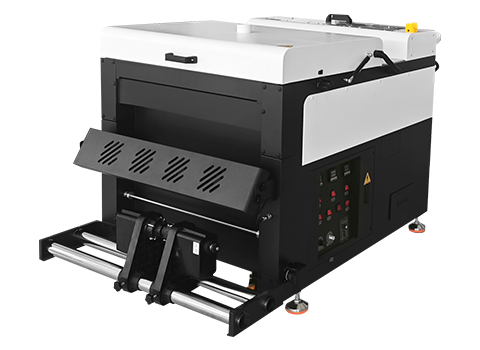
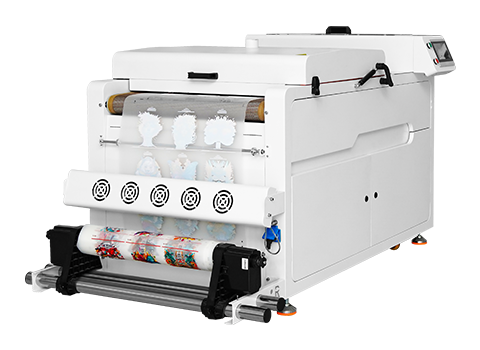
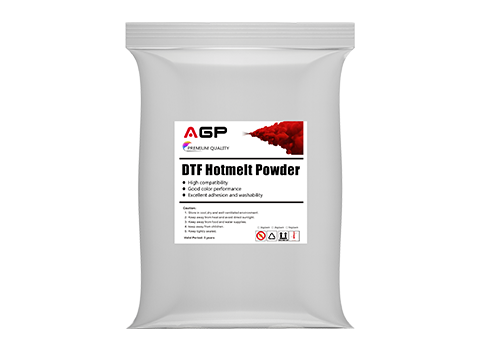
Powder Application: An adhesive powder is applied to the printed film.
-
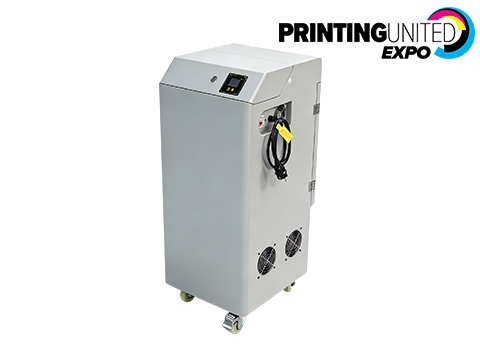
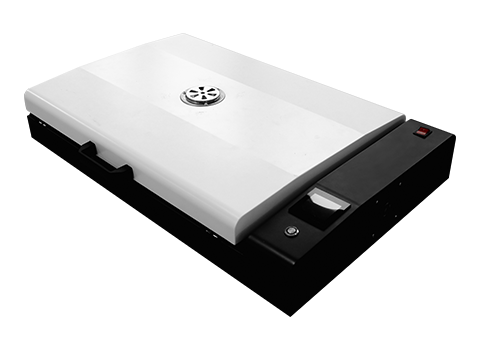
Curing: The film is passed through a curing oven to ensure proper adhesion.
-
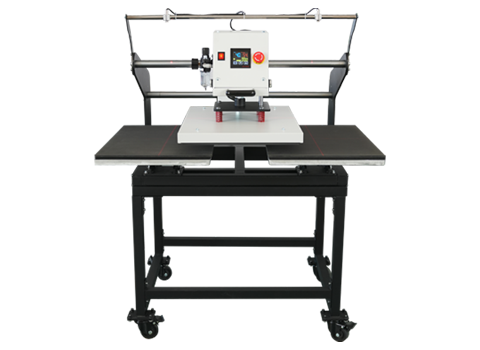
Transfer: The film is heat-pressed onto the fabric, transferring the design.
This workflow allows businesses to print high-quality, detailed designs on a variety of fabrics, without the need for pre-treatment or complex setup.
How DTF Printers Solve Common Issues in Conventional Printing
DTF printers have transformed the printing industry by addressing the limitations of traditional methods like screen printing and sublimation. These older methods often require specific materials, complex setups, and time-consuming procedures.
DTF printers, on the other hand, provide unmatched versatility, enabling high-quality prints on both light and dark fabrics. The DTF printer does not require pre-treatment of fabrics, making it easier and more cost-effective for businesses to print on a wide variety of materials.
Additionally, DTF printers are particularly suited for small to medium production runs, minimizing setup costs and reducing waste. Traditional printing methods often struggle to achieve the fine details or color consistency that DTF printing excels at. DTF prints are also durable, resisting fading and wear even after repeated washes.
What Are the Key Advantages of DTF Printers?
1. Vibrant and Accurate Colors
One of the most significant advantages of DTF printers is their ability to produce vibrant, sharp, and detailed designs. The color accuracy and saturation are exceptional, making it ideal for intricate patterns and logos on custom apparel.
2. Design Flexibility
Thanks to inkjet technology, any design that can be created on a computer can be printed on fabric. This flexibility allows businesses to produce highly detailed and intricate designs with ease. Whether you're printing logos, graphics, or personalized artwork, DTF printers can bring your ideas to life.
3. Superior Durability and Washability
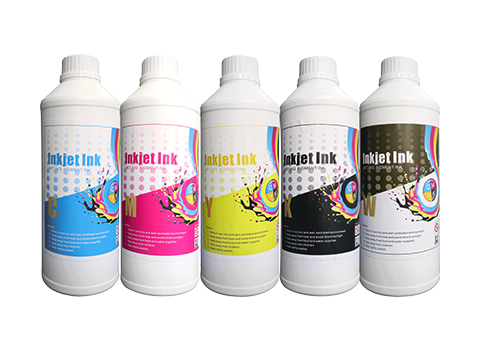
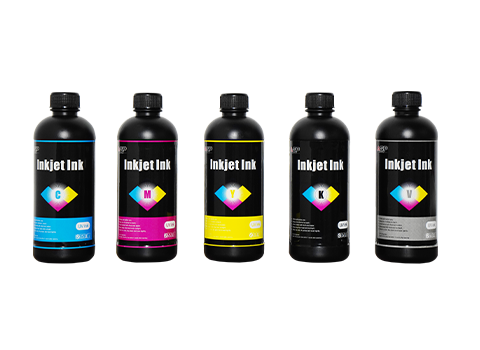
DTF prints are known for their durability. The textile pigment inks used in DTF printing bond securely to fabric fibers, ensuring excellent rub resistance and washability. Prints remain vibrant and intact even after numerous washes, making them perfect for clothing and accessories that require long-lasting quality.
4. Soft Feel and Comfortable Prints
Unlike traditional printing methods, which can leave prints feeling stiff or harsh on the fabric, DTF prints integrate seamlessly with the material. The print feels soft to the touch, giving the fabric a more natural, high-quality appearance.
5. Cost-Effective Production
DTF printers have a relatively low initial setup cost compared to other printing technologies like screen printing. With minimal equipment requirements—such as a heat press and a digital printer—small businesses can start producing high-quality apparel without a hefty upfront investment. The cost-effectiveness of DTF printing means higher profit margins, especially for small-scale operations.
6. Sustainability
DTF printing is an environmentally friendly option. It requires less water than traditional methods and generates minimal waste. The lightweight setup also reduces energy consumption, making DTF printers a sustainable choice for businesses looking to reduce their environmental footprint.
Why DTF Printer is the Ideal Choice for the Garment Industry
DTF printers stand out as the best choice for custom apparel businesses due to their flexibility, high-quality output, cost-effectiveness, and minimal maintenance. Whether you're printing on T-shirts, hoodies, or custom merchandise, a DTF printer can handle various materials and deliver durable prints with stunning color accuracy.
The ease of use and versatility make DTF printers an attractive option for both startups and established businesses. For example, a small business can start printing small batches of custom apparel, while a larger operation can scale up production efficiently, keeping costs low without sacrificing quality.
DTF printing is also perfect for entrepreneurs who want to offer highly customized products. From one-off designs to bulk orders, DTF printers provide a streamlined process for creating personalized apparel that meets modern consumer demands.
Conclusion
In summary, DTF printing has proven to be a revolutionary technology in the garment and custom apparel industries. With its superior color vibrancy, design flexibility, washability, and cost-effectiveness, it is no wonder that DTF printers are rapidly replacing older printing methods. Whether you’re just starting your printing business or looking to expand, investing in a DTF printer will allow you to stay competitive in today’s fast-paced market.