
Custom World Cup 2026 Jerseys: How DTF Printing Is Winning the Biggest Tournament on Earth
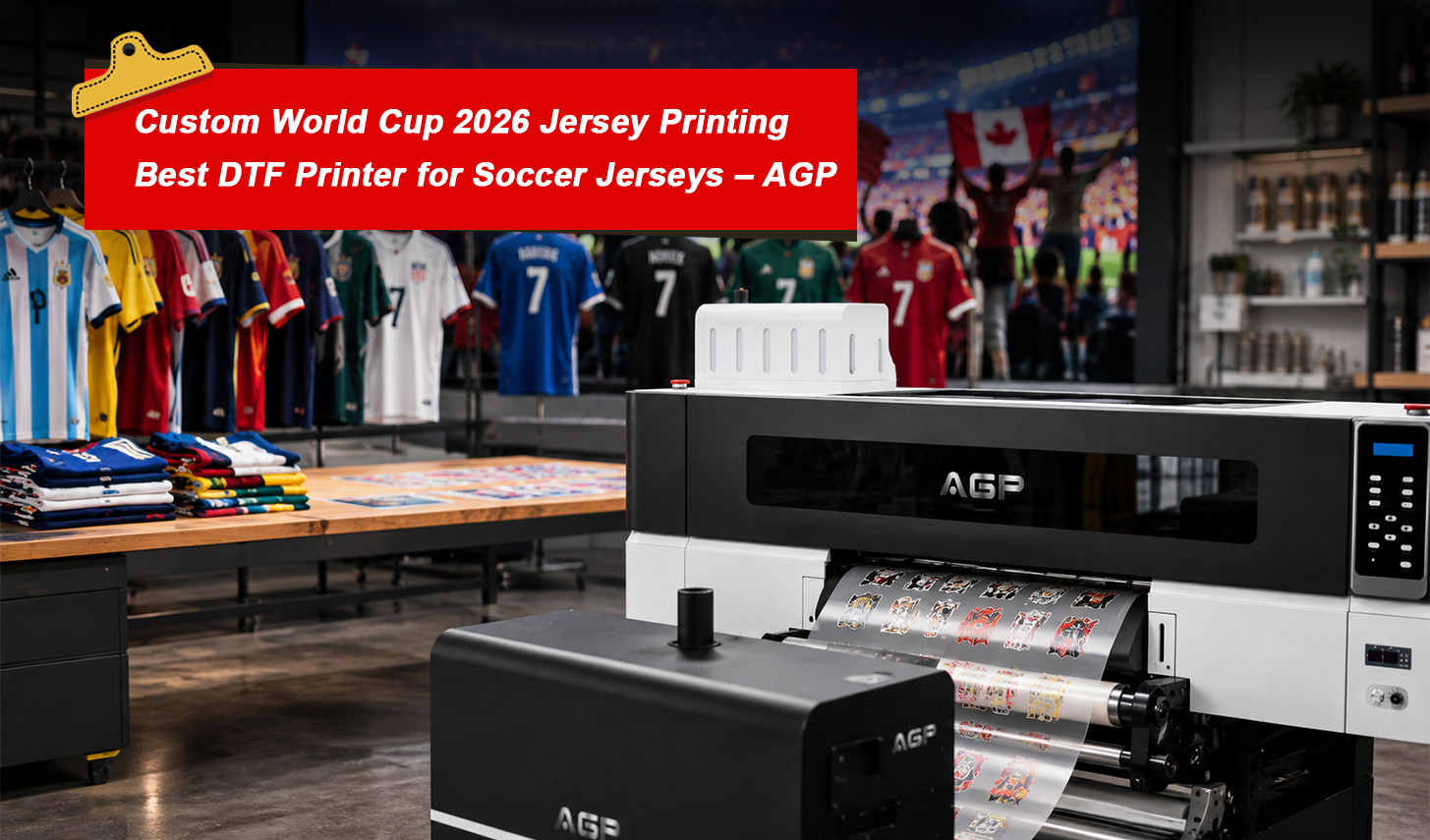
The FIFA World Cup 2026 is officially underway — and it's the biggest edition in history.
For the first time ever, 48 national teams are competing across three host countries: the United States, Canada, and Mexico, with 104 matches spread across 16 cities, running from June 11 through July 19, 2026. The World Cup final will take place on July 19 at MetLife Stadium in East Rutherford, New Jersey.
That's more teams, more matches, more cities, and more fans than any World Cup before it. And for custom apparel businesses, it represents one of the biggest short-window commercial opportunities of the decade.
If you're in the custom printing business — or thinking about getting in — this is the moment. Here's how DTF printing technology is powering the World Cup jersey market in 2026, and how to capitalize on it before the final whistle.
The World Cup 2026 Custom Apparel Opportunity
Every World Cup generates an enormous surge in custom apparel demand. But 2026 is different in scale:
- 48 teams instead of the traditional 32 — 50% more national fanbases actively buying merchandise
- 16 host cities across North America — fan zones, watch parties, and stadium crowds in Dallas, Los Angeles, New York, Miami, Atlanta, Chicago, Boston, Houston, Seattle, San Francisco, Kansas City, Vancouver, Toronto, Guadalajara, Monterrey, and Mexico City
- 104 matches — more games means more touchpoints for merchandise sales throughout the tournament
- A North American host market with extremely high consumer spending on sports merchandise
The demand isn't just from fans attending matches. Local restaurants, bars, fan clubs, corporate event organizers, schools, and sports clubs across all three host countries are ordering custom jerseys, T-shirts, and branded apparel to mark the tournament. And they need it fast, in small batches, with full-color custom designs.
That's exactly where DTF printing excels.
Why DTF Printing Is the Best Technology for Custom Jersey Production
Traditional jersey customization methods — screen printing, sublimation, embroidery — each have limitations that make them poorly suited for the World Cup's demand pattern: high variety, low quantities, fast turnaround, multiple fabric types.
DTF (Direct-to-Film) printing solves all of them.
Full Color, Photographic Detail on Any Design
World Cup jerseys aren't simple one-color prints. They involve national crests, multi-color flags, complex gradients, player names in multiple scripts, sponsor logos, and intricate patterns. DTF printing handles all of this in a single pass — CMYK + white ink, no color separation, no screens, no setup cost per design.
A fan group wanting 12 jerseys with 12 different player names and numbers? DTF does that as easily as 12 identical prints.
Works on Performance Fabrics — Including Polyester
This is critical for jersey production. Most football jerseys are made from 100% polyester or polyester-dominant blends — performance fabrics designed for moisture-wicking and athletic movement. DTG (Direct-to-Garment) printing struggles with
polyester. Screen printing requires special inks and processes.
DTF prints directly onto polyester, nylon, and performance blends with excellent adhesion and wash durability. The transfer becomes part of the fabric — surviving repeated washing without cracking, peeling, or fading. For jerseys that fans will wear through an entire tournament, that durability matters.
No Minimum Order — Profitable from a Single Piece
Traditional jersey customization is set-up cost intensive. Screen printing breaks even at 50+ pieces per design. Sublimation requires full-garment printing.
DTF has no minimum. A single custom jersey is as cost-effective to produce as one piece of a 500-unit order (just at a higher per-unit cost). For World Cup demand — which is inherently fragmented across many different national team supporters, many different player names, and many different event types — this is a decisive advantage.
Fast Turnaround for a Time-Sensitive Market
The World Cup window is short. From group stage upsets to surprise runs to the final, demand spikes unpredictably around match results. A team that unexpectedly advances to the quarterfinals can generate a wave of custom jersey orders overnight.
DTF production is fast. Design-to-transfer in minutes. Press-to-finished-garment in under a minute per piece. A well-equipped shop can go from a customer's custom design file to a finished jersey in under 30 minutes.
World Cup 2026 Market Segments: Where the Demand Is
Understanding where custom jersey demand comes from helps you target the right customers for your DTF printing business during the tournament.
1. Fan Groups and Supporter Clubs
Organized fan groups supporting national teams often want matching custom jerseys — either replicas of official kits with their own names/numbers, or completely original designs with their club's branding. These are typically orders of 10–50 pieces, multiple designs, tight deadlines around match dates.
Key markets: Brazilian, Argentine, Spanish, French, Mexican, and US supporter clubs are typically the largest and most active.
2. Bars, Restaurants, and Hospitality Venues
Sports bars and restaurants broadcasting World Cup matches frequently order staff uniforms or branded apparel for themed events. These are often logo-based designs on a specific color — small batch, fast turnaround, repeat potential if the venue runs events for multiple rounds.
16 host cities + thousands of viewing venues across North America = substantial B2B demand.
3. Corporate Events and Branded Merchandise
Companies use major sporting events as occasions for team-building events, client entertainment, and branded merchandise. Custom World Cup jerseys with company logos or event branding are popular corporate gifts during tournament season.
4. Retail and Pop-Up Merchandise
Print shops near host city stadiums, fan zones, and tourist areas can operate retail or pop-up merch operations — selling custom jerseys on-demand to fans who want something unique beyond official merchandise. High traffic, high margin, time-limited.
5. Online Custom Merch Stores
E-commerce sellers on Etsy, Shopify, and Amazon Merch can offer custom World Cup jerseys shipped to fans globally. DTF's low minimum order and design flexibility makes this model viable at small scale.
The DTF Jersey Printing Workflow: From Design to Finished Jersey
Here's what the production process looks like for a custom World Cup jersey order using a DTF printer:
Step 1 — Receive the Design Customer submits artwork (national crest, name, number, custom graphic). Your design software (or RIP software like AccuRIP or Ergosoft) prepares the file for printing — adding white underbase layer, color profile adjustments.
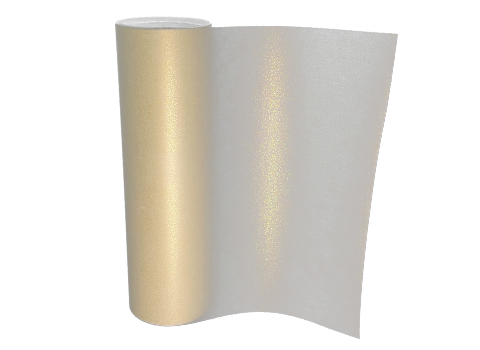
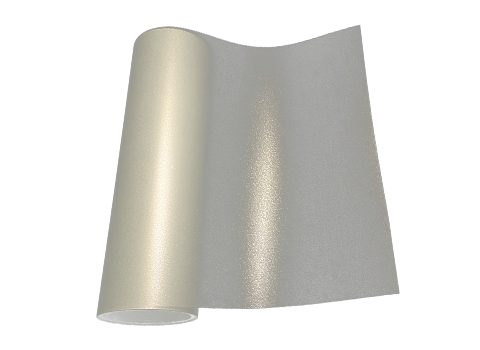
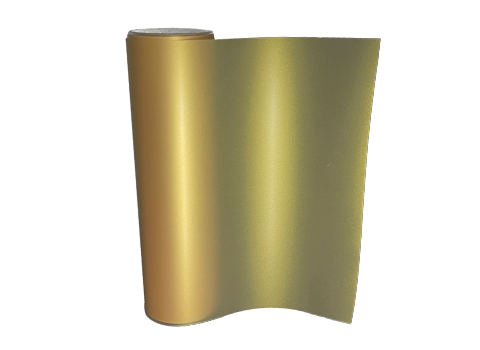
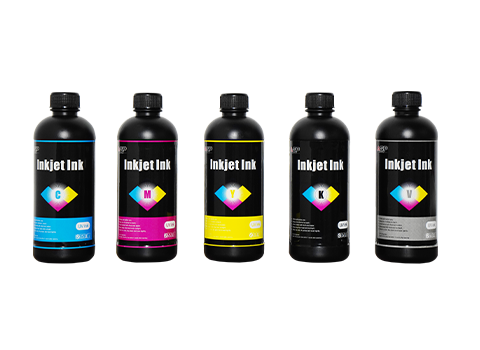
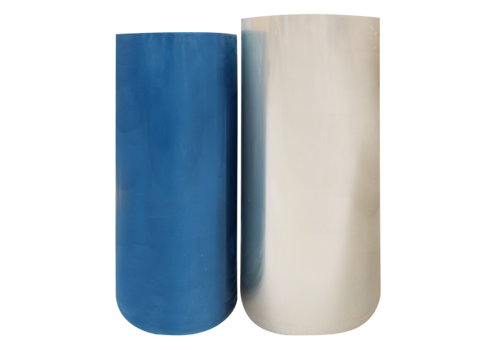
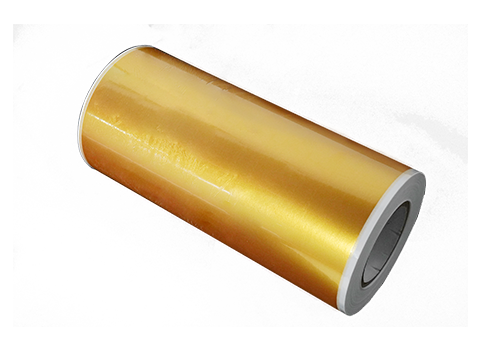
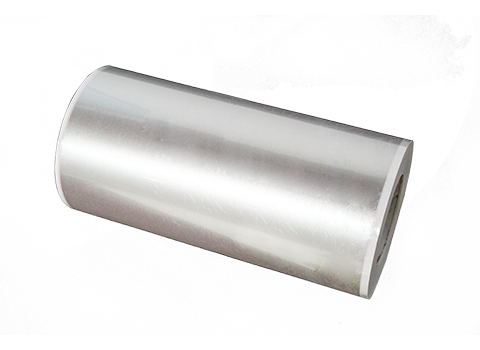
Step 2 — Print on DTF Film The DTF printer outputs the design onto PET transfer film — CMYK colors first, then white ink on top to create the opaque underbase for fabric adhesion.
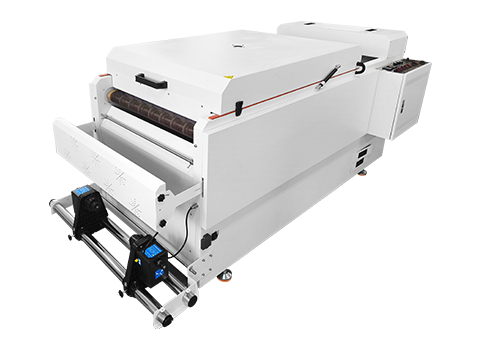
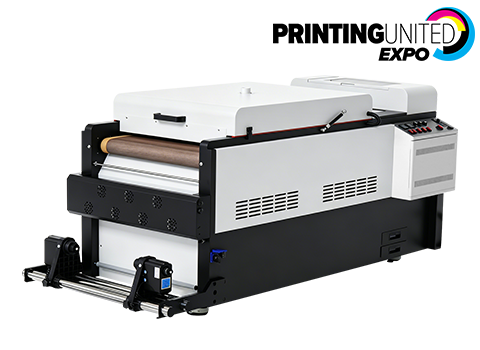
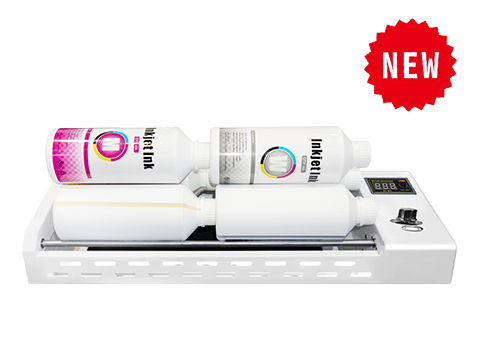
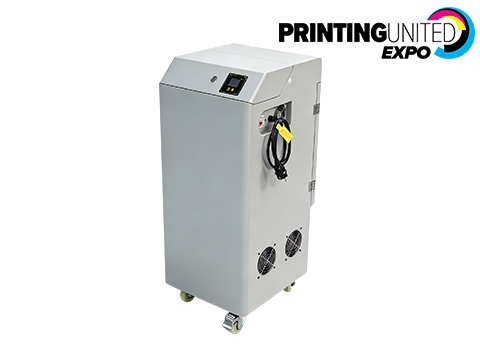
Step 3 — Apply Hot-Melt Adhesive Powder The printed film passes through a powder shaker, which applies hot-melt adhesive powder evenly over the design and cures it with heat. This bonds the powder to the ink and creates the adhesive layer that will fuse to the jersey fabric.
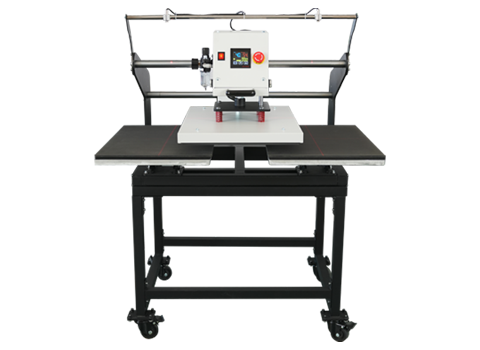
Step 4 — Heat Press Transfer The cured transfer film is positioned on the jersey and heat-pressed at approximately 160°C for 10–15 seconds. The adhesive melts and permanently bonds the design to the fabric.
Step 5 — Peel and Finish The film is peeled away — hot peel or cold peel depending on the film type — leaving a vibrant, durable, professional-quality print on the jersey.
Total time per jersey (after film is prepared): under 2 minutes.
Choosing the Right DTF Printer for World Cup Jersey Production
The right machine depends on your expected order volume during the tournament window.
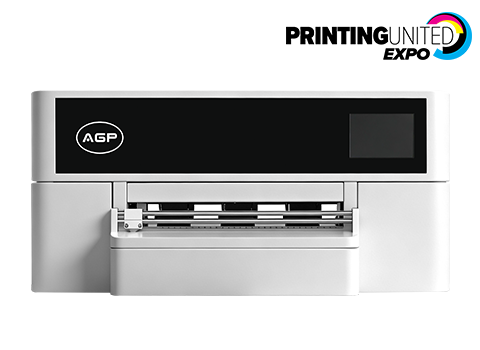
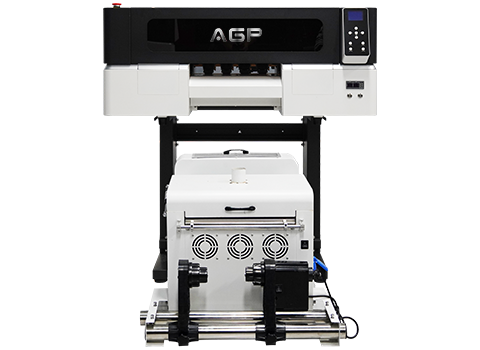
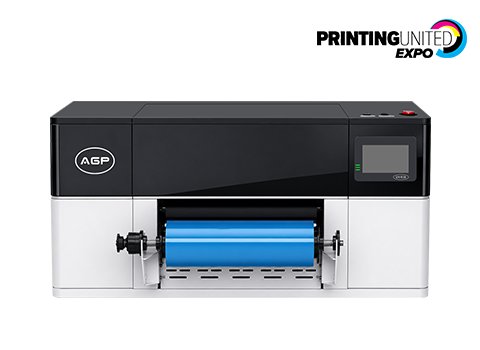
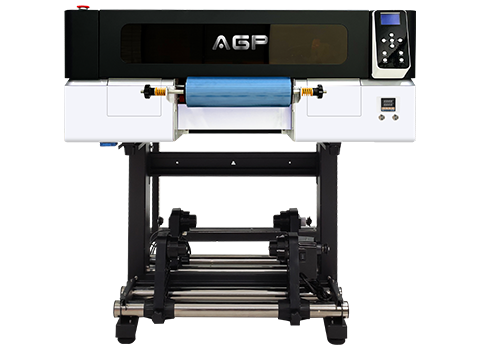
Low-Volume / On-Demand — AGP DTF-E30
For custom jersey shops handling individual or small-group orders (1–20 pieces per day):
- 1× Epson F1080-A1 printhead
- 300mm (A3) print width
- CMYK + White
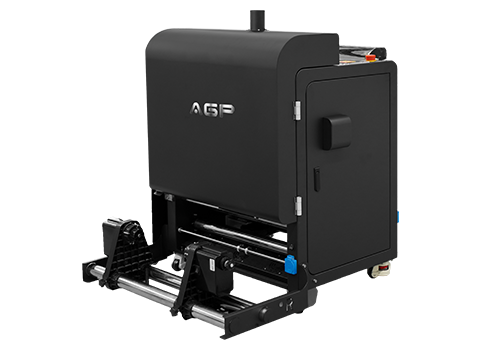
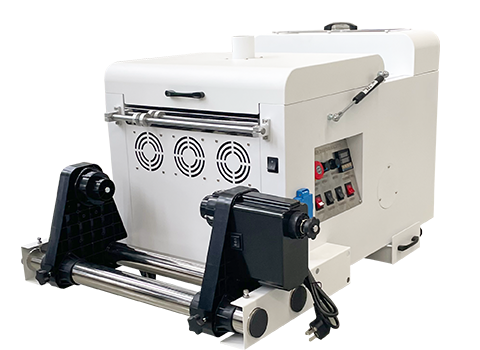
- Pair with the D300 compact powder shaker
- Best for: Single-operator studios, pop-up shops, home businesses
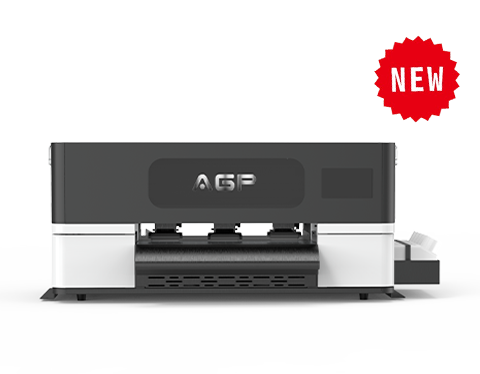
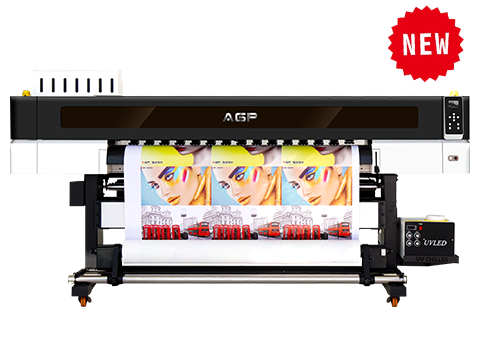
Mid-Volume — AGP DTF-T30
For shops expecting consistent World Cup demand across multiple customer types:
- 2–3× Epson I1600-A1 printheads
- 300mm print width with fluorescent ink option
- Significantly higher throughput than single-head machines
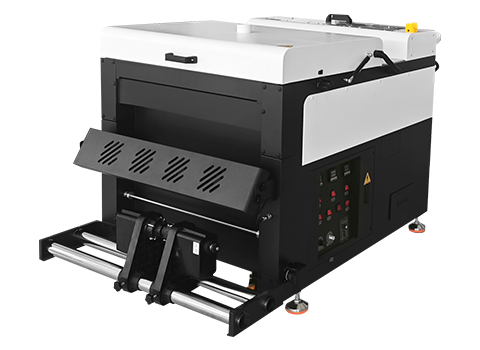
- Pair with the H650E or H650 Pro shaker
- Best for: Print shops serving fan groups, bars, and corporate clients simultaneously
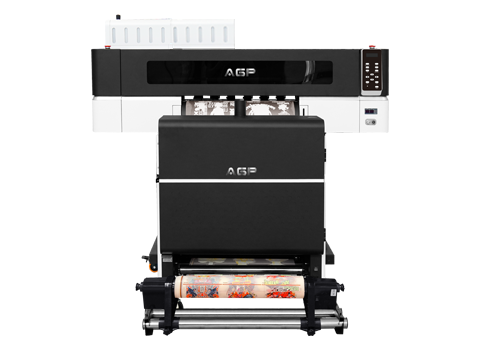
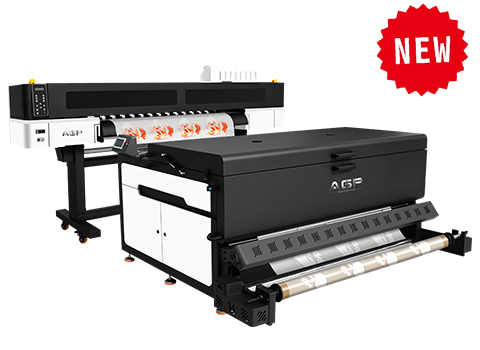
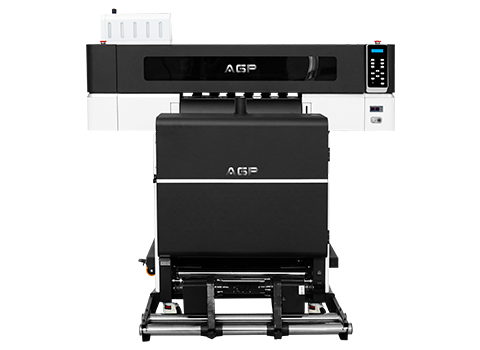
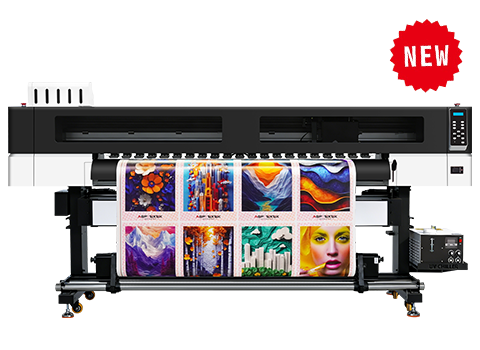
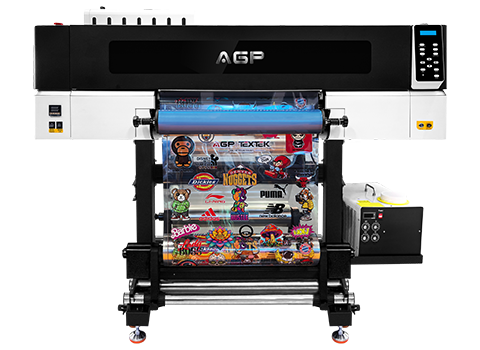
High-Volume / B2B — AGP DTF-T652 / T653 / T654
For businesses selling transfers wholesale to other jersey decorators, or fulfilling large event orders:
- 2–4× Epson I3200-A1 printheads
- 600mm print width — run gang sheets with multiple designs in a single pass
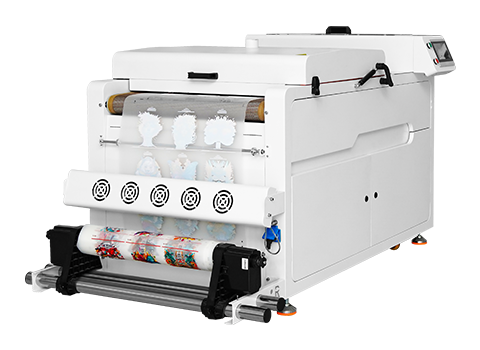
- Pair with H650L or H6505 shaker
- Best for: Transfer suppliers, large print shops, online merch fulfillment operations
GEO Spotlight: Key Markets During World Cup 2026
Because the tournament is hosted across North America with global fanbases converging, different cities represent different custom apparel opportunities:
Dallas / Arlington, Texas — One of the highest match allocations in the tournament. Large Hispanic community, strong football culture, major corporate event market.
Los Angeles, California — Enormous Latin American fanbase (Mexican, Guatemalan, Salvadoran supporters), plus entertainment industry demand for branded World Cup content.
Miami, Florida — Gateway to Latin America, strong Brazilian and Argentine supporter presence, high tourist traffic.
New York / New Jersey — Host of the final on July 19. The single highest-profile event location of the entire tournament. Demand for custom merchandise will peak in the days leading up to the final.
Mexico City / Guadalajara / Monterrey — Mexican domestic market with massive local demand for custom apparel supporting El Tri and regional favorites.
Toronto / Vancouver — Canadian host cities with strong multicultural supporter communities covering European, South American, and African national teams.
For DTF printing businesses in or near any of these cities, the World Cup window represents a concentrated demand spike unlike almost any other annual event.
Tips for Maximizing Your World Cup Printing Revenue with DTF
Start accepting pre-orders now. Don't wait for knockout rounds to market your service. Fans want custom jerseys for group stage matches too — and the earlier you capture orders, the more time you have to fulfill them without rush pressure.
Build a gang sheet template. For repeating elements (jersey number fonts, common national crests, standard name placements), build reusable templates that let you nest multiple orders efficiently on a single sheet of DTF film. This dramatically reduces per-unit costs on mixed orders.
Offer a 24-hour turnaround. The World Cup news cycle is fast. A team that advances or a player who scores a breakout goal can generate immediate demand for that player's name on a jersey. Advertising next-day custom jersey production is a strong differentiator.
Target local fan clubs on social media. Facebook groups and WhatsApp communities for national team supporters are highly active during the tournament. A targeted offer to these communities — "Custom jerseys for your watch party, delivered before the match" — can generate concentrated batch orders.
Stock popular base garments ahead of time. Have blank polyester jerseys or performance T-shirts in your most likely colors (Brazil yellow, Argentina light blue, Spain red, France dark blue, Mexico green) ready to press on demand.
Why Print Shops Choose AGP DTF Printers
AGP is a factory-direct DTF and UV printer manufacturer with 20+ years of production experience, 30+ patents, and active distributors across Europe, North America, South America, and Southeast Asia.
What sets AGP apart for jersey production:
- Genuine Epson printheads (I3200, F1080, I1600) — the industry standard for reliable, high-quality output on performance fabrics
- Full ecosystem — printer, powder shaker, consumables (DTF ink, hot-melt powder, PET film), and heat press all from one source
- ISO 9001 and CE certified — quality and compliance for global markets
- 6–12 hour technical support across all time zones — critical when you're in the middle of a high-demand production window
- No middleman pricing — factory-direct means lower cost and direct access to engineering support
The Clock Is Ticking
The FIFA World Cup 2026 runs through July 19 — every day between now and the final in New Jersey is a day of active fan demand for custom jerseys and apparel. The businesses that have their DTF setup ready, their gang sheet templates built, and their marketing pointed at local fan communities will capture the most of this window.
If you're already running a DTF printer, now is the time to lean into the World Cup angle hard. If you're evaluating equipment and want to be ready for major events like this in the future, talk to the AGP team today.