


DTF White Ink Circulation Explained: Why It Matters and How to Stop Settling & Clogging
Quick Answer: DTF white ink contains titanium dioxide, a heavy pigment that begins settling within hours whenever the printer sits idle — much faster than CMYK inks. Without constant movement, the pigment sinks to the bottom of the cartridge and lines, clogging nozzles and producing faded or streaky white layers. A white ink circulation system — a pump, stirring motor, or rotator that keeps the ink continuously moving — is the most effective way to prevent this, and should run on a regular schedule even when the printer isn't actively printing.
White ink is the foundation of every DTF transfer on dark or colored fabric — without a solid white base layer underneath, colors look washed out and dull. But white ink is also the single most common source of clogs, streaks, and printhead failure in DTF printing. The reason comes down to one thing: white ink doesn't stay mixed on its own.
Why Does DTF White Ink Settle So Quickly?
White DTF ink gets its opacity from titanium dioxide (TiO2) — a dense, heavy pigment compared to the dye particles used in cyan, magenta, yellow, and black ink. Because of that density, titanium dioxide sinks under gravity far faster than color ink does. While CMYK inks can sit for days without major issues, white ink can begin separating within just a few hours of the printer being idle.
What Happens If White Ink Isn't Circulated?
Once white ink settles, the consequences show up in both your prints and your equipment:
- Faded or streaky white base layers — settled ink loses opacity, making colors printed on top look dull or transparent
- Clogged nozzles and dampers — dried pigment builds up in the tubing and printhead, blocking ink flow
- Shortened printhead lifespan — repeated clogging and forced cleaning cycles wear down printheads faster than normal use
- Higher ink and cleaning solution waste — clearing a settled-ink clog often requires multiple cleaning cycles and flushed ink
This is why many shops notice their worst clogging problems on Monday mornings — a printer left idle over the weekend gives white ink far more time to settle than an overnight gap during the workweek.
How Does a White Ink Circulation System Work?
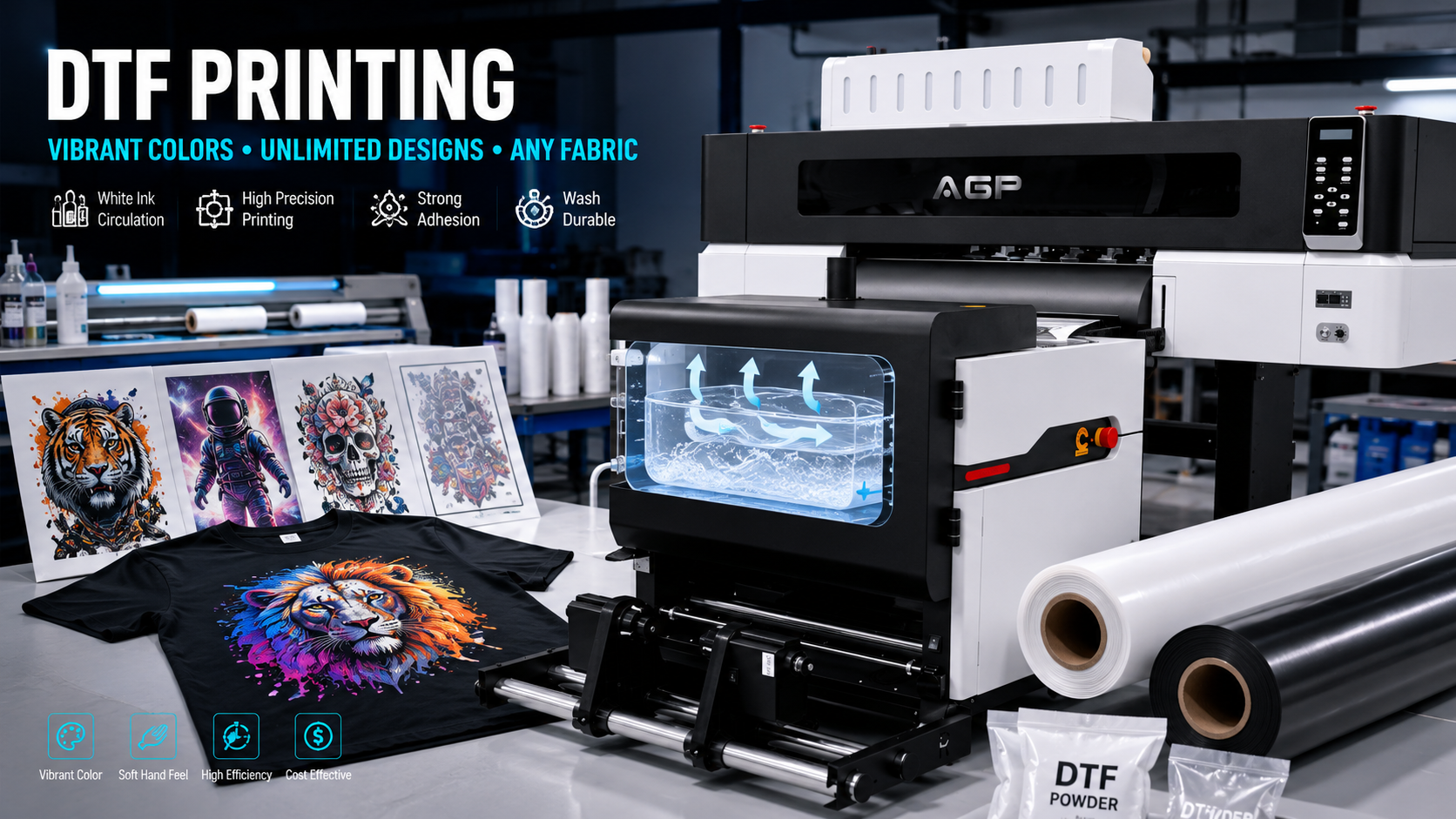
A white ink circulation system (sometimes called a white ink rotator or stirrer) keeps ink continuously moving through one of a few mechanisms:
- Stirring motor: A small motor inside the ink tank keeps the pigment agitated and evenly suspended
- Circulation pump: Continuously pumps ink through a loop between the tank and the print lines, preventing pigment from settling anywhere along the path
- Circulation splitter: Works alongside a pump to create a controlled ink loop, balancing flow rate so the pump isn't overworked
Most modern DTF printers include some form of automatic circulation, but it's worth confirming it's actually enabled and running — a circulation system that's present but switched off or malfunctioning offers no protection at all.
Manual Shaking vs. Automatic Circulation — Which Actually Works?
Shaking a cartridge before printing is better than nothing, but it only agitates ink at the point you shake it — it does nothing for ink already settled downstream in the tubing, dampers, or near the printhead. Automatic circulation solves this by continuously moving ink through the entire path, not just the cartridge, which is why it's the standard for any shop running white ink regularly rather than occasionally.
How Often Should White Ink Circulation Run?
Since settling begins within hours, circulation should ideally run continuously, or at minimum on a timed interval throughout the day — many systems allow scheduling circulation every 30 minutes to a few hours. If your printer will sit idle overnight or over a weekend, confirm circulation continues running in the background rather than shutting off with the rest of the machine, and always run a nozzle check before your first print of the day.
What Should You Do If White Ink Has Already Clogged?
- Run the printer's built-in head cleaning function 2–3 times, checking a nozzle test print after each cycle.
- If clogging persists, use a proper DTF cleaning solution — never alcohol-based cleaners, which can cause DTF ink solvents to evaporate too quickly and worsen clogging.
- Confirm your circulation system is actually running; a broken or disabled circulation pump is the most common root cause of recurring white ink clogs.
- For stubborn clogs, a deeper manual cleaning of the printhead and dampers may be needed — refer to your printer's maintenance guide or contact support.
How Do You Choose the Right White Ink Circulation Solution?
If your printer already includes built-in circulation, the priority is verifying it's active and functioning correctly — check for connected tubing between the ink tank and a pump loop, and confirm your control software shows circulation as running. If you're upgrading an older machine or one without reliable built-in circulation, an add-on white ink rotator or stirring system is a worthwhile investment for any shop printing white ink daily.
Circulation Method Comparison
| Method | How It Works | Effectiveness |
|---|---|---|
| Manual shaking | Operator shakes the cartridge by hand before printing | Low — only agitates ink at the cartridge, not downstream |
| Stirring motor | Small motor continuously agitates ink inside the tank | Good — keeps tank-level ink suspended |
| Circulation pump / rotator | Continuously loops ink through tank and print lines | Best — protects the entire ink path, not just the tank |
White Ink Settling Risk by Idle Time
| Idle Time | Settling Risk | Recommended Action |
|---|---|---|
| Under 1 hour | Low | Normal operation with active circulation |
| A few hours | Moderate | Confirm circulation is running; run a nozzle check before next print |
| Overnight | High | Circulation should continue running in the background; test print before use |
| Weekend / multi-day | Highest | Verify circulation stayed active; run multiple cleaning cycles before first print |
Conclusion: Protecting Your Printer Starts with White Ink Management
White ink clogging isn't really a hardware flaw — it's a predictable consequence of how titanium dioxide behaves in ink, and it responds directly to how well that ink is kept moving. Confirming your circulation system is active, scheduling it to run regularly, and avoiding shortcuts like alcohol-based cleaners will prevent the majority of white ink problems before they start.
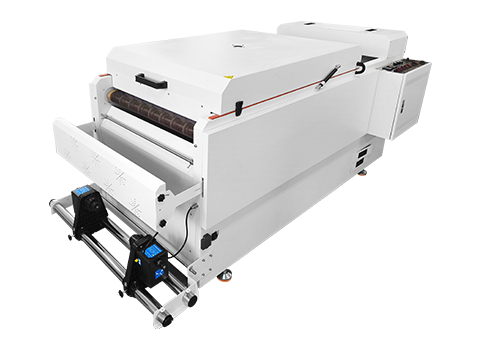
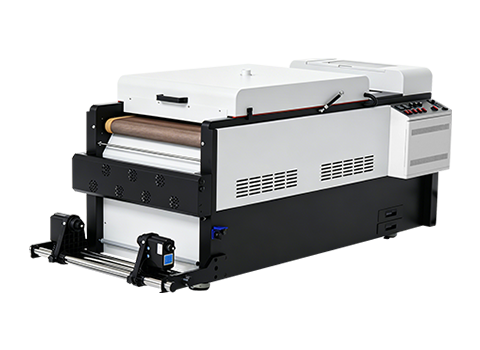
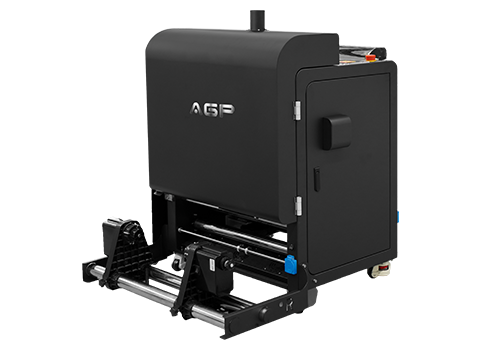
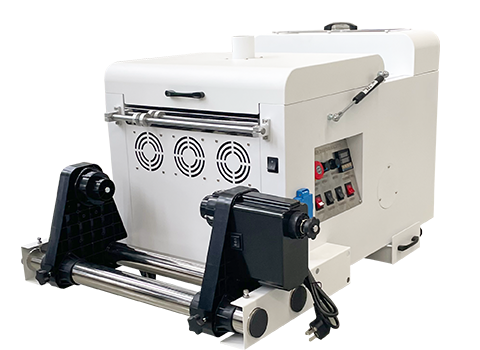
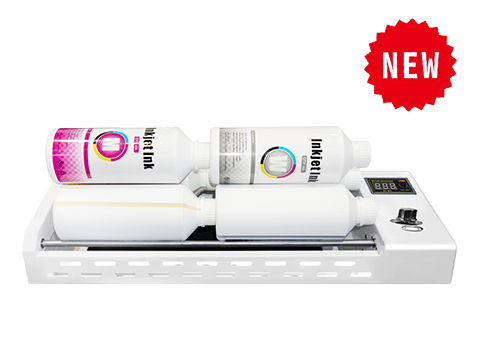
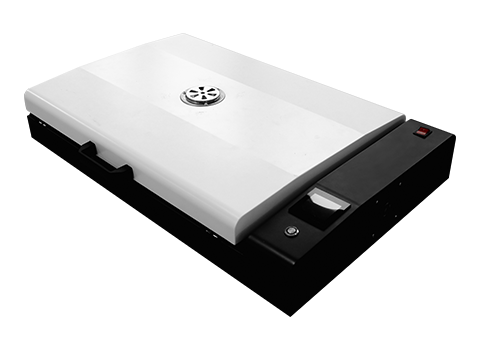
AGP's IM-6/IM-4 DTF White Ink Rotator is built to keep white ink continuously agitated and evenly suspended, reducing clogs and extending printhead life across our full range of DTF printers. Contact our team if you'd like help matching a circulation solution to your printer setup.
FAQ: DTF White Ink Circulation Questions
Why does DTF white ink clog more than color ink?
White ink contains titanium dioxide, a much denser pigment than the dyes used in CMYK ink, causing it to settle and separate far faster when the printer is idle.
How quickly does white ink start settling?
Settling can begin within just a few hours of inactivity, which is why white ink clogs are especially common after overnight or weekend downtime.
Is shaking the cartridge enough to prevent clogging?
No. Shaking only agitates ink at the cartridge itself — it doesn't reach ink that has already settled in the tubing, dampers, or near the printhead, which is why continuous circulation is more reliable.
How do I know if my white ink circulation system is working?
Check that tubing is connected between the ink tank and a pump loop, confirm your control software shows circulation as active, and run a nozzle check — inconsistent white output is a common sign the system isn't functioning.
Can I use alcohol to clean a white ink clog?
No. Alcohol-based cleaners cause the solvents in DTF ink to evaporate too quickly, which can worsen clogging rather than clear it — always use a cleaning solution designed for DTF ink systems.
Should circulation run all the time, or just before printing?
Ideally, circulation should run continuously or on a frequent timed interval throughout the day, and continue in the background even when the printer isn't actively printing, especially overnight or over weekends.
Do all DTF printers come with built-in white ink circulation?
Most modern DTF printers include some form of circulation, but not all have it enabled by default — it's worth checking your printer's settings, and older machines without reliable built-in circulation can be upgraded with an add-on rotator or stirring system.