
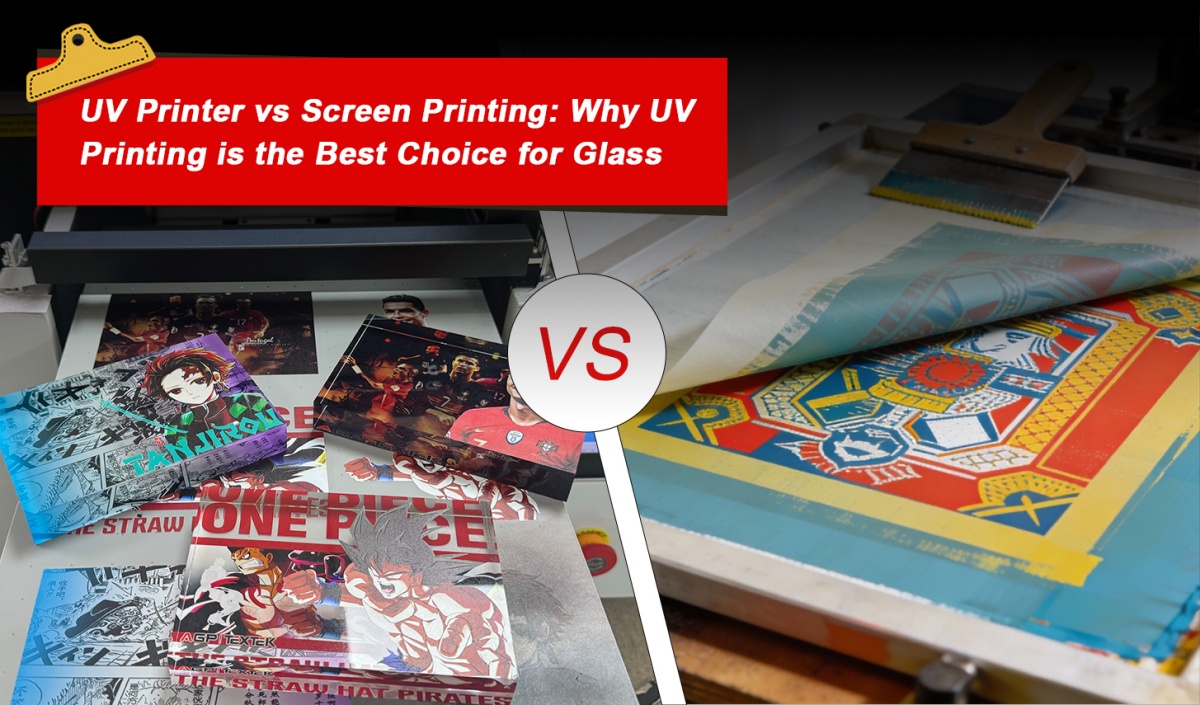
UV Printer vs Screen Printing: Why UV Printing is the Best Choice for Glass
Printing on glass has always been a sought-after technique for custom applications, from decorative glass to functional signage. While screen printing has traditionally been the method of choice, UV printing has surged ahead with its versatility, efficiency, and precision. But why is UV printing now considered the go-to solution for printing on glass? In this article, we’ll explore the advantages of UV printing over traditional methods, its applications, and why it’s revolutionizing the glass printing industry.
What Is UV Printing and How Does It Work?
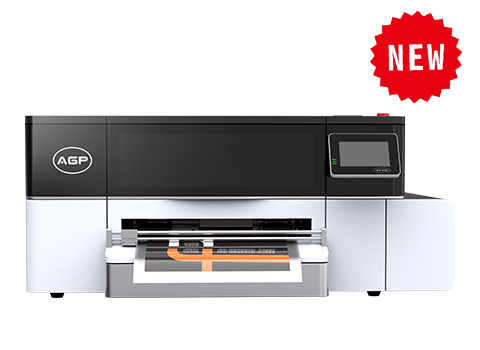
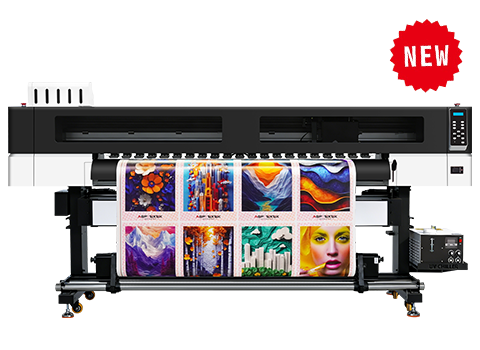
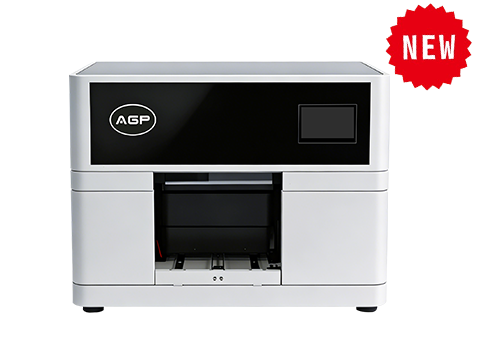
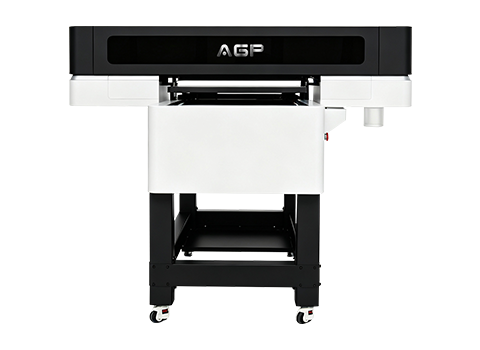
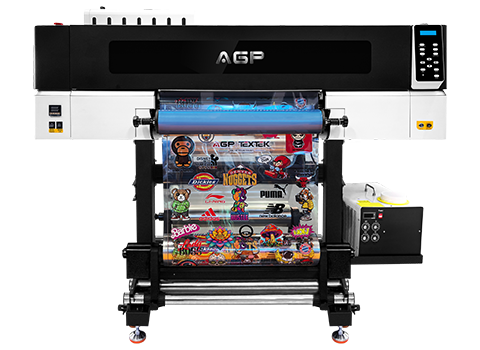
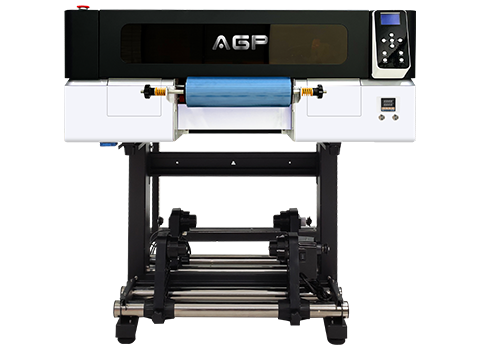
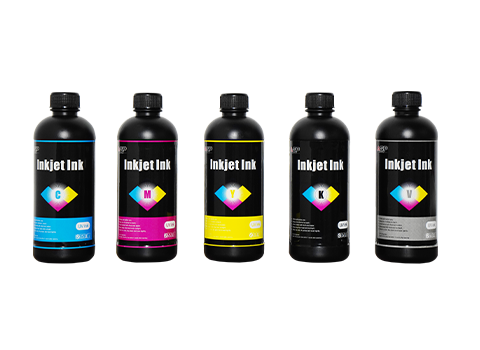
UV printing is a modern digital printing method that uses ultraviolet (UV) light to cure inks as they are printed. The UV printer directly prints onto various substrates, including glass, with the ink immediately curing under UV light, ensuring vibrant colors and a durable finish.
What Is Screen Printing?
Traditional screen printing, on the other hand, uses stencils or "screens" to transfer ink onto glass. For each color in the design, a separate screen is used, making the process slower and more complex when dealing with multi-colored prints. Although it's been the go-to method for printing on glass, it’s being rapidly replaced by more efficient methods like UV printing.
Key Differences Between UV Printing and Screen Printing on Glass
1. Design Complexity
UV printing excels at handling intricate, multi-colored designs with fine details. Unlike screen printing, which can only print one color at a time, UV printing allows for the simultaneous use of multiple colors, including gradients and detailed patterns.
2. Speed and Efficiency
When compared to traditional screen printing, UV printing is far faster. With UV printers, there’s no need to create separate screens for each color. Designs can be printed directly onto the glass surface in a single pass, making UV printing ideal for both small and large production runs.
3. Durability and Adhesion
UV printing offers superior adhesion and durability compared to screen printing. UV inks cure instantly under UV light, making them more resistant to fading, scratching, and weather damage. This makes UV printing especially suitable for glass used in outdoor signage or decorative glass that needs to withstand prolonged exposure to sunlight.
4. Cost-Effectiveness
UV printing doesn’t require the setup costs associated with screen printing, such as making multiple screens for each design. This makes UV printing more cost-effective, particularly for small to medium production runs.
Benefits of UV Printing on Glass
1. High Resolution and Detail
UV printers offer high resolution, allowing for highly detailed and vibrant prints on glass. Whether you're printing intricate logos, small text, or complex images, UV printing ensures that every detail is crisp and clear.
2. Versatile Applications
UV printing is versatile and can be applied to a wide range of glass products. It’s suitable for both decorative and functional glass, including windows, glass doors, signage, and promotional items. Businesses can print high-quality designs, patterns, or even photographs directly onto glass surfaces.
3. Environmental Friendliness
Unlike traditional printing methods that often use solvents and chemicals, UV printing is more eco-friendly. UV ink is free from volatile organic compounds (VOCs), making it a cleaner, safer option for businesses and consumers.
4. Long-lasting Results
UV-printed designs are UV-resistant, preventing fading over time. The printed graphics stay vibrant for years, even under direct sunlight, making UV printing the best choice for long-lasting glass prints.
How to Print on Glass Using a UV Printer
Step 1: Design Creation
The first step is designing the artwork using design software. Once completed, the design is transferred to the UV printer through RIP software. Proper formatting ensures smooth printing without distortion.
Step 2: Glass Preparation
Before printing, the glass surface must be thoroughly cleaned. This ensures that the ink adheres properly and the final print has sharp, clear details.
Step 3: UV Printing
Once the glass is prepped, the UV printer transfers the design onto the surface. The printer uses ultraviolet light to cure the ink instantly, creating a durable and vibrant print.
Step 4: Post-Processing
After the printing process, the printed glass product is inspected for quality. Depending on the application, further treatments like coating or additional curing might be applied for enhanced durability.
Applications of UV Printing on Glass
1. Decorative Glass
UV printers can produce stunning glass decor with intricate patterns, textures, and vibrant colors. Whether you're creating decorative glass panels, picture frames, or glass art, UV printing allows for limitless design possibilities.
2. Architectural Glass
In architecture, UV printing is revolutionizing the design of glass facades, partition walls, and even glass furniture. Architects can now print custom patterns that complement the overall design of the building, making it both functional and aesthetically appealing.
3. Functional Glass Products
UV printing is also applied to functional glass products, such as glass doors, windows, and partitions. Businesses can print privacy patterns, anti-counterfeiting features, or custom logos directly onto the glass.
4. Promotional Items and Signage
For promotional and branding purposes, UV printing is ideal for printing logos, custom designs, or brand messages on glass products such as bottles, cups, or signage. It provides a professional and durable finish that’s perfect for business marketing.
Conclusion: Why Choose UV Printing for Glass?
UV printing on glass has become the preferred method for many businesses due to its superior quality, speed, and cost-effectiveness. Whether you're looking to create decorative glass products, functional glass for architecture, or promotional items, UV printing provides vibrant, long-lasting results with minimal setup and lower costs compared to traditional screen printing.
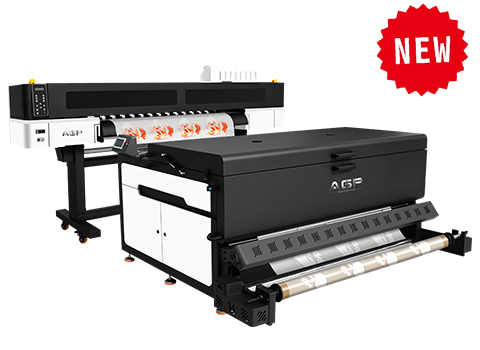
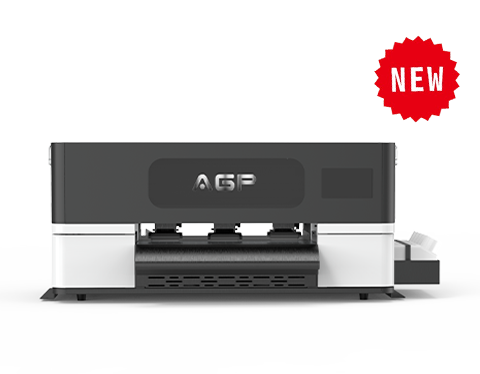
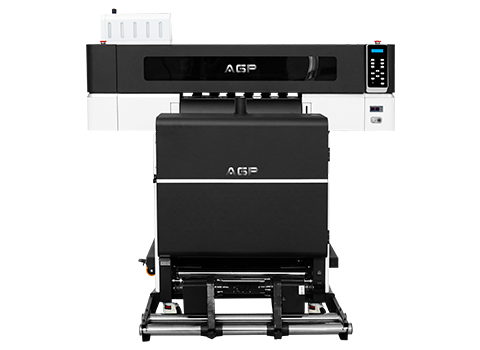
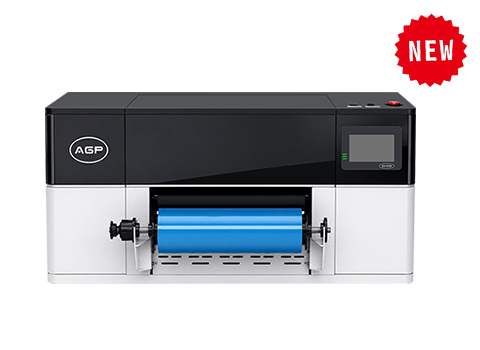
AGP’s UV printers are designed to meet the growing demands of glass printing, offering cutting-edge technology that ensures precise and high-quality results. Whether you're printing on glass for the first time or looking to upgrade your production process, AGP’s UV printers are the perfect solution for your business.