
How to choose DTF PET film?
Quick Answer: A good DTF PET film should score well on six factors: ink absorption, coating uniformity, powder-shaking cleanliness, easy release, storage stability, and high-temperature resistance. Beyond quality, you also need to match the peel type (hot peel for speed, cold peel for fine detail) and the film width to your DTF printer's print head size.
Choosing the right DTF PET film is one of the decisions that most directly affects your printing quality and production cost. With dozens of film types on the market — cold peel, hot peel, glossy, matte, glitter, gold — it's easy to feel overwhelmed. This guide breaks the decision down into clear, checkable factors so you can choose with confidence.
What Is DTF PET Film and Why Does the Choice Matter?
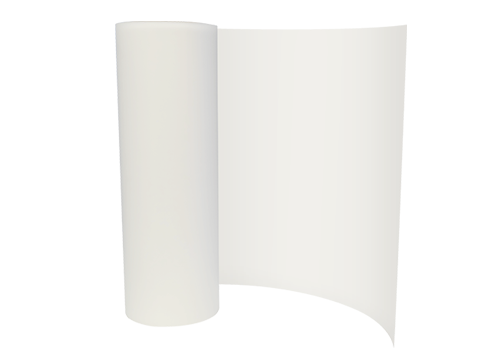
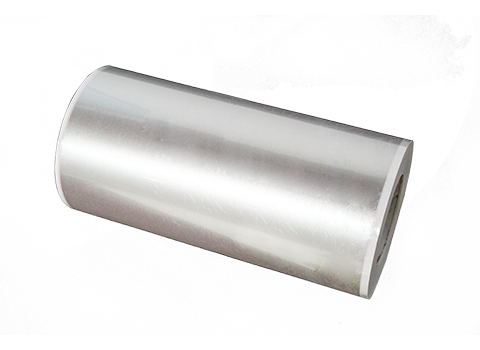
DTF PET film is the transfer medium used in Direct-to-Film printing: a design is printed onto the film with a DTF printer, coated with hot-melt powder, cured, and then heat-pressed onto fabric to complete the transfer. Unlike ordinary PET packaging film, DTF transfer film carries a special ink-receptive coating that gives it a matte, slightly frosted surface instead of a clear one.
The film quality directly determines whether your print comes out sharp and durable, or smudged and prone to peeling. A poor film wastes ink, damages garments, and can even contaminate your printer's print head — so getting this choice right protects both your output quality and your equipment.
What Are the 6 Key Factors for Choosing a DTF Film?
Six practical checks separate a reliable DTF film from a problematic one:
- Ink absorption: A film with weak ink-absorbing coating causes white ink and color ink to mix or run on the surface.
- Coating uniformity: An even, fine coating gives high ink loading, sharp fine lines, and a stable release layer; uneven coating repels ink and stains both the printer and the garment.
- Powder-shaking cleanliness: A film with good shaking behavior leaves clean pattern edges with no stray powder residue after the hot-melt powder step.
- Release performance: A properly formulated film tears away cleanly after lamination without damaging the printed pattern; a poor one is hard to peel or lifts the design with it.
- Storage stability: Quality film stays clean and unaffected by oil or moisture migration, even after extended storage.
- Heat resistance: Since hot-melt powder begins melting above roughly 80°C, the base film must survive oven curing without yellowing or curling — a common quality test is holding the film at 120°C to check for warping.
Before placing a bulk order, request a small sample and run these six checks yourself — it takes a few minutes and can save an entire production batch.
Hot Peel vs. Cold Peel DTF Film — Which Should You Choose?
Beyond raw quality, every DTF PET film falls into one of two release categories, and this choice affects your workflow speed as much as your final print quality.
Hot peel film uses a wax-based release layer that softens under heat, letting you tear the backing away within seconds of pressing — ideal when speed matters most. Cold peel film uses a more stable silicone-based release layer that only lets go once the print has cooled to room temperature, giving cleaner results on textured or delicate fabrics.
DTF Film Selection Data at a Glance
| Property | Hot Peel Film | Cold Peel Film |
|---|---|---|
| Release layer material | Wax-based | Silicone-based |
| Typical press temperature | ~140–160°C | ~150–170°C |
| Peel timing | Immediately, while hot | After cooling to room temperature |
| Production speed | Faster — no wait time | Slower — requires cooling |
| Best for | High-volume orders, simple/large designs | Fine detail, textured fabrics (canvas, denim, coated cloth) |
| Typical cost | Higher (stricter coating process) | Lower |
Quality Checklist: 6 Factors at a Glance
| Factor | What to Check | Sign of Poor Quality |
|---|---|---|
| Ink absorption | Print a color-dense sample and inspect edges | Ink mixing or running on the surface |
| Coating quality | Check surface evenness under light | Blotchy patches, ink repelling off film |
| Powder shaking | Shake powder and check pattern edges | Loose powder residue around design |
| Release effect | Peel a test press | Hard to tear, or pattern lifts with film |
| Storage stability | Store a sample roll for 2–4 weeks | Oily surface, moisture spots |
| Heat resistance | Test at 120°C | Yellowing or curling of the base film |
What Are the Different Types of DTF Film?
Once you've confirmed quality and peel type, DTF films also come in visual/functional variants:
- Glossy (single-side coated) film — smooth on the back, easy for beginners to identify the printing side
- Matte (double-side coated) film — added back-side texture for better stability and less sliding during printing
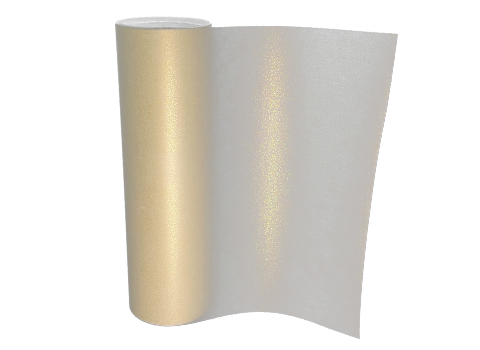
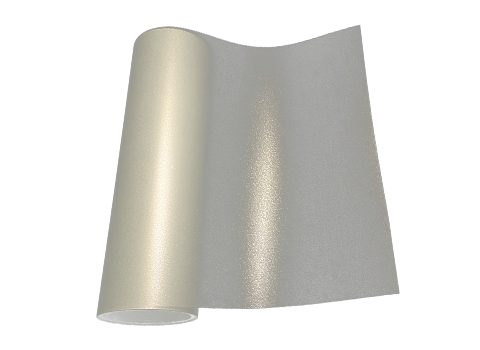
- Glitter film — glitter particles built into the coating for a sparkling finish
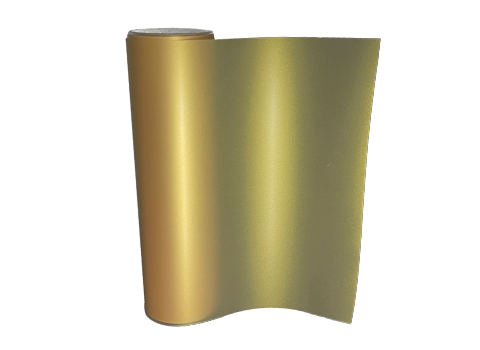
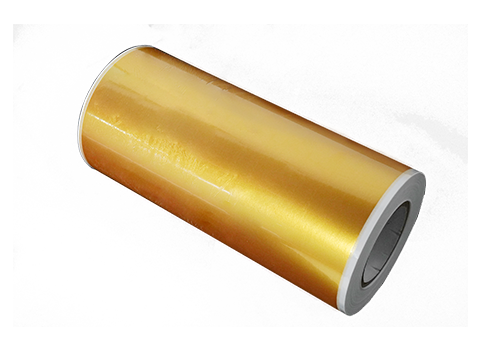
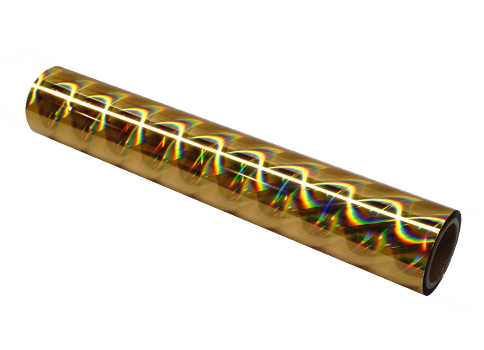
- Gold film — coated with gold glitter for a metallic, luxury hot-stamp effect
- Reflective color film — shows a color-shifting effect under light, popular for personalized designs
- Luminous film — glows in the dark, common for apparel, bags, and shoes
- Gold/silver foil film — a metallic finish with strong wash durability
- Fluorescent film — paired with fluorescent DTF ink for a neon effect
How Do You Match DTF Film Width to Your Printer?
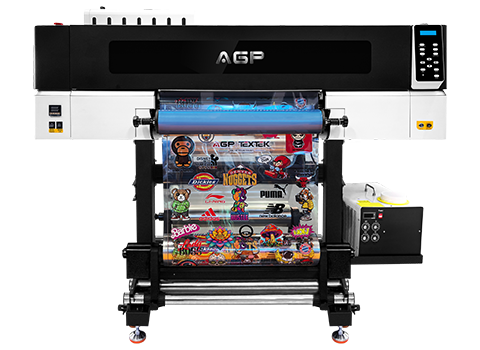
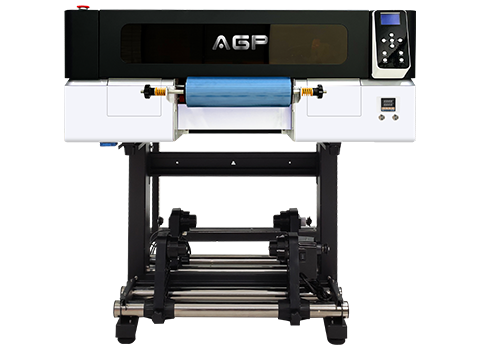
Film width must match your DTF printer's print head — common sizes include 30cm, 40cm, and 60cm formats. Using a film wider than your printer supports wastes material; using one that's too narrow limits your design size. Always check your printer's maximum print width before ordering film in bulk.
Conclusion: Choosing the Right DTF Film
Six factors — ink absorption, coating quality, powder-shaking cleanliness, release performance, storage stability, and heat resistance — determine whether a DTF film will perform reliably in production. On top of that, matching peel type and film width to your workflow and printer prevents wasted materials and production delays.
To make sure every print comes out right, AGP offers high-quality DTF PET film across hot peel, cold peel, and specialty finishes — contact our team for free samples or to find the right film for your printer and production scale.
FAQ: DTF PET Film Selection Questions
What's the difference between hot peel and cold peel DTF film?
Hot peel film uses a wax-based coating that lets you tear the backing off within seconds while still hot; cold peel film uses a silicone-based coating that requires cooling to room temperature before peeling, offering finer detail retention.
What temperature should DTF film be able to withstand?
A quality DTF base film should not yellow or curl at around 120°C, since curing ovens and heat presses regularly operate in this range during production.
Can DTF film be used on all fabric types?
Yes. DTF printing works on cotton, polyester, canvas, denim, and knitwear, since the design transfers as a surface film rather than bonding directly with specific fiber types.
How do I test DTF film quality before a bulk order?
Request a small sample, print a color-dense test pattern, shake on hot-melt powder, cure, and press it — then check ink absorption, edge cleanliness, and how easily the backing releases.
Which type of DTF film is best for beginners?
Glossy, single-side coated film is generally easiest for beginners, since the smooth, uncoated back makes it simple to identify the correct printing side.
Does DTF film have a shelf life?
Yes. Even unused film can degrade if stored improperly — oil or moisture migration onto the coating over time can affect print quality, so proper sealed storage matters.
How do I know what film width to buy?
Match the film width to your DTF printer's maximum print head width (commonly 30cm, 40cm, or 60cm) to avoid wasted material or restricted design size.