

Sublimation Printing Cost Explained: How to Calculate Cost Per Print for Your Business?
Quick Answer: Sublimation printing cost per print = consumables cost (ink + paper + substrate) + operational cost (labor + electricity + maintenance) + equipment depreciation. For apparel, total cost per print typically lands between USD 5–8 depending on garment cost and labor rate; for smaller items like mugs, it's usually USD 2–4. The exact number depends on your equipment, consumables supplier, and local labor cost.
Sublimation printing has become one of the most reliable production technologies in the customized printing market. From polyester apparel and sportswear to mugs, photo panels, aluminum sheets and coated hard substrates, sublimation printing offers unmatched color vibrancy, smooth gradients and long-term durability.
The real challenge is not whether sublimation printing is expensive, but whether you understand how to calculate the true sublimation printing cost accurately — and use that data to build a profitable pricing strategy. This guide walks through a complete, professional cost structure so you can calculate your own cost per print.
What Is Sublimation Printing and Why Does Cost Control Matter?
Sublimation printing is a digital heat-transfer process in which sublimation ink is first printed onto transfer paper using a sublimation printer, then transferred onto a coated or polyester-based substrate through a heat press machine. Under high temperature and pressure, the ink sublimates into gas and bonds permanently with the coating or polyester fibers.
This makes sublimation printing widely used for garment printing, sportswear production, personalized gifts, ceramic and metal photo products, and customized home décor. Businesses that skip structured cost calculation often underestimate expenses and overestimate their real profit margin.
What Makes Up the Real Cost of Sublimation Printing?
In manufacturing accounting, total sublimation printing cost is composed of four parts, and every print should carry its proportional share of each:
- Equipment cost — sublimation printer and heat press, spread across their expected lifetime output
- Consumables cost — ink, transfer paper, and substrate (blank product)
- Labor cost — design, printing, pressing, inspection, and packaging time
- Operational and overhead cost — electricity, maintenance, rent, and admin expenses
How Much Does Sublimation Printing Equipment Cost?
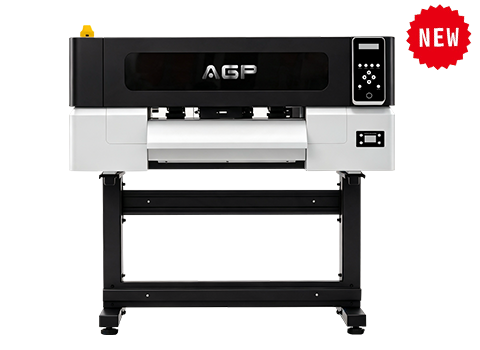
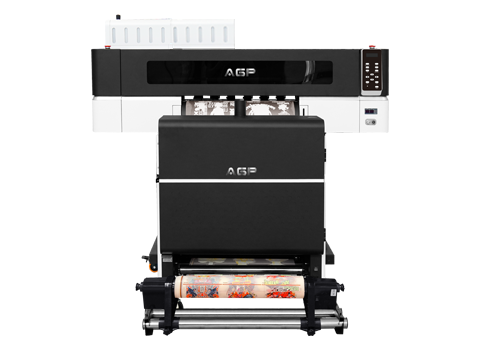
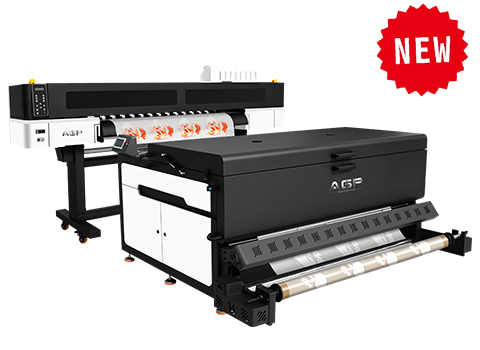
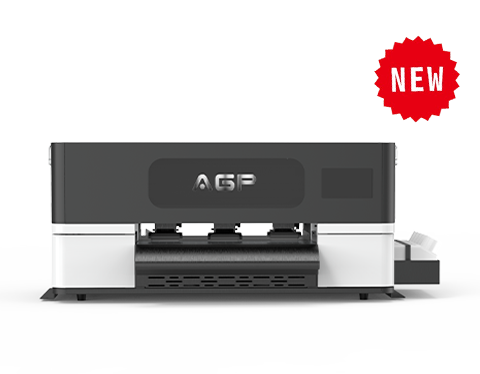
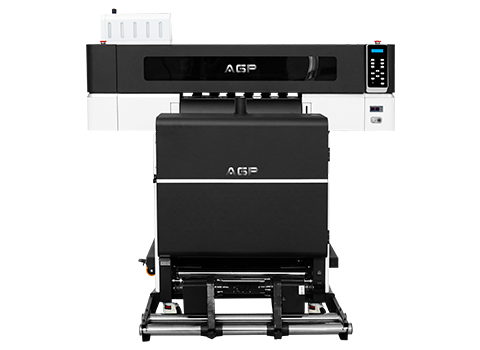
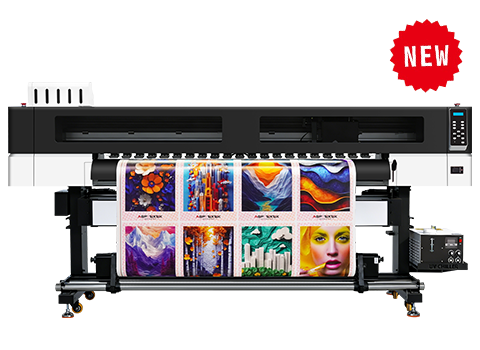
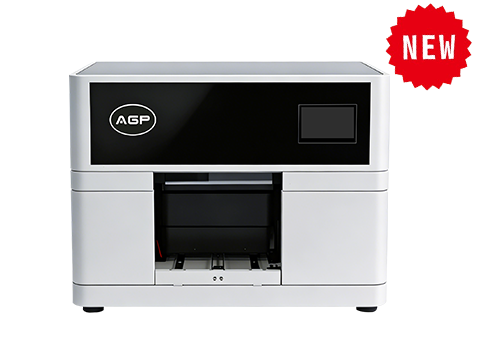
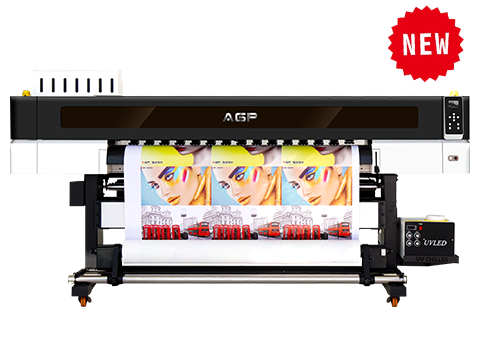
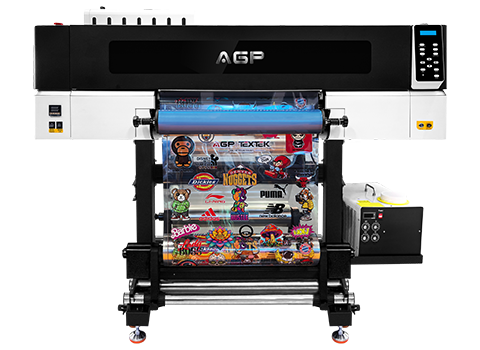
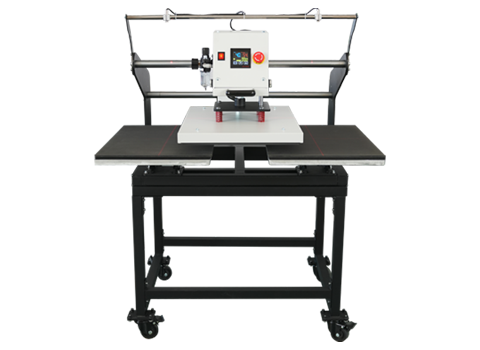
The two essential machines are a sublimation printer and a heat press machine. Pricing depends heavily on print width, speed, resolution, and intended production scale — a small studio focused on personalized, low-volume orders needs far less machine than a factory targeting sportswear mass production.
| Equipment | Entry-Level | Mid-Range | Industrial |
|---|---|---|---|
| Sublimation printer | A few hundred USD (desktop) | USD 1,000–3,000 | USD 3,000+ (large-format) |
| Heat press | USD 100–300 (flat press) | USD 300–2,000 (mug/pneumatic) | USD 2,000+ (rotary/roll-to-roll) |
| Best for | Startups, POD sellers | Small-to-medium print shops | Apparel factories, mass production |
How Much Do Sublimation Ink, Paper, and Substrates Cost?
Consumables form the most visible and directly measurable part of sublimation printing cost:
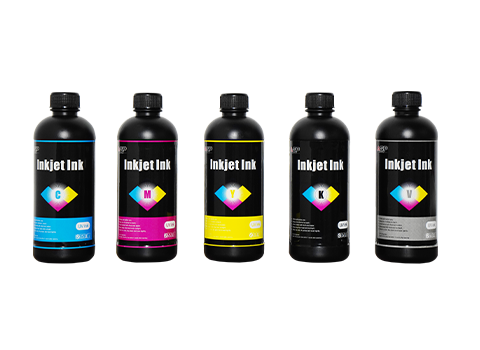
- Sublimation ink: pricing varies by brand and printer platform. To calculate ink cost per print, divide total ink cost by the total number of printable outputs it yields.
- Sublimation paper: typically ranges from USD 0.20–1.00 per sheet depending on coating quality and drying performance.
- Substrate: often the single largest consumable cost — polyester T-shirts commonly run USD 3–5, while ceramic mugs run USD 1–4.
How Do You Calculate Labor and Overhead Cost Per Print?
Labor cost is frequently underestimated in small sublimation businesses. A typical workflow includes design and file prep, paper printing, heat press operation, and finishing/inspection/packaging. Even for owner-operated shops, your own production time is a real cost that must go into your pricing model.
On top of labor, factor in electricity (printer and heat press power draw × hours run × your local rate), equipment maintenance (spread annual servicing budget across projected output), and overhead (rent, utilities, insurance, admin) proportional to how much of your operation sublimation printing represents.
How Do You Calculate Total Sublimation Printing Cost Per Print?
The formula:
Total cost per print = Consumables cost + Labor cost + Operational cost + Equipment depreciation
Here's a worked comparison across two common product types:
| Cost Item | Polyester T-Shirt | Ceramic Mug |
|---|---|---|
| Ink cost per print | USD 0.40 | USD 0.25 |
| Paper cost per print | USD 0.25 | USD 0.15 |
| Substrate cost | USD 4.20 | USD 2.00 |
| Subtotal: Consumables | USD 4.85 | USD 2.40 |
| Electricity per print | USD 0.15 | USD 0.10 |
| Maintenance per print | USD 0.15 | USD 0.10 |
| Labor (rate × time) | USD 12/hr × 0.08 hr = USD 0.96 | USD 12/hr × 0.05 hr = USD 0.60 |
| Subtotal: Operational | USD 1.26 | USD 0.80 |
| Total Cost Per Print | USD 6.11 | USD 3.20 |
These figures are illustrative reference ranges. Ink, paper, substrate, and labor costs vary by supplier, region, and equipment — recalculate with your own numbers for an accurate pricing baseline.
How Can You Reduce Sublimation Printing Cost Without Sacrificing Quality?
Cost control in sublimation printing is not about using cheaper materials blindly. Professional print businesses focus on:
- Optimizing ink consumption through color management
- Reducing waste during test prints
- Selecting stable, compatible sublimation printer platforms
- Improving workflow efficiency to cut labor time per print
- Minimizing rework caused by transfer errors
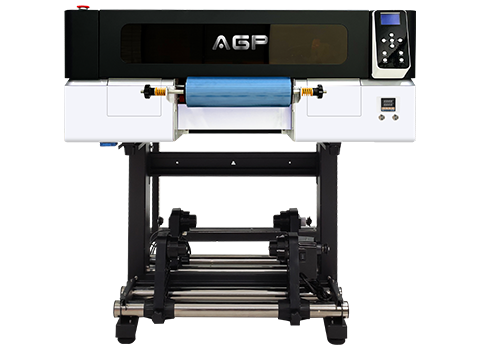
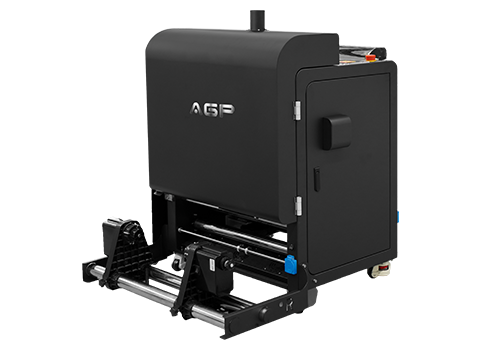
Stable hardware and consumables compatibility often reduce hidden costs such as head clogging, transfer failures, inconsistent output, and downtime losses — which is why many professional users choose reliable equipment manufacturers such as AGP.
Conclusion: Building a Sustainable Sublimation Printing Cost Model
Sublimation printing does not have a single fixed cost — it depends on equipment configuration, consumables selection, production workflow, labor structure, and operational environment. By systematically calculating equipment depreciation, ink and paper usage, substrate cost, labor time, and overhead expenses, you can determine your real cost per print and build a sustainable pricing strategy.
AGP provides professional sublimation printing equipment for apparel and promotional products, along with production consulting support. If you still have questions about equipment selection or cost optimization strategies, contact AGP for a customized sublimation printing solution.
FAQ: Sublimation Printing Cost Questions
How much does sublimation printing cost per print?
For apparel, total cost per print typically falls between USD 5–8; for smaller items like mugs, it's usually USD 2–4, depending on ink, paper, substrate, labor, and equipment depreciation.
Why does cost per print differ between T-shirts and mugs?
Substrate cost is usually the largest line item, and blank T-shirts cost more than blank mugs — plus larger designs use more ink and take longer to press, adding to both consumables and labor cost.
What markup should I apply to sublimation products?
Many sublimation businesses apply a 3x–5x markup over total production cost, with higher multiples common for personalized, one-of-a-kind designs where perceived value is greater.
Is sublimation printing cheaper than DTF printing?
Sublimation typically has lower per-print ink cost on polyester items, but DTF works on more fabric types (including cotton) and doesn't require a coated substrate — the cheaper option depends on your product mix.
What's the biggest hidden cost in sublimation printing?
Labor and rework are the most commonly underestimated costs — owner-operated shops often forget to price in their own time, and transfer errors from unstable equipment silently eat into margins.
Does equipment quality affect long-term cost per print?
Yes. Unstable printers or heat presses increase head clogging, failed transfers, and downtime, all of which raise your effective cost per print well beyond the sticker price of consumables.
How often should I recalculate my sublimation printing cost?
Recalculate whenever ink, paper, or substrate suppliers change price, or at least quarterly, since consumable and electricity costs can drift enough to erode your margin unnoticed.