
From Screens to Film: Why DTF Printing Is the Future of Custom Apparel
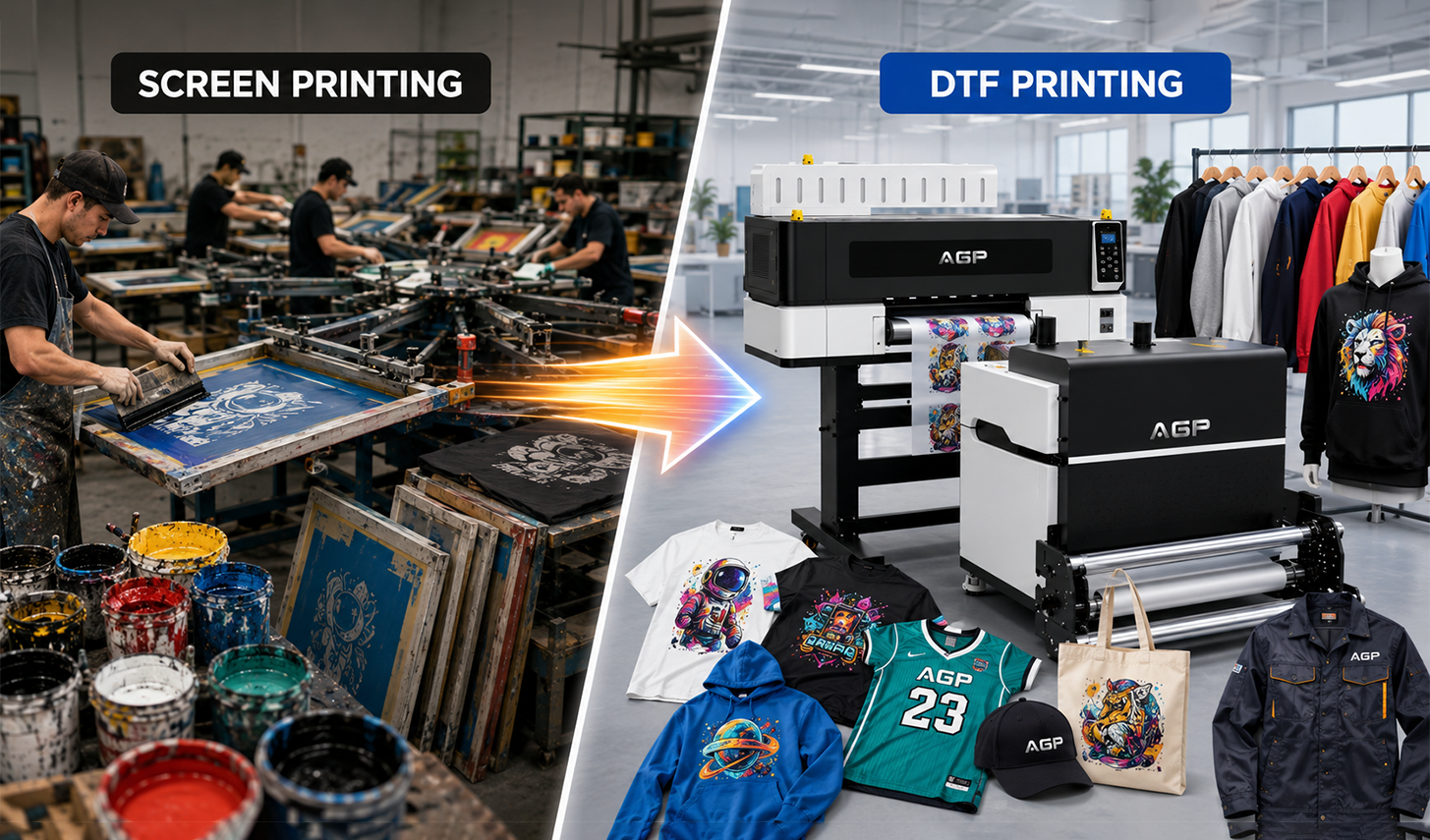
Walk into most custom apparel businesses five years ago and screen printing was the default. It was how the industry worked. Today, the picture is shifting fast. More and more print shop owners — and the distributors who supply them — are having serious conversations about DTF printing vs screen printing, and the momentum is clearly moving in one direction.
That's not to say screen printing is going away entirely. But for businesses that need to handle short runs, diverse fabrics, complex designs, and fast turnarounds, direct-to-film printing is increasingly the smarter choice. If you're a distributor recommending equipment to print shops, understanding exactly why this shift is happening — and being able to articulate it clearly — is a genuine competitive advantage.
This guide breaks it all down.
What's Actually Driving the Shift from Screen Printing to DTF?
The short answer is that the market has changed, and screen printing hasn't changed with it.
Buyers today want personalized, small-batch, fast-turnaround orders. They want one hoodie with a custom name, or twenty shirts in twenty different designs, delivered in a few days. That's not a niche request anymore — it's become the dominant demand pattern for a large portion of the custom apparel decoration market, driven by e-commerce, social media, and the broader shift toward personalization in consumer culture.
Screen printing was built for a different era. It excels at high-volume, low-variation runs where the setup cost gets amortized across hundreds or thousands of identical pieces. That model still works for certain clients. But for the growing segment of buyers who want flexibility, speed, and customization, screen printing creates friction at every step.
On-demand garment printing via DTF removes that friction. No screens, no setup per job, no minimum order requirements, no color limitations. The technology fits the market that actually exists right now — which is why adoption has been accelerating so consistently across the industry.
Setup Costs and Complexity: Where Screen Printing Falls Short
To really understand the DTF printing vs screen printing comparison, you have to look at what screen printing actually requires before a single shirt gets printed.
Every color in a design needs its own screen. Each screen has to be coated with emulsion, exposed with the design, washed out, and dried before it can be used. If a client wants a five-color graphic, that's five screens to prepare. If they change the design — or come back with a new order with a slightly different version — the process starts over.
That setup process takes time and skilled labor. It generates chemical waste. It requires dedicated space for washout booths, exposure units, and drying racks. And none of that labor or time generates any revenue — it all happens before the first shirt is printed.
With DTF transfer printing, setup is essentially zero. A design gets loaded into the RIP software, the printer runs the transfer onto PET film, and the operator heat presses it onto the garment. The whole process from file to finished piece is faster, simpler, and requires far less specialist knowledge. For a client who runs a lean operation or employs generalist staff rather than experienced screen printers, that difference is enormous.
DTF Printing Handles Small Orders Without Killing Your Margins
Here's one of the most practical realities of the screen printing setup cost problem: small orders simply don't make financial sense on screen printing equipment.
When you factor in screen preparation, ink mixing, makeready time, and cleanup, a run of ten shirts might take two hours of labor before you've printed a single piece. That overhead needs to be covered by the job, which means either charging the client a premium they may not be willing to pay, or absorbing a loss to stay competitive. Neither option is great.
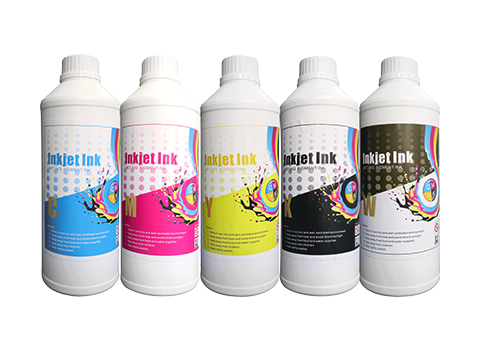
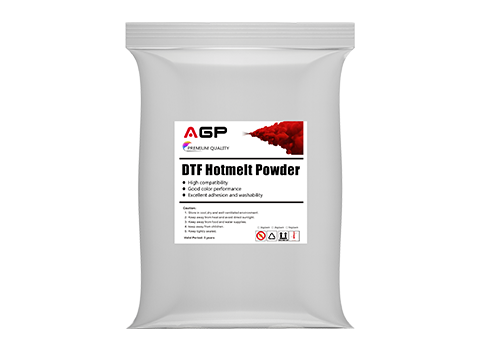
DTF printer for small orders setups flip that equation completely. Because there are no per-job setup costs, a single transfer costs nearly the same to produce as the five hundredth one. The material costs — ink, PET film, adhesive powder — are consistent and predictable regardless of order size. That allows shops to price small runs competitively while still maintaining solid margins.
For shops that serve boutique clothing brands, local sports teams, event organizers, or online storefronts running on-demand garment printing, this is transformative. They can say yes to jobs they currently have to decline or outsource, and they can build recurring relationships with clients who need regular small batches rather than occasional large ones.
Fabric Compatibility: Why DTF Works Where Screen Printing Struggles
Screen printing works best on cotton. That's not a criticism — it's just the reality of how the inks and process interact with fabric. When you move into polyester, performance blends, spandex, tri-blends, or technical fabrics, screen printing gets complicated fast. Specialty inks are required, dye migration becomes a concern, and results can be inconsistent.
DTF fabric compatibility is one of the technology's genuine standout strengths. Because the design is carried on a film with an adhesive layer that bonds to the fabric surface, the printing process doesn't depend on ink soaking into fibers. Cotton, polyester, nylon, spandex, canvas, denim, athletic blends — all of them work with the same inks, the same settings, and the same process.
For shops that serve diverse clients across different apparel categories — sportswear, corporate workwear, fashion, promotional items — that compatibility removes a major operational headache. There's no need to maintain separate ink sets for different fabric types, no need to warn clients about what their chosen garment can or can't handle, and no need to turn away orders because the customer chose a polyester-heavy fabric.
This versatility also makes custom apparel printing businesses much easier to scale. Adding new product categories doesn't require new equipment or new expertise — it's the same machine and the same process across the board.
Print Quality and Full-Color Output — No Extra Screens Required
Ask any screen printer what their most challenging jobs are and you'll hear the same answer: photorealistic images, gradients, and designs with lots of colors. Every additional color in a screen-printed design adds another screen, more setup time, and more potential for registration errors. Getting a ten-color photographic print to look right on a screen printing press is genuinely difficult and expensive.
Full-color DTF prints don't have that problem. The printer outputs the entire design — all colors, all gradients, all fine detail — in a single pass. There's no color limit, no screen registration to worry about, and no simplified palette to keep costs down. A photograph prints as cleanly as a simple two-color logo.
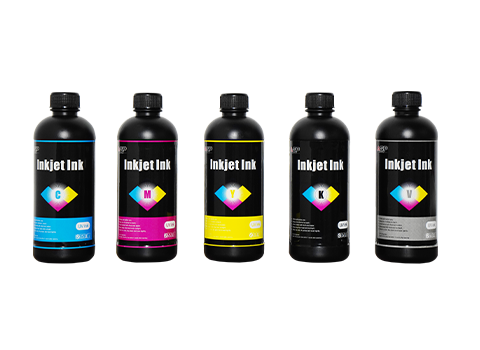
Resolution is strong on quality DTF printers, and the combination of CMYK inks with a white underbase means colors stay vibrant even on dark garments. For shops whose clients regularly bring in complex artwork, brand identity files with dozens of colors, or photo-based designs, the ability to reproduce those accurately without a price penalty is a significant selling point.
It also simplifies the quoting process considerably. With screen printing, pricing depends heavily on color count. With DTF, pricing is driven by transfer size and quantity — a much simpler conversation to have with a client.
Workflow, Space, and Labor: The Operational Advantages of DTF
Beyond the per-job economics, DTF changes how a print shop operates at a structural level — and those changes add up significantly over time.
A screen printing operation needs real estate. Exposure units, washout stations, drying racks, ink storage, press setups — all of it requires dedicated space and specific ventilation. Running a full screen printing operation in a small commercial space or shared studio is genuinely difficult.
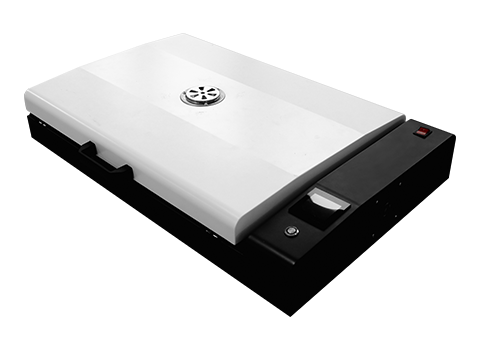
A DTF workflow efficiency setup is compact by comparison. The printer, a powder shaker, and a heat press can fit in a fraction of the space a screen printing setup requires. That opens up location options that simply weren't viable before — smaller commercial units, shared maker spaces, home studios for early-stage businesses.
Labor is another factor. Screen printing requires skilled operators who understand ink mixing, screen exposure, press setup, and registration. Training someone from scratch takes time, and turnover is costly. DTF is far more approachable. A trained operator can manage the full workflow — from design output to finished transfer — without years of specialist experience. That makes staffing more flexible and reduces the cost of onboarding new team members.
Cleanup is also dramatically simpler. Screen printing involves chemicals, solvent-based inks, and significant water usage for washouts. DTF produces minimal waste and requires no chemical cleaning processes. For shops operating in environmentally conscious markets or spaces with water usage restrictions, that's a meaningful practical advantage.
AGP DTF Equipment: The Right Setup for Shops Ready to Make the Switch
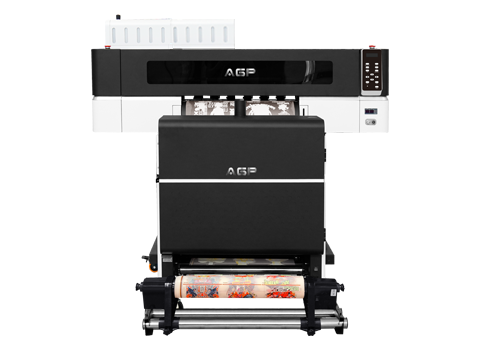
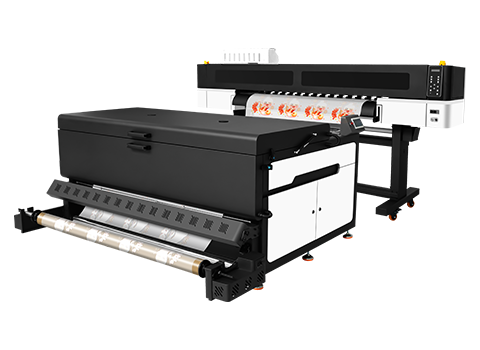
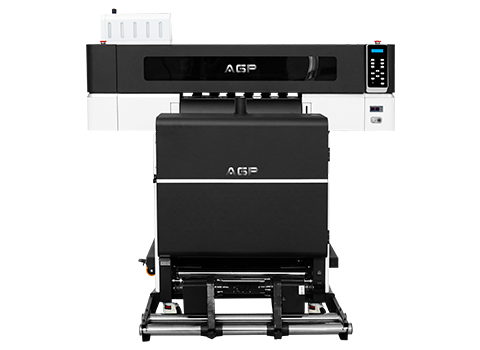
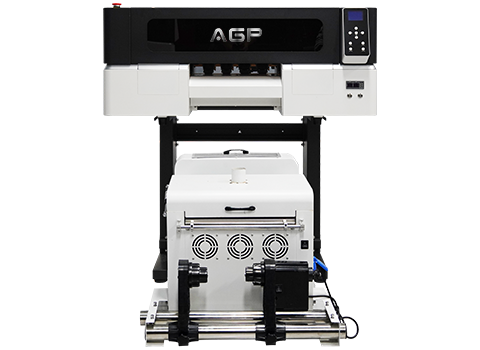
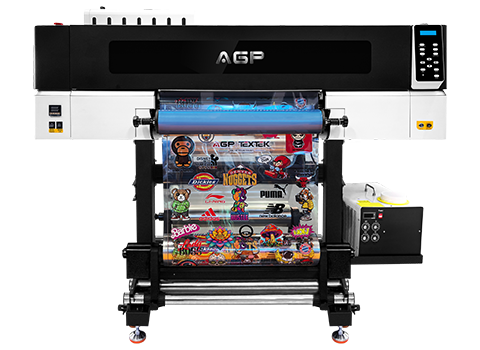
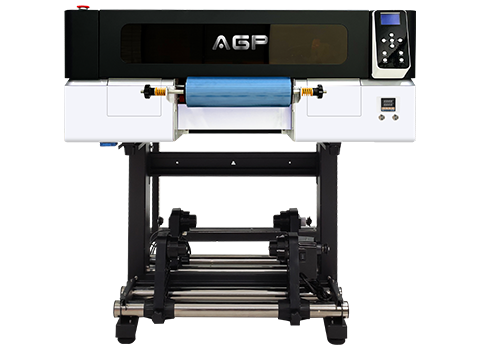
For distributors recommending a switch from screen printing to DTF, AGP offers a complete lineup that covers every production scale — from shops just getting started to high-volume commercial operations.
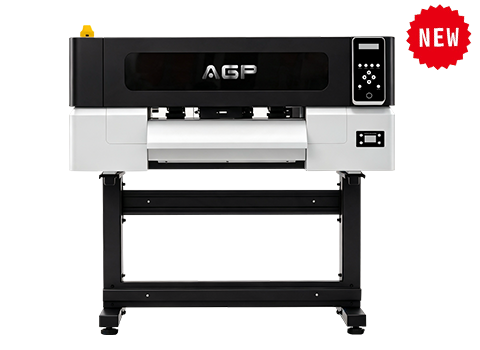
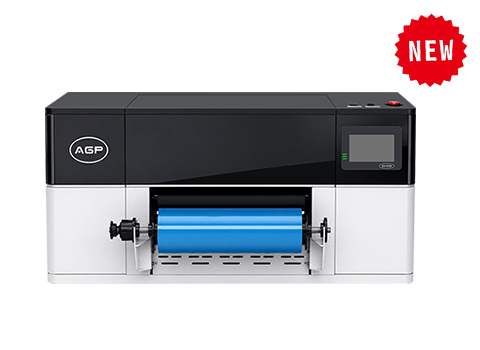
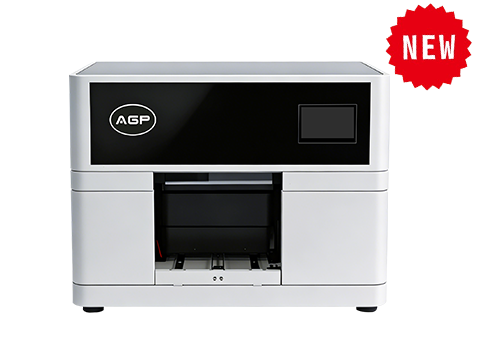
AGP DTF-E30 — A 300mm entry-level machine with the Epson F1080-A1 printhead. Clean, reliable, and easy to operate. The natural starting point for screen printers transitioning to DTF who want to learn the technology without overcommitting on capital.
AGP DTF-E30 T — The upgraded E30 variant for shops that grow quickly and need more capability from their compact machine.
AGP DTF-T30 — A 300mm printer running 2 or 3 Epson I1600-A1 heads, supporting CMYK+W and fluorescent color channels. Ideal for shops serving sportswear or fashion clients where specialty colors matter.
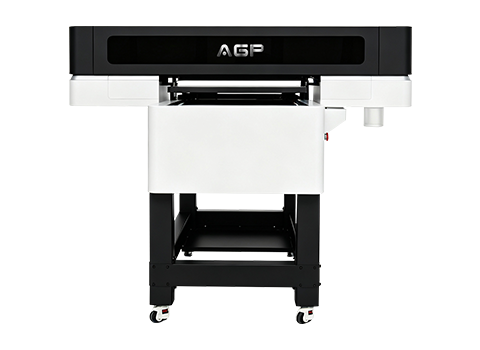
AGP DTF-T652/653/654 — A scalable 600mm series with 2, 3, or 4 Epson I3200-A1 heads. Auto-feeding and take-up system included. The right step-up for shops that have validated their DTF demand and need to increase output capacity.
AGP DTF-T656 — Five or six Epson I3200-A1 heads at 600mm print width. Built for shops running serious daily volumes. If a client is transitioning away from a high-output screen printing operation, this is the DTF machine that matches their production expectations.
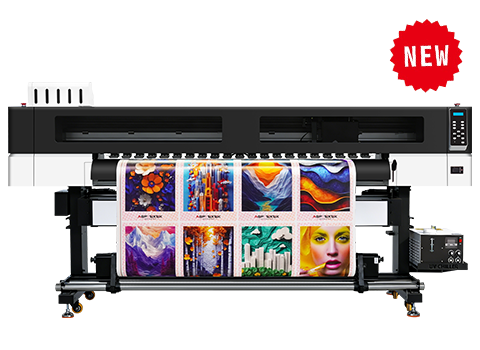
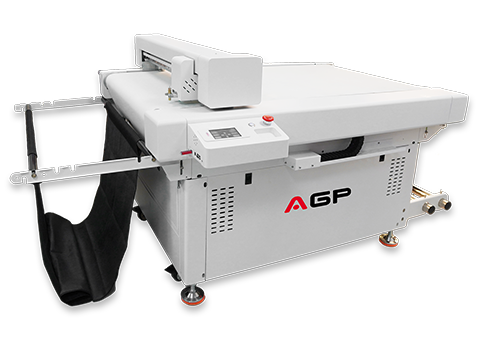
AGP DTF-TK1600 — Wide-format at 1600mm, with automated white ink circulation and stirring built in. The flagship option for industrial-scale DTF printing for print shops that need maximum throughput and the most robust ink management available.
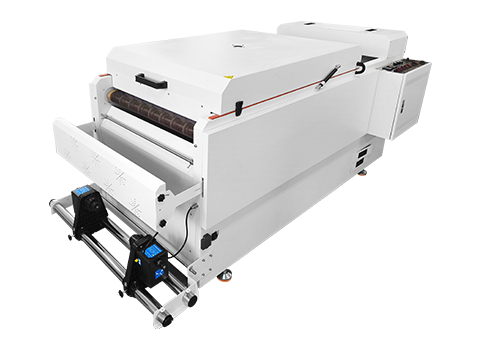
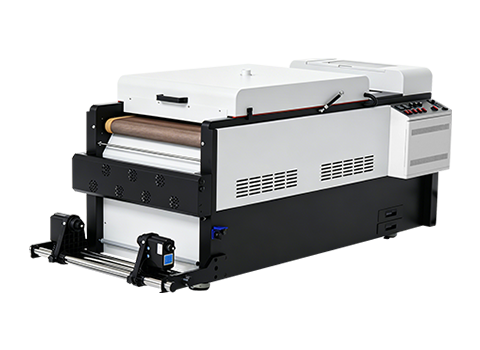
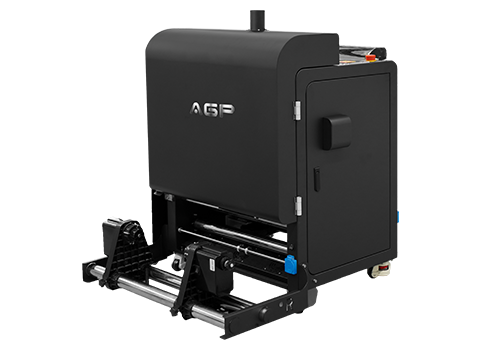
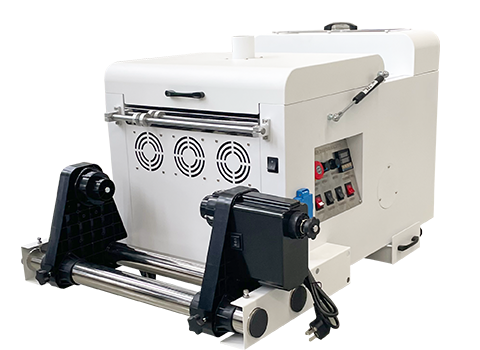
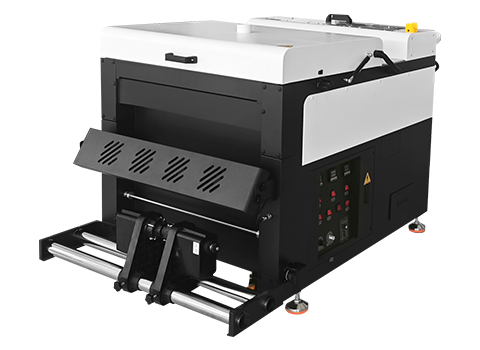
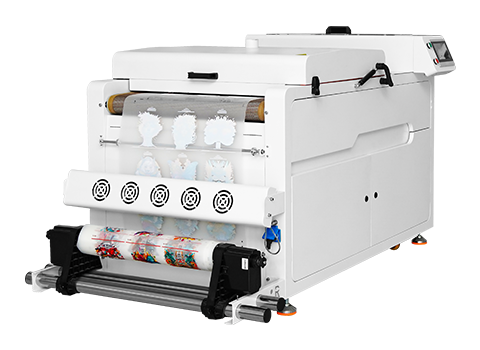
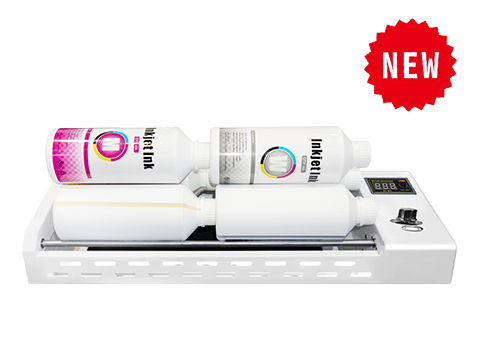
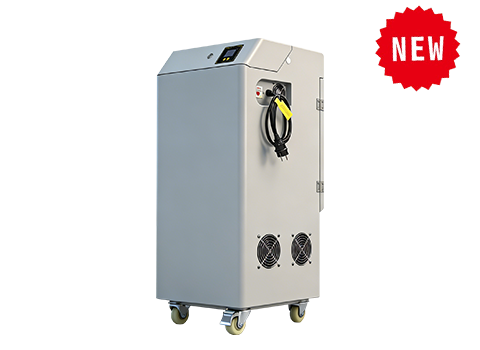
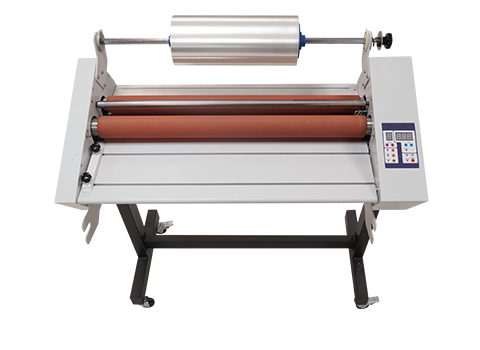
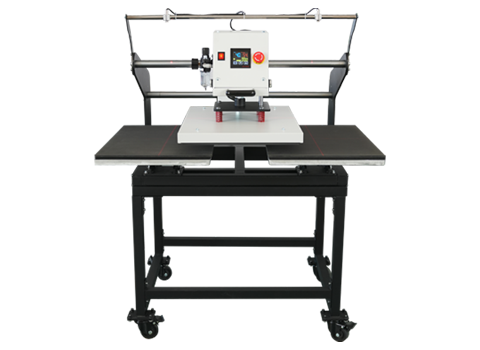
To complete the production setup, AGP's powder shaker range (H6505, H650 Pro, H650L, H650E, D800, D300) pairs directly with the printer lineup, and accessories including heat presses, ovens, cutters, and white ink rotators are all available from the same source.
DTF vs Screen Printing: Side-by-Side Comparison
| Feature | DTF Printing | Screen Printing |
|---|---|---|
| Setup Time | Minimal, per-job | Long and complex |
| Small Order Cost | Low and consistent | High, often uneconomical |
| Color Limitations | None — full color in one pass | Each color = one screen |
| Fabric Compatibility | Nearly any fabric | Best on cotton |
| Operator Skill Required | Moderate, short learning curve | High, specialist training needed |
| Workspace Footprint | Compact | Large — dedicated space required |
| Cleanup | Minimal, no chemicals | Chemical-intensive, water-heavy |
| Personalization | Every piece can be unique | Setup change required per design |
| Best For | On-demand, short runs, variety | High-volume, simple repeating designs |
Final Thoughts
The DTF printing vs screen printing conversation isn't really about which technology is better in absolute terms — it's about which technology fits the market your clients are actually serving right now. And for most commercial apparel businesses dealing with rising demand for small, custom, fast-turnaround orders, DTF is the more practical, more profitable, and more scalable answer.
As a distributor, being able to articulate that clearly — and back it up with the right equipment recommendations — puts you in a strong advisory position. AGP's DTF printer lineup gives you the range to match any client profile, from the shop just dipping a toe into DTF to the established print business ready to go all-in.
Explore the full AGP product range at www.agoodprinter.com, or reach out directly via WhatsApp at +86 177 4040 5829.