
DTF Printer for Commercial Print Shops: Everything Distributors Need to Know
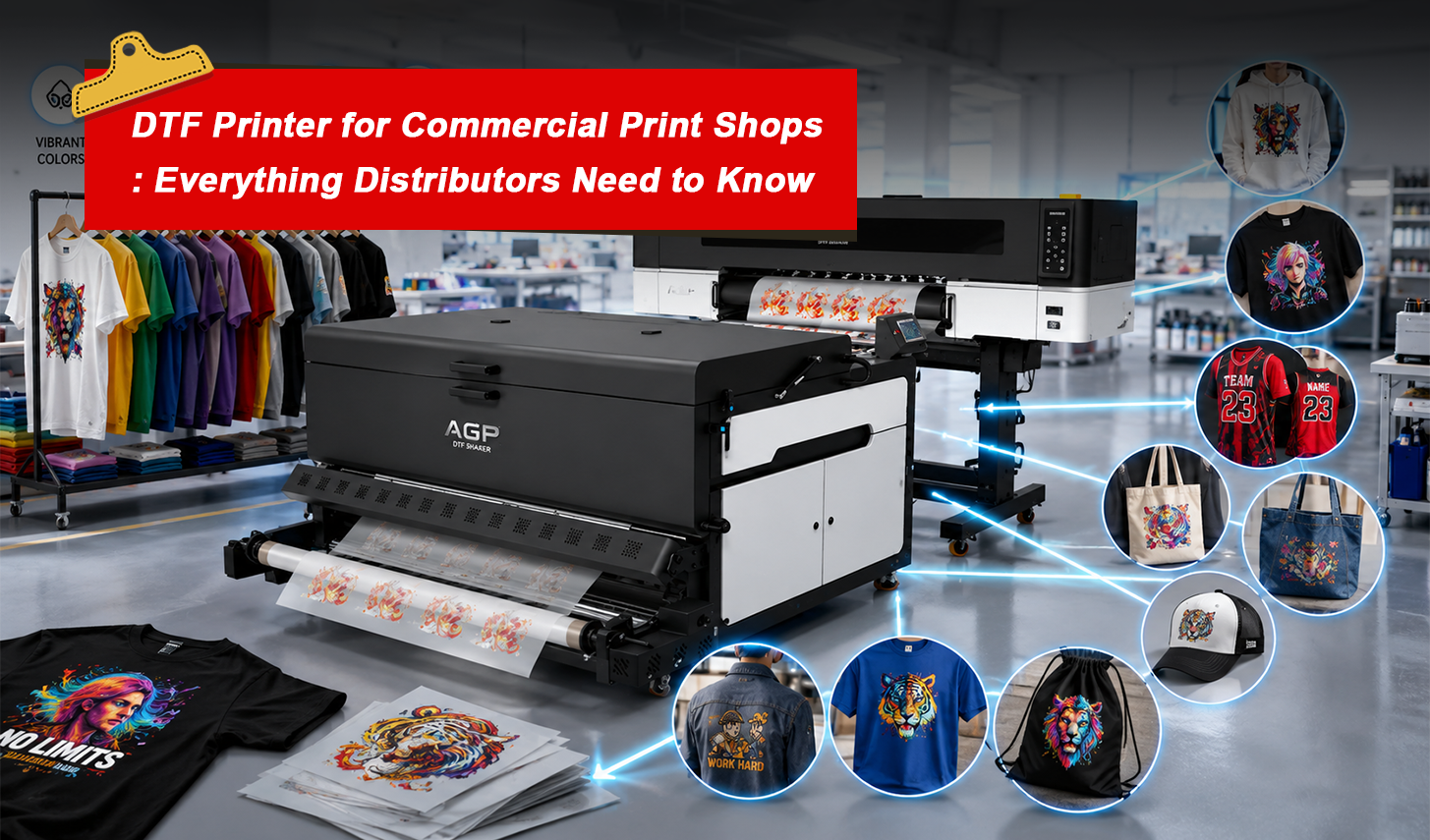
If you've been watching the custom apparel market over the last few years, the trend is pretty clear: buyers want more personalization, faster delivery, and smaller minimum order quantities. The old model of screen printing large batches just doesn't fit that demand anymore. And that's exactly why DTF printer for commercial print shop setups has exploded in popularity across the industry.
As a distributor, when your clients ask about expanding their apparel decoration capabilities, direct-to-film printing is one of the most compelling answers you can give them. It's fast, cost-effective, works across a huge range of fabrics, and doesn't require the kind of complex setup or specialist labor that older technologies demand. This guide will walk you through everything you need to know to have that conversation confidently.
What Is DTF Printing and Why Is It Taking Over Commercial Apparel Decoration?
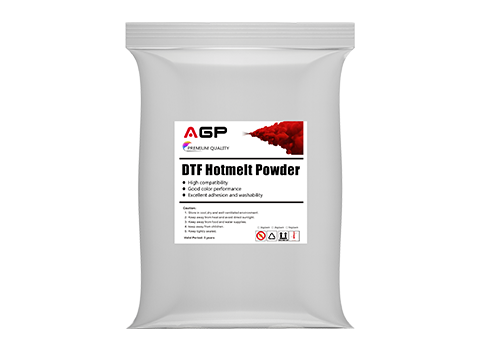
Direct-to-film printing (DTF) works differently from both screen printing and direct-to-garment (DTG) methods. Instead of printing directly onto fabric, a DTF printer applies ink onto a special PET film. The image is then coated with a hot melt adhesive powder and cured. The finished transfer can be heat-pressed onto virtually any garment — no pre-treatment required, no screens to set up, no fabric limitations.
The workflow is straightforward: design goes in, transfer comes out, garment goes on the heat press. That simplicity is a big reason why so many commercial print shop equipment buyers are moving toward DTF as a core production technology rather than a supplementary one.
What really sets DTF apart is how well it handles the kind of mixed, variable, short-run production that modern print shops face every day. Need to print five pieces in five different designs? No problem. Need to switch from cotton hoodies to polyester performance wear mid-run? DTF handles both without any setup change. That flexibility translates directly into faster fulfillment and lower labor costs per job.
The Real Business Case: Why DTF Printing Delivers Strong ROI for Print Shops
When you're talking to a print shop owner about investing in new equipment, the conversation always comes back to one question: how quickly will this pay for itself? With DTF systems, the answer is genuinely encouraging.
DTF printer ROI timelines are short compared to many other production technologies. Because material costs per transfer are low and setup costs between jobs are essentially zero, shops can run profitable small orders that would be margin-negative on screen printing equipment. That opens up a whole segment of the market — boutique brands, sports teams, local events, micro-fulfillment for e-commerce stores — that many shops currently have to turn away.
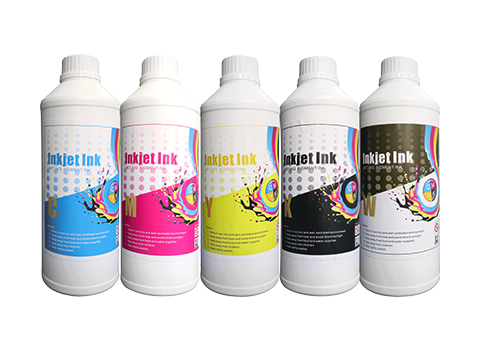
Here's how the math tends to work out: consumables for DTF transfer printing typically run just a few cents per transfer when you factor in ink, PET film, and adhesive powder. Even at modest daily volumes, a well-run DTF setup can generate substantial monthly revenue at healthy margins. The machines themselves are a one-time capital cost. The recurring costs are predictable and controllable.
For clients running online apparel storefronts or on-demand apparel fulfillment operations, DTF is particularly well-suited. They can produce orders as they come in rather than batching up large runs, which means lower inventory, less waste, and faster shipping times to end customers.
What Fabrics and Materials Can DTF Printers Handle?
One of the most common objections you'll hear from print shop owners considering DTF is: "Does it actually work well on the materials my clients need?" The answer, in almost every case, is yes.
Multi-fabric DTF printing is one of the technology's defining strengths. DTF transfers bond effectively to cotton, polyester, nylon, canvas, denim, performance blends, and most synthetic fabrics. Because the adhesive layer is what attaches the design to the garment — rather than the ink bonding directly to the fibers — fabric composition matters much less than it does with DTG or sublimation printing.
There's no need for fabric pre-treatment, which removes a significant step from the workflow and eliminates the associated labor and chemical costs. Operators don't need to adjust ink formulations or settings when moving between different fabric types. The machine runs, the transfer comes out, and the heat press does the rest.
This is a particularly strong selling point for shops that serve diverse client bases. A single DTF setup can handle everything from premium cotton tees to athletic wear to tote bags to hats — all in the same production run if needed.
Key Features That Make a DTF Printer Production-Ready
Not every DTF printer on the market is built for commercial workloads. When you're recommending equipment to serious print shops, these are the features that separate production-grade machines from entry-level units:
Multi-Printhead Configuration: Commercial DTF output is measured in transfers per hour, and printhead count directly affects that number. Machines with multiple Epson printheads can push significantly higher volumes than single-head units. For shops targeting high daily output, this is a critical spec.
White Ink Circulation System: White ink is the foundation of every DTF transfer — it's the underbase that makes colors vivid on dark fabrics. But white ink is notoriously prone to settling and clogging. A proper white ink circulation system keeps the ink continuously moving through the supply lines, preventing blockages and reducing maintenance time. Shops that have dealt with white ink clogs on cheaper machines appreciate this feature immediately.
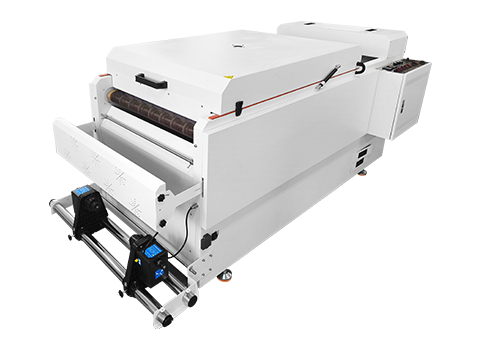
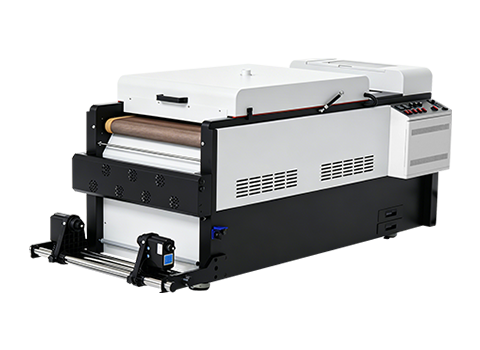
Automated DTF Powder Shaker: The adhesive powder application step is where a lot of manual labor creeps into the DTF workflow. An automated DTF workflow with an integrated powder shaker and dryer removes that bottleneck, allowing one operator to run higher volumes without needing to manually coat and cure each transfer.
RIP Software Integration: RIP software for DTF handles color profiling, layout management, and job queuing. Production-grade RIP software allows shops to maintain color accuracy across runs, process batch jobs efficiently, and handle variable data for personalized orders. It's the software backbone that makes the whole system reliable and consistent.
Vacuum Film Feeding: For long production runs, a vacuum-fed film system keeps the PET film flat and stable as it moves through the printer. This prevents misfeeds, maintains registration accuracy, and allows operators to run extended jobs without constant monitoring.
Understanding DTF Cost per Transfer: Why the Math Works in Your Clients' Favor
Low cost per DTF transfer is one of the most compelling parts of the DTF value proposition, and it's worth spending time here because it's where a lot of client conversations get closed.
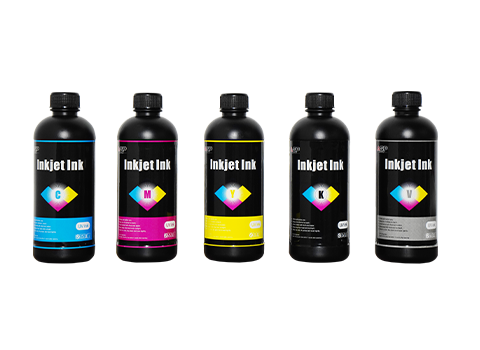
A typical DTF transfer uses a combination of CMYK ink, white ink, hot melt adhesive powder, and PET film. When you calculate all of those consumables together for a standard A4-size transfer, the cost per piece is very low — often just a few cents for materials alone. Even accounting for energy and labor, the per-unit cost leaves strong room for healthy retail pricing.
Compare that to traditional screen printing: setup costs for screens, mesh, and squeegees make small runs uneconomical. Compare it to embroidery: digitizing fees and machine time add up quickly on complex designs. DTF has no setup costs per job and minimal waste, making it one of the most cost-efficient decoration methods available at commercial scale.
For clients who want to offer competitive pricing on small custom orders while still maintaining solid margins, direct-to-film printing is hard to beat.
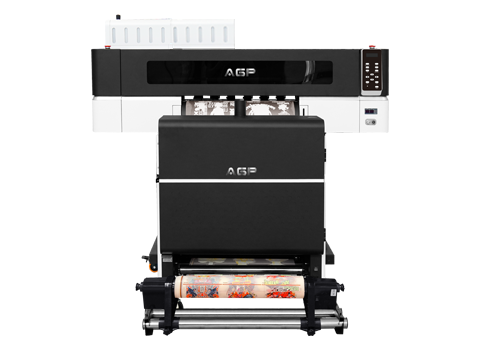
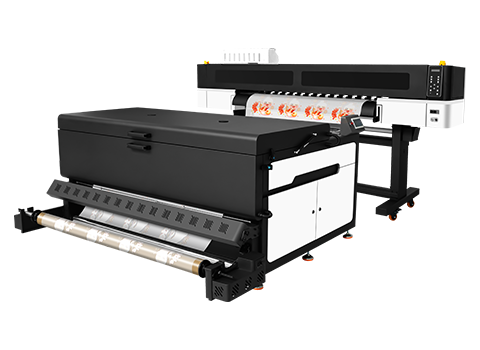
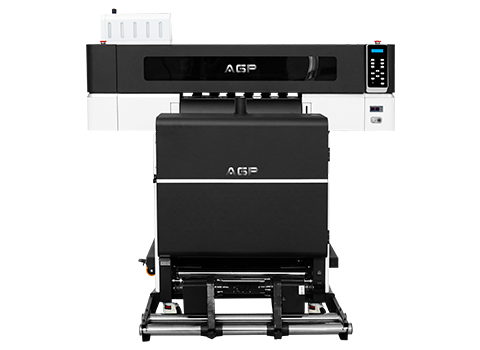
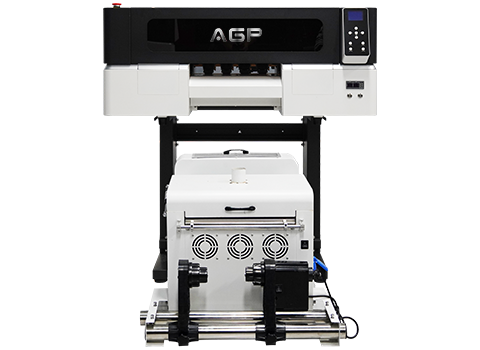
AGP DTF Printer Lineup: Matching the Right Machine to the Right Client
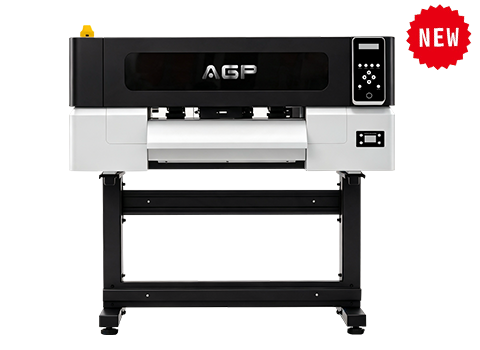
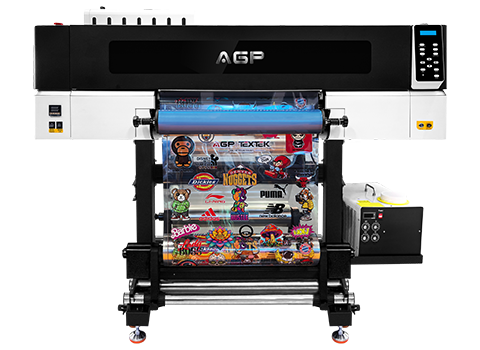
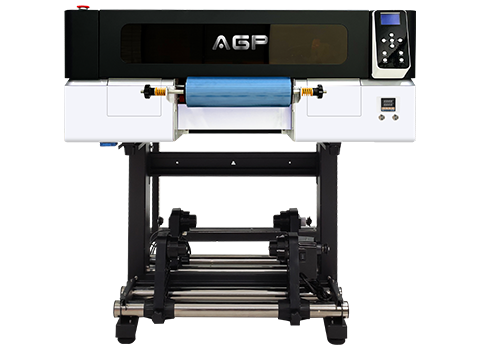
AGP manufactures a full range of DTF printers designed for different production scales and business models. Here's how to navigate the lineup when recommending to clients:
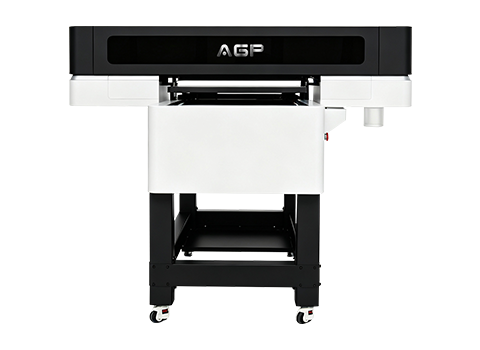
AGP DTF-T656 — A 600mm production printer with 5 or 6 Epson I3200-A1 printheads. This is a high-output machine designed for shops running significant daily volumes. Strong build quality, auto ink supply, and compatibility with leading RIP platforms including Riin, Flexiprint, Maintop, and NeoStampa. Recommend this to clients who are scaling up and need reliable throughput.
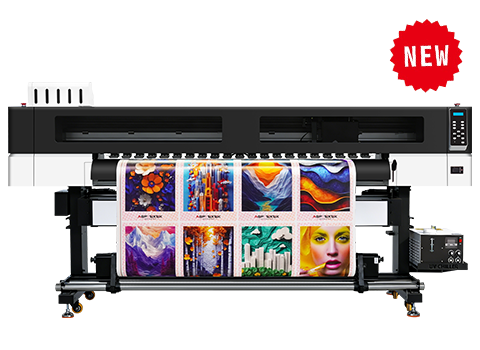
AGP DTF-TK1600 — Wide-format at 1600mm print width, powered by 5 or 6 Epson I3200-A1 heads. Features an automated ink supply system with built-in white ink circulation and stirring — a direct solution to the white ink sedimentation problem that plagues cheaper machines. This is AGP's flagship for industrial-scale apparel decoration businesses.
AGP DTF-T652/653/654 — A flexible 600mm series available with 2, 3, or 4 Epson I3200-A1 printheads, letting clients choose their output capacity based on current volume with room to specify up as their business grows. Auto-feeding and take-up system included. A great mid-range option for shops that are serious about DTF production speed but not yet at industrial scale.
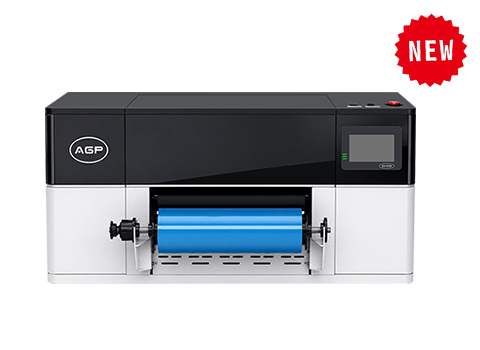
AGP DTF-T30 — A compact 300mm printer with 2 or 3 Epson I1600-A1 heads. Supports CMYK+W and specialty fluorescent color channels — useful for clients targeting sportswear, safety wear, or fashion-forward apparel that uses non-standard colors. Strong performance-to-footprint ratio.
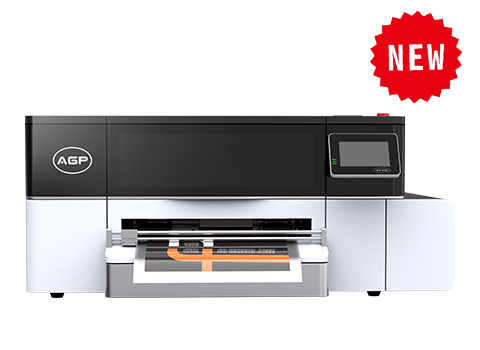
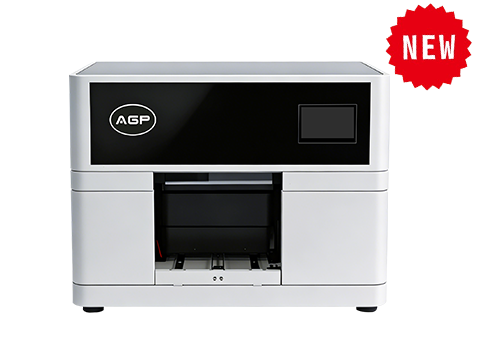
AGP DTF-E30 — Entry-level 300mm machine running the Epson F1080-A1 printhead. Clean, reliable, and easy to operate. Good for smaller shops or studios entering custom apparel printing for the first time, or for clients who want a dedicated short-run machine alongside an existing larger system.
AGP DTF-E30 T — The enhanced version of the E30, offering additional capability for shops that quickly outgrow the base entry-level configuration.
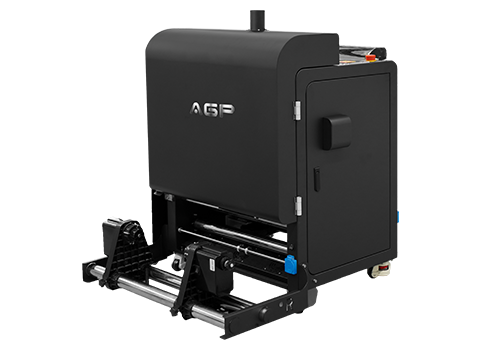
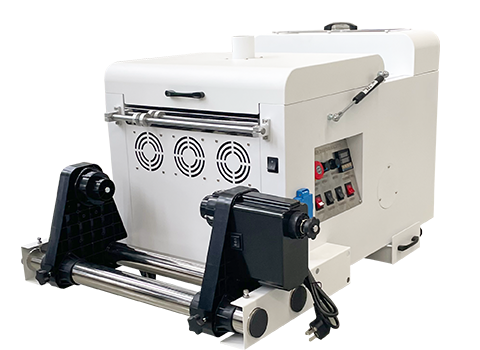
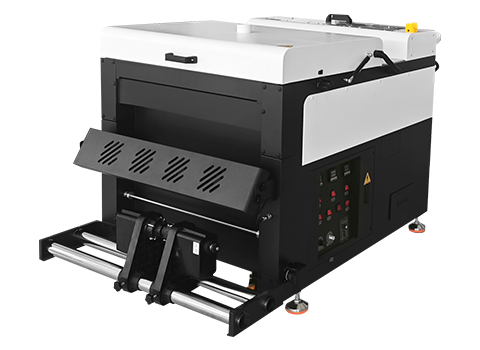
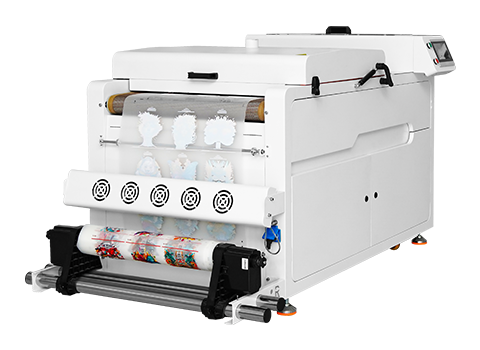
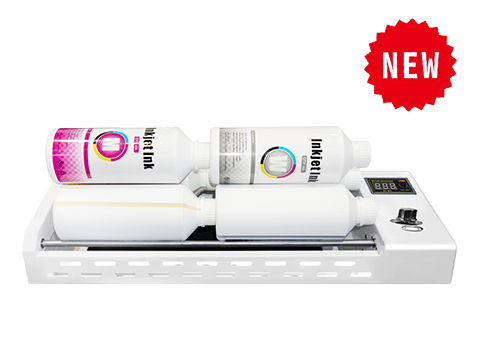
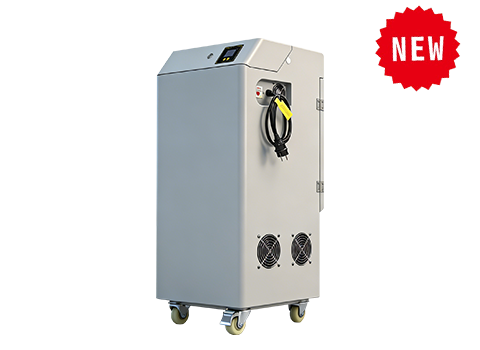
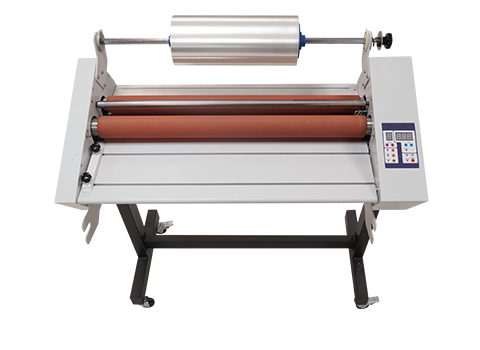
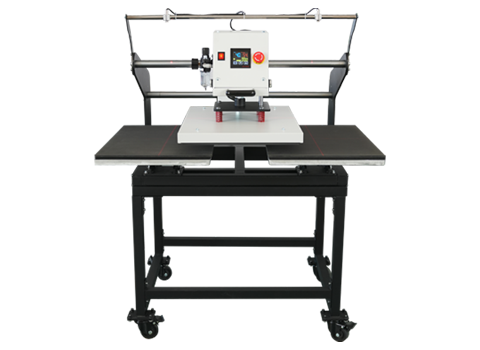
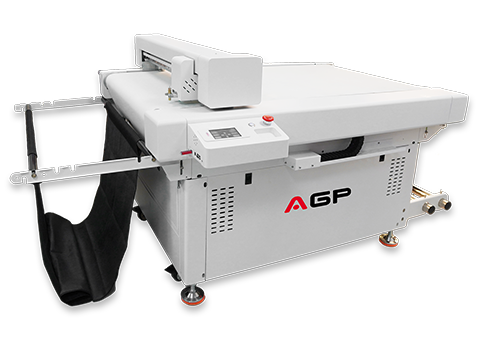
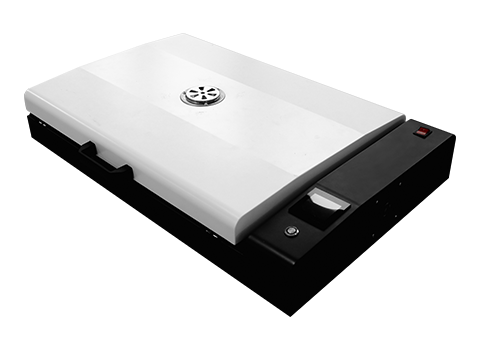
For clients who need a complete production setup, AGP also offers a full range of companion equipment: DTF powder shakers (H6505, H650L, H650 Pro, D800, D300, H650E), heat presses, cutters, ovens, and white ink rotators — everything needed to run a complete automated DTF workflow from a single supplier.
How to Position DTF Printing to Your Clients as a Growth Strategy
Understanding the technology is one thing. Helping your clients see it as a business growth tool is another. Here's how to frame the conversation:
Lead with what they're currently turning away: Most print shops have a category of jobs they either decline or outsource — small custom runs, mixed-fabric orders, short-notice requests. DTF directly addresses all of those. Ask your client what it would mean to bring those jobs in-house.
Connect it to e-commerce trends: The growth of print-on-demand and micro-fulfillment for online stores is real and ongoing. DTF printer for small business setups have enabled many shops to become fulfillment partners for Shopify and Etsy sellers who need fast, small-batch production. That's a recurring revenue model worth building toward.
Highlight the low barrier to entry for operators: DTF doesn't require the same skill level as screen printing setup or embroidery digitizing. A reasonably trained operator can run a DTF system competently after a short onboarding period. For shops with high staff turnover or limited specialist labor, that's a genuine advantage.
Make the upgrade path clear: Clients who start with an AGP DTF-E30 and grow into a DTF-T656 or TK1600 have a natural progression. Positioning yourself as the partner who helps them navigate that journey — rather than just selling them a machine today — builds the kind of relationship that drives long-term business.
Emphasize AGP's support ecosystem: Every AGP machine comes with a 1-year warranty, detailed installation tutorials, video support, and technical assistance. For clients who are nervous about adopting new technology, knowing that expert help is always available reduces the perceived risk of the investment significantly.
Final Thoughts
Commercial print shop equipment decisions don't happen overnight, but when clients are ready to invest, DTF printing is one of the strongest cases you can make. It's fast, flexible, affordable to run, and genuinely opens up new revenue categories that many shops aren't currently serving.
AGP's DTF printer lineup covers every production scale — from the compact E30 to the industrial-grade TK1600 — backed by a full ecosystem of powder shakers, accessories, and consumables. With 20+ years of manufacturing experience, 30+ patents, and distributors across Europe, the Americas, and Southeast Asia, AGP is a partner built for the long term.
Ready to help your clients take the next step? Visit www.agoodprinter.com or get in touch via WhatsApp at +86 177 4040 5829.