
Complete Guide to Custom Printing Terms Every DTF Business Should Know
Ever walked into a print shop conversation and suddenly felt completely lost?
One person starts talking about DTF powder, another mentions RIP software, someone else throws around terms like UV DTF, platen pressure, or halftoning — and somehow everybody acts like this stuff is common knowledge.
Truth is? Most beginners have absolutely no idea what half these terms mean.
And honestly, that’s normal.
The custom apparel printing industry has developed its own language over the years. Whether you're running a DTF printing business, starting a custom T-shirt brand, or looking into UV printing and garment decoration, understanding the terminology makes a massive difference.
Because once you understand the language, everything else gets easier:
- Choosing the right DTF printer
- Understanding printing workflows
- Talking with suppliers
- Improving print quality
- Reducing production mistakes
- Scaling your apparel business
So this guide breaks everything down in simple English — no complicated technical overload, no confusing explanations.
Just practical industry knowledge that actually helps.
Why Learning Printing Terms Matters
A lot of people think custom printing is just about pressing a button and printing shirts.
It’s not.
Modern apparel decoration combines software, machinery, chemistry, textile knowledge, color management, and production workflow systems all together.
That’s why professional print shops sound almost like engineering labs sometimes.
When you understand industry terms, you can:
- Troubleshoot DTF printing problems faster
- Improve heat transfer quality
- Reduce failed transfers
- Optimize RIP software settings
- Communicate better with suppliers
- Compare DTF printers properly
- Improve production efficiency
- Lower cost per print
And most importantly?
You stop guessing.
What Is DTF Printing?
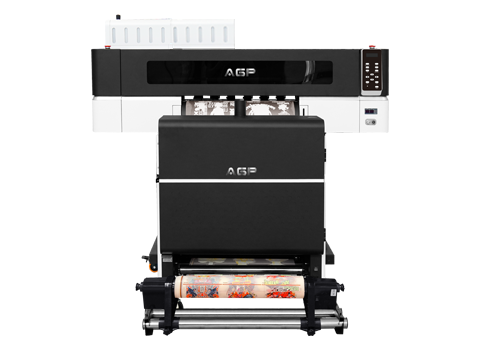
DTF printing, short for Direct-to-Film printing, is one of the fastest-growing technologies in the custom apparel industry.
Here’s the simple version.
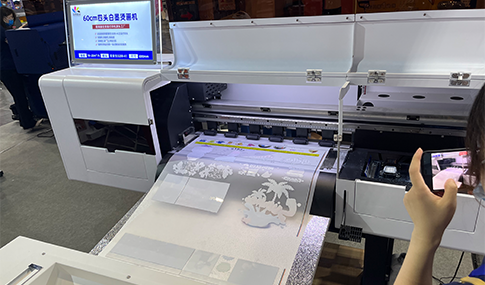
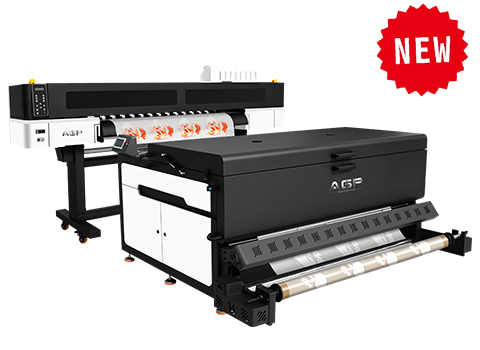
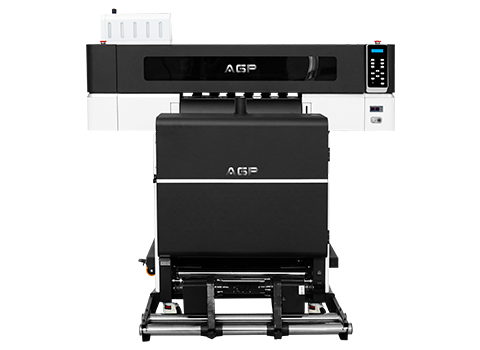
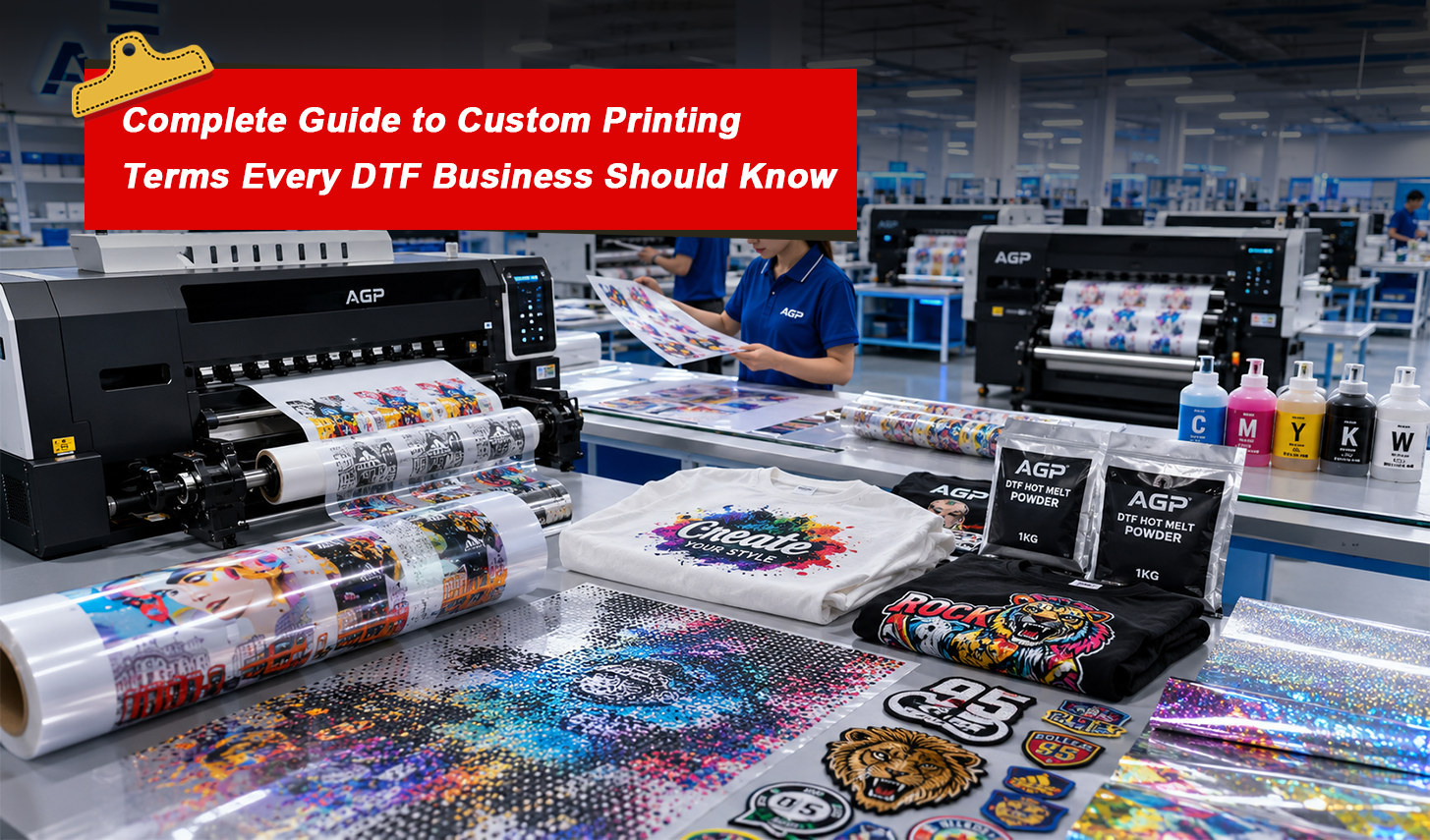
A DTF printer prints designs onto special PET film using CMYK and white ink. Adhesive powder is then applied to the wet ink before curing. After that, the transfer gets heat pressed onto fabric.
What makes DTF printing so popular is its flexibility.
Unlike sublimation printing or DTG printing, DTF works on:
- Cotton
- Polyester
- Blends
- Dark garments
- Light garments
- Hoodies
- Tote bags
- Sportswear
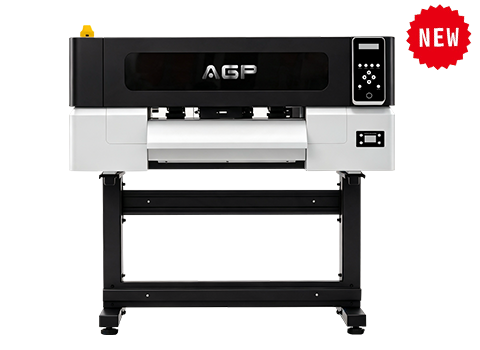
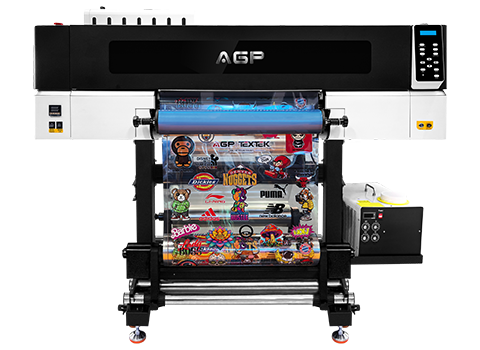
That versatility is exactly why so many apparel businesses are switching to AGP DTF printers in 2026.
Popular DTF-related keywords include:
- DTF transfer
- DTF powder
- PET film
- White ink circulation
- Powder shaker
- Heat press workflow
- Soft-hand feel
- DTF gang sheet
Common Printing Methods Explained
Screen Printing
Screen printing is one of the oldest apparel decoration methods still widely used today.
Ink gets pushed through a stencil mesh screen onto fabric using a squeegee.
It’s great for:
- Bulk T-shirt printing
- Large production runs
- Bold graphic designs
- Sports uniforms
But setup takes time, which makes it less ideal for short-run custom orders.
Sublimation Printing
Sublimation printing uses heat and pressure to transfer dye into polyester fabrics or coated hard surfaces.
This method creates extremely vibrant colors because the ink becomes part of the material itself.
Best uses include:
- Sportswear
- Jerseys
- Mugs
- Tumblers
- Phone cases
Limitation?
Sublimation works best on light-colored polyester materials.
DTG Printing
DTG stands for Direct-to-Garment printing.
This process prints directly onto apparel using water-based textile inks.
DTG printing is excellent for:
- High-detail artwork
- Small-batch orders
- Full-color T-shirt printing
- On-demand apparel
However, DTG often requires pretreatment before printing, especially on dark garments.
UV Printing
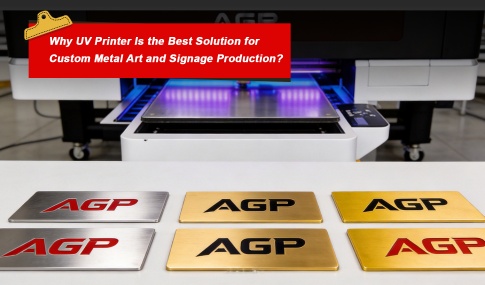
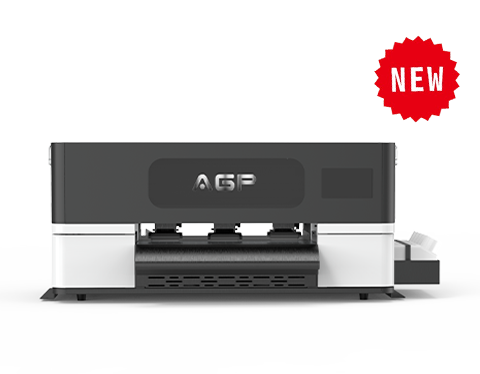
UV printing uses UV-curable ink and ultraviolet light to print directly onto hard surfaces.
Unlike traditional printing methods, UV ink cures instantly.
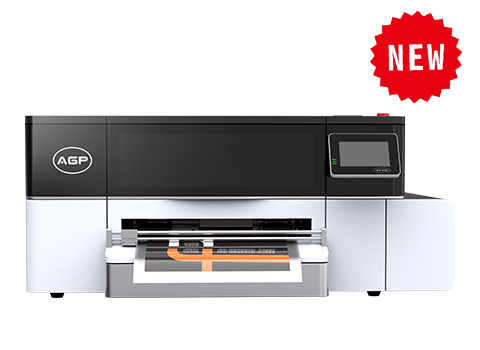
A UV printer can print on:
- Acrylic
- Wood
- Glass
- Leather
- Metal
- Plastic
- Promotional products
That’s why UV printing has become huge in the custom product market.
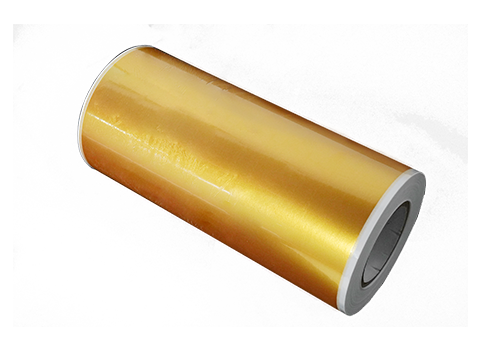
UV DTF Printing
UV DTF combines UV printing technology with transfer film applications.
Instead of printing directly onto products, designs are printed onto transfer film and then applied like decals.
This is popular for:
- Tumblers
- Packaging
- Phone accessories
- Cosmetic bottles
- Small promotional products
No heat press required.
Essential DTF Consumables You Should Know
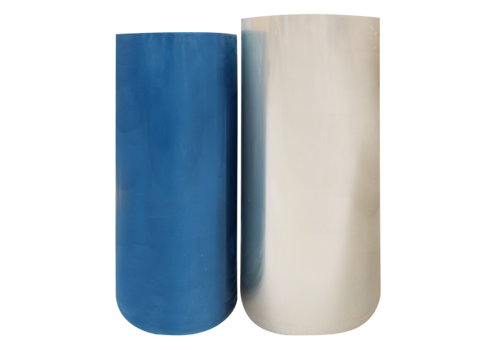
PET Film
PET film is the transfer film used during DTF printing.
The design gets printed onto this film before powder application and heat transfer.
Good PET film improves:
- Transfer clarity
- Ink adhesion
- Peel performance
- Wash durability
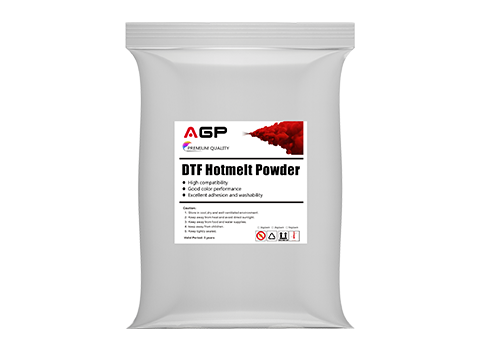
DTF Powder
DTF powder acts like the adhesive layer in the transfer process.
After printing, the powder sticks to wet ink and melts during curing.
Without proper powder application, transfers can crack or peel.
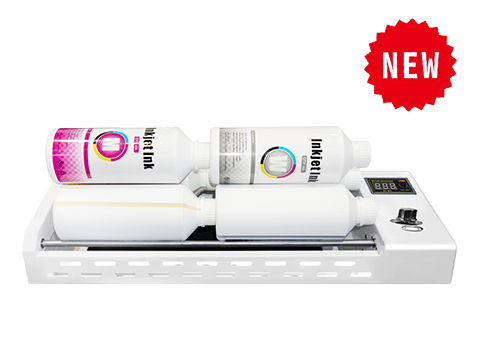
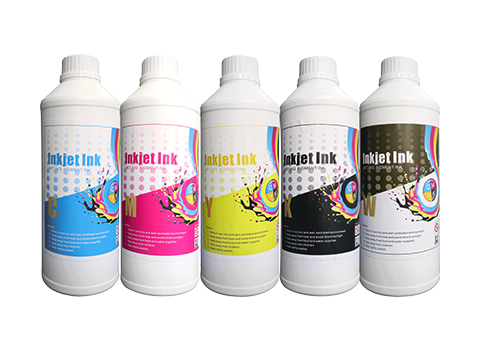
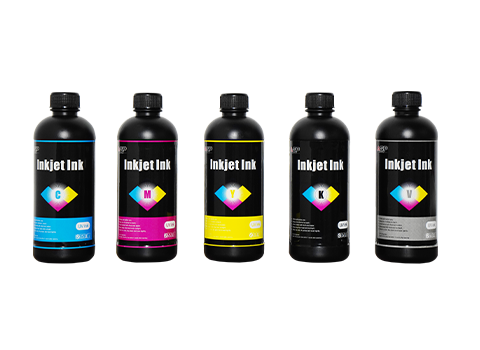
DTF Ink
DTF ink includes:
- Cyan
- Magenta
- Yellow
- Black
- White ink
The white underbase is especially important for dark garments.
Professional AGP DTF printers use stable white ink circulation systems to reduce clogging and improve consistency.
RIP Software
RIP software is basically the command center of modern digital printing.
It controls:
- Ink density
- Color management
- Print resolution
- White ink layers
- Halftoning
- Print alignment
Without good RIP software settings, even expensive printers can produce poor results.
Production Workflow Terms Every Print Shop Should Understand
Pretreatment
Pretreatment is commonly used in DTG printing.
A liquid solution gets sprayed onto garments before printing to help ink bond properly.
Without pretreatment, DTG prints may appear dull or wash out quickly.
Pre-Press
Pre-press means briefly heating garments before applying transfers.
This removes:
- Moisture
- Wrinkles
- Dust
- Fabric inconsistencies
A simple 5-second pre-press can dramatically improve transfer quality.
Cold Peel vs Hot Peel
These terms refer to when you remove the transfer film after pressing.
Cold Peel
You wait for the transfer to cool before peeling.
Hot Peel
You remove the film immediately while hot.
Different films require different peeling methods.
Throughput
Throughput refers to production capacity.
Basically:
How many finished prints can your workflow produce per hour?
This matters a lot for scaling DTF businesses.
Cost Per Print (CPP)
CPP calculates production cost for each transfer.
This includes:
- Ink
- Film
- Powder
- Labor
- Electricity
Understanding CPP helps print shops price products profitably.
Understanding DTF Halftoning
Halftoning is becoming a huge topic in DTF printing.
Instead of printing solid blocks of heavy ink, RIP software converts artwork into tiny dots.
Benefits include:
- Softer hand feel
- Reduced cracking
- Better flexibility
- Lower ink usage
- Cleaner gradients
- Improved durability
Modern AGP DTF printers paired with advanced RIP software make halftoning much easier to control.
For many professional print shops, halftoning is now standard workflow practice.
Fabric Terms You’ll Hear Constantly
100% Cotton
Soft, breathable, and extremely popular for apparel printing.
Great for DTF and DTG printing.
Polyester
A synthetic fabric widely used for sportswear and performance apparel.
Excellent for sublimation printing.
Cotton-Poly Blend
A mix of cotton and polyester fibers.
Offers balance between softness and durability.
Tri-Blend
Usually combines:
- Cotton
- Polyester
- Rayon
Tri-blend garments feel softer and lighter than standard shirts.
Essential Printing Equipment Terms
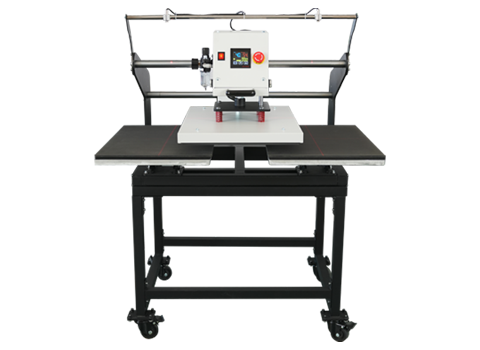
Heat Press
A heat press applies controlled heat and pressure to transfer designs onto garments.
This machine is critical in:
- DTF printing
- Sublimation
- HTV
- White toner printing
Platen
The platen is the flat surface holding garments during printing or pressing.
Different platen sizes support different products.
Print Head
The print head sprays ink onto PET film or garments.
High-quality Epson print heads are commonly used in AGP DTF printers because of their precision and reliability.
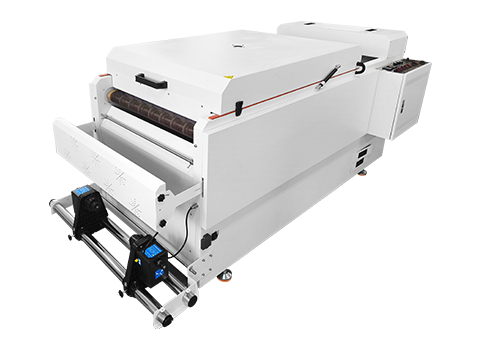
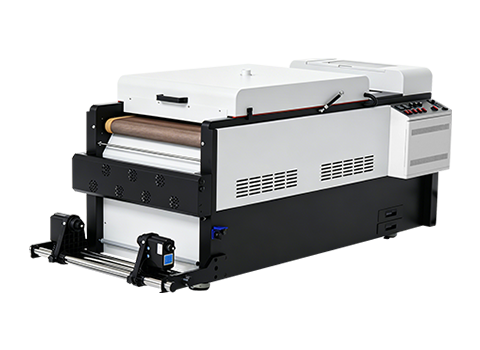
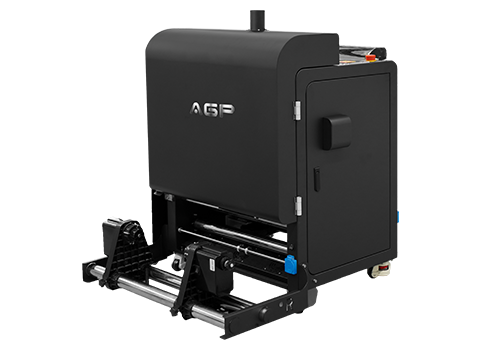
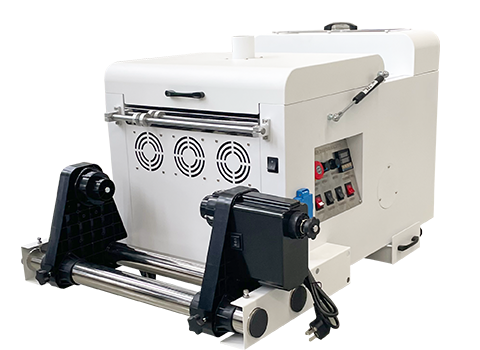
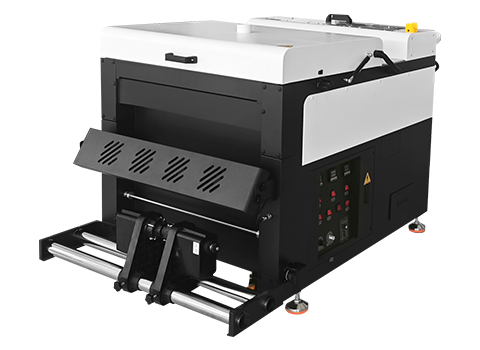
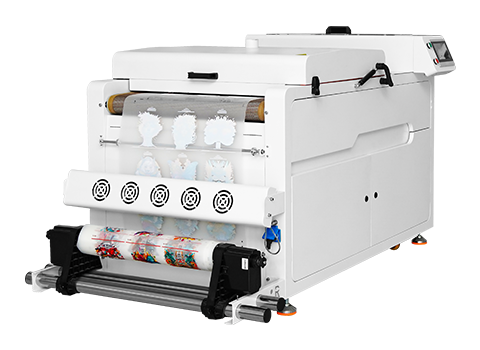
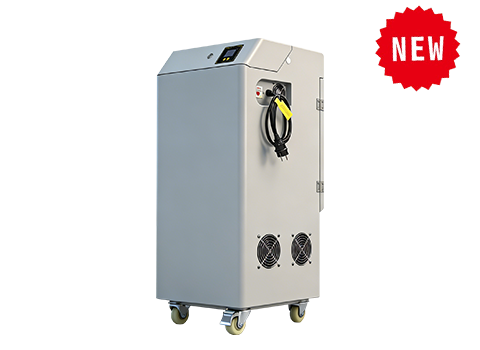
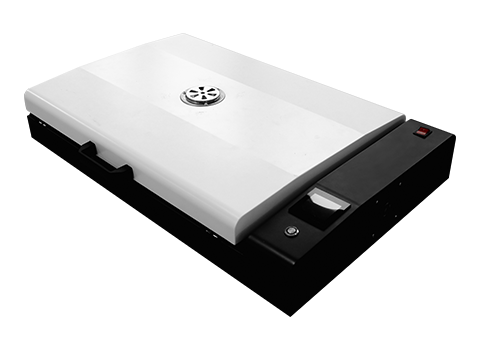
Powder Shaker and Dryer
This equipment automatically:
- Applies DTF powder
- Removes excess powder
- Cures adhesive evenly
It’s essential for stable high-volume DTF production.
Why AGP Supports Modern Apparel Businesses
Today’s custom apparel market moves fast.
Customers expect:
- Faster turnaround
- Better print quality
- Softer transfers
- More durability
- Consistent colors
That’s why professional print shops need equipment designed for commercial production.
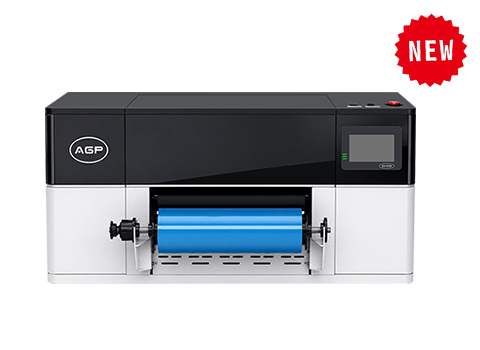
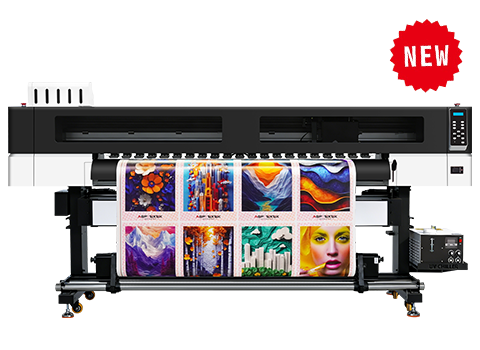
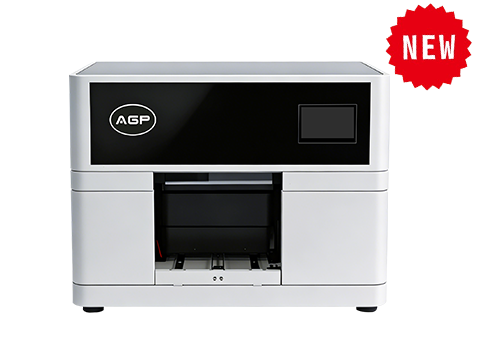
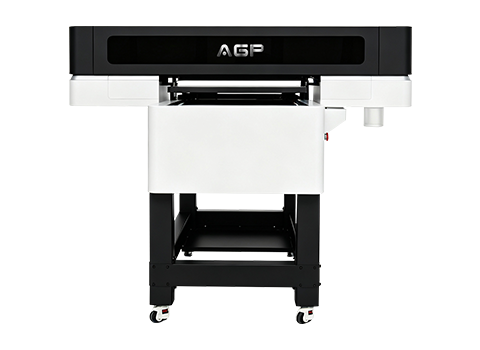
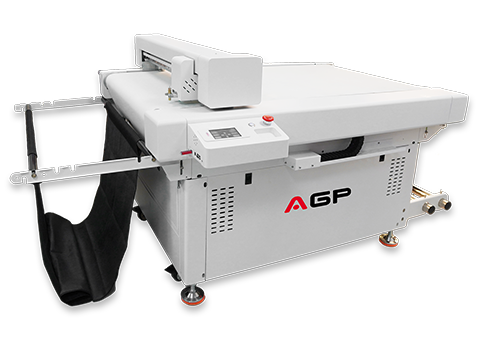
AGP focuses on:
- DTF printers
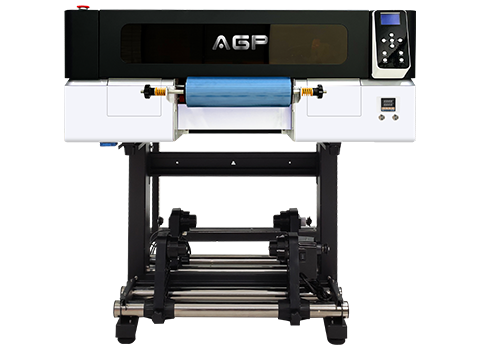
- UV printers
- Textile printing systems
- White ink circulation technology
- Stable production workflows
- Professional after-sales support
With over 12 years in the digital printing industry, AGP equipment now supports apparel businesses across:
- Europe
- North America
- South America
- Southeast Asia
- Africa
- Middle East markets
And honestly, consistency matters more than people realize.
Reliable equipment reduces downtime, minimizes reprints, improves workflow efficiency, and helps businesses scale faster.
Final Thoughts
The custom printing industry can feel overwhelming at first.
There are tons of technical terms, equipment types, consumables, and production workflows to learn.
But once you understand the language, everything starts becoming much easier.
You begin understanding:
- Why certain prints fail
- How professional print shops scale
- What improves transfer quality
- Which equipment actually matters
- How to optimize production workflows
And most importantly?
You stop relying on guesswork.
Whether you're running a small custom apparel brand, starting a DTF printing business, or scaling commercial production in 2026, learning these printing terms gives you a huge advantage.
Because in this industry, knowledge really does turn into profit.