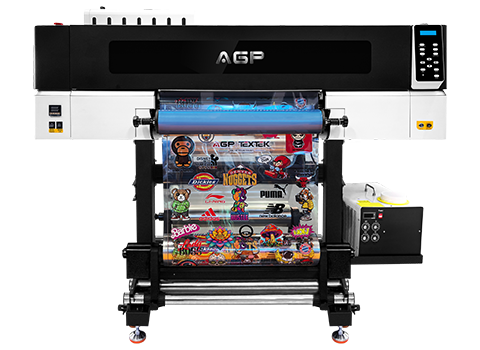
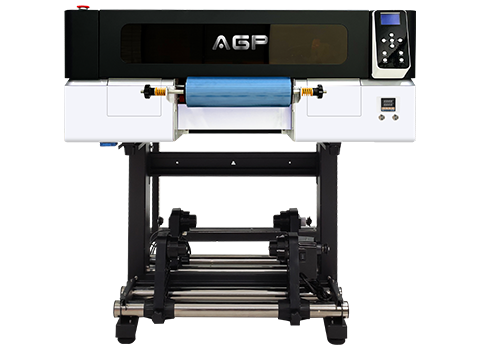

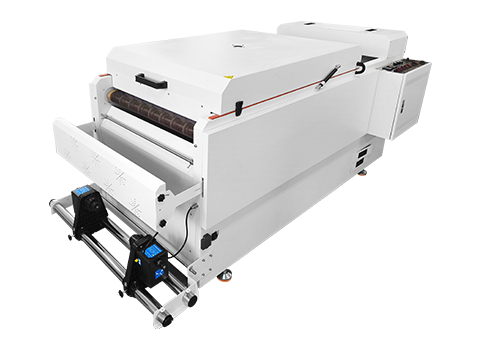
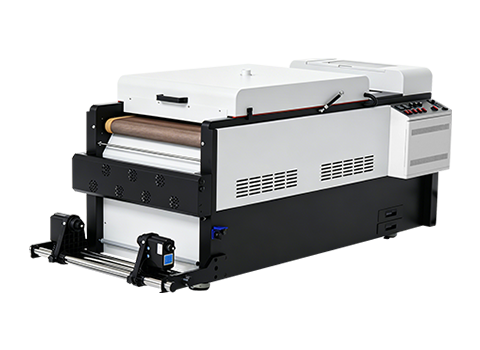
A Complete Guide to Powderless DTF Printers for Custom Apparel Production
The textile and garment printing industry is undergoing a quiet but powerful transformation. As demand for custom apparel, fast turnaround, and sustainable production continues to rise, traditional printing workflows are being challenged. Among the most disruptive innovations reshaping this space is the powderless DTF printer.
Unlike conventional DTF printers that rely on adhesive powder, powderless DTF printing introduces a cleaner, more efficient, and environmentally responsible approach to fabric decoration. For printing businesses aiming to improve productivity, reduce operating costs, and stay competitive, understanding this technology is no longer optional—it is strategic.
This article explores how powderless DTF printers work, how they compare with traditional DTF printers, and why more professional print shops are choosing this next-generation solution.
What Is a Powderless DTF Printer?
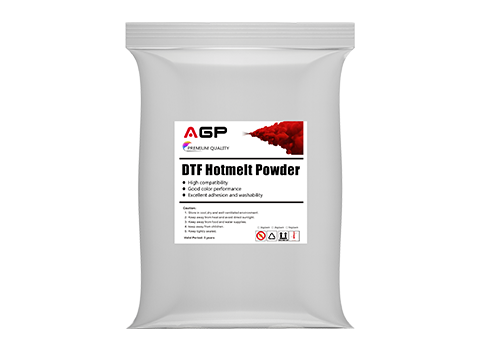
A powderless DTF printer is an advanced evolution of Direct to Film printing technology. Traditional DTF printing requires adhesive powder to be manually or automatically applied to printed film before heat transfer. While effective, that process introduces extra steps, dust pollution, and material waste.
Powderless DTF printing removes the powder stage entirely.
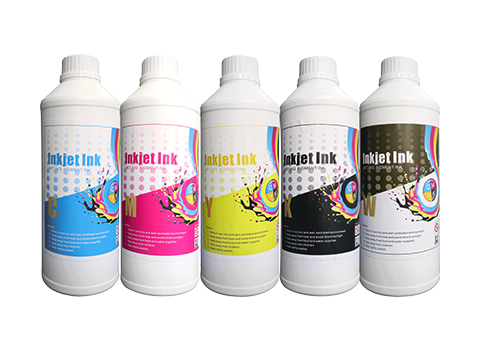
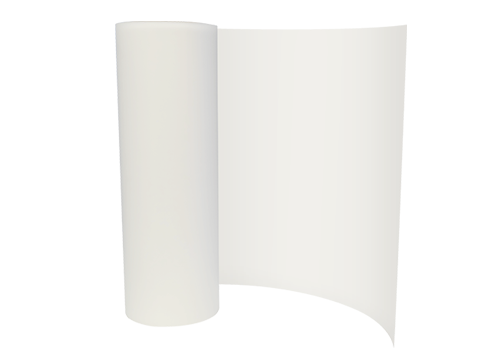
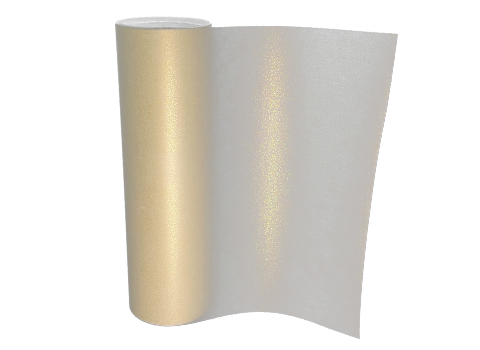
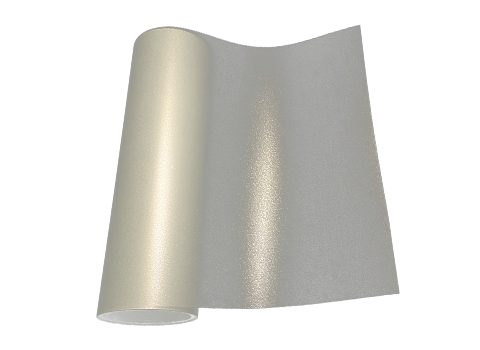
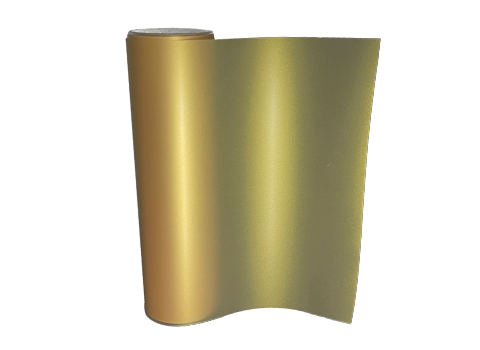
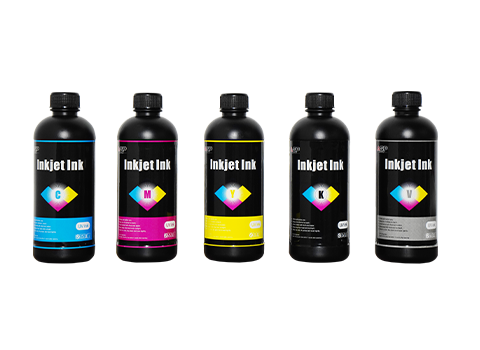
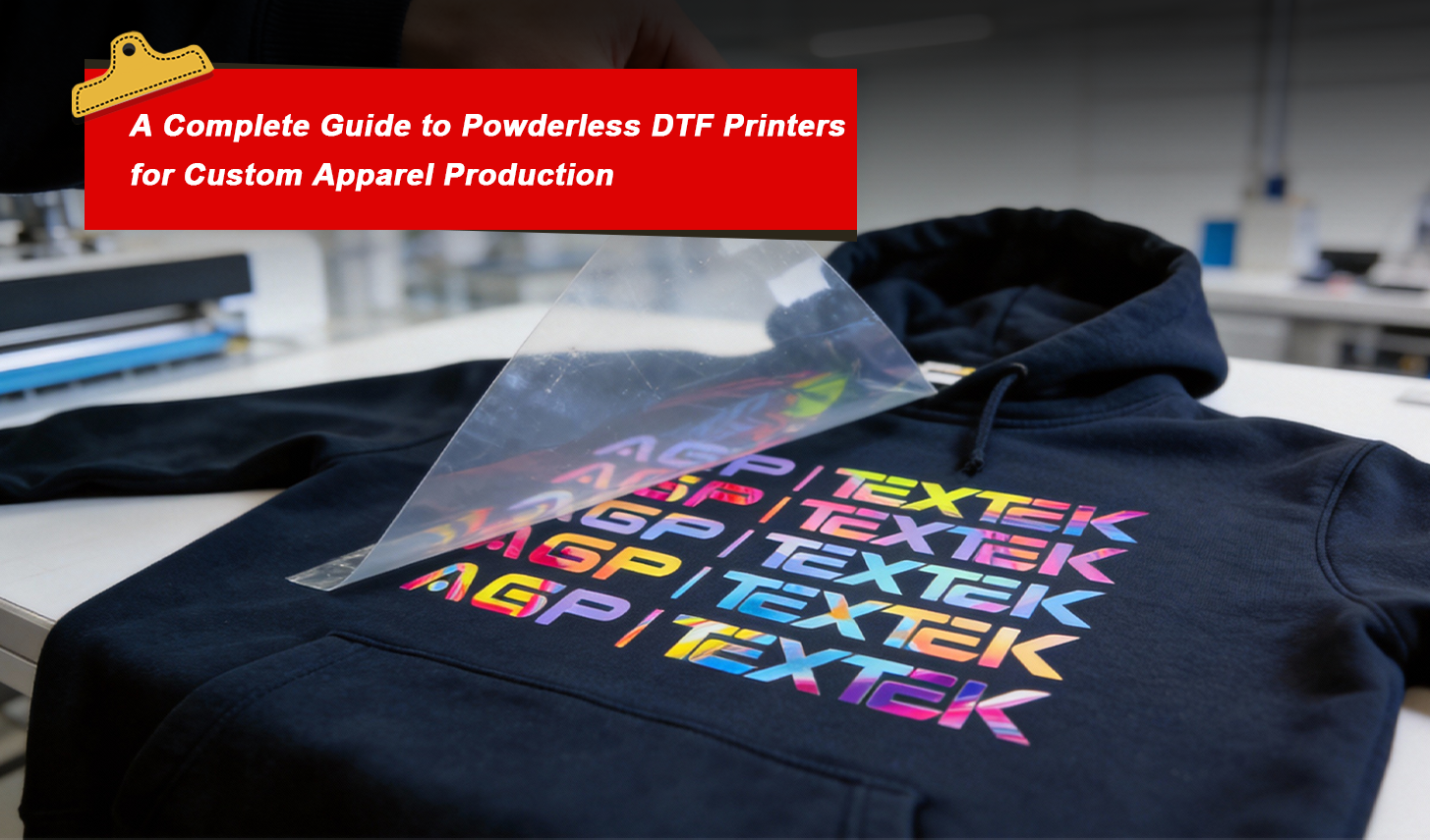
Instead of adhesive powder, a special liquid glue system is integrated directly into the printing workflow. The printer applies white ink, CMYK ink, and adhesive glue in a controlled sequence onto DTF film. Once cured and heat-pressed, the design transfers seamlessly onto fabric with strong adhesion and a softer hand feel.
This innovation simplifies production while delivering consistent, high-quality results—especially in professional apparel printing environments.
How Powderless DTF Printing Works
Understanding the powderless DTF printing process helps explain why it is gaining rapid adoption in the market.
First, the design is printed onto DTF film using a digital DTF printer. The print includes white ink and color layers, just like traditional DTF printing. Instead of powder application, the printer applies a liquid adhesive layer precisely where it is needed.
Next, the printed film is dried and cured. Because no powder is involved, there is no excess material to remove and no risk of uneven powder coverage. Finally, the film is transferred onto fabric using a heat press, producing a durable and breathable print.
This streamlined workflow improves consistency, reduces manual handling, and significantly lowers production errors.
Powderless DTF Printer vs Traditional DTF Printer
When comparing a powderless DTF printer with a traditional DTF printer, the differences become immediately clear.
Simplified Printing Workflow
Traditional DTF printing involves multiple additional steps—powder spreading, shaking, recycling, and curing. Powderless DTF printing removes these stages entirely. Fewer steps mean faster production cycles and less labor dependency.
Cleaner Production Environment
Adhesive powder creates airborne particles that contaminate workshops and equipment. Powderless DTF printers eliminate dust, keeping print shops cleaner and safer for operators. This is especially important for businesses focused on long-term operational stability.
Improved Print Quality and Comfort
Powderless DTF prints are typically thinner, smoother, and more flexible. They integrate better with fabric fibers, offering improved breathability and a softer touch—key selling points for premium custom apparel.
Lower Operating Costs
By removing powder consumption, businesses reduce material costs and waste management expenses. Combined with higher efficiency, powderless DTF printing delivers better cost control over time.
Key Advantages of Powderless DTF Printing Technology
The growing popularity of powderless DTF printers is driven by several core advantages that directly impact profitability and scalability.
Higher Efficiency for Commercial Production
Powderless DTF printing shortens production time per order. This allows print shops to handle more jobs daily without increasing labor or extending working hours—an essential advantage in high-volume environments.
Eco-Friendly and Sustainable Printing
Sustainability is becoming a purchasing factor across global markets. Powderless DTF printers reduce waste, eliminate powder pollution, and support cleaner production standards. This aligns with eco-conscious brand requirements and regulatory expectations.
Consistent Adhesion and Durability
Liquid adhesive systems ensure even coverage across the design. The result is strong wash resistance, long-lasting color vibrancy, and excellent stretch performance—critical for sportswear and fashion apparel.
Reduced Equipment Maintenance
Powder accumulation often leads to clogged components and frequent cleaning. Powderless DTF printers minimize maintenance demands, helping businesses maintain stable uptime.
Applications of Powderless DTF Printers Across Industries
Powderless DTF printing is not limited to one niche. Its flexibility supports a wide range of commercial applications.
Apparel and Fashion Printing
Custom T-shirts, hoodies, uniforms, and sportswear benefit from the soft hand feel and durability of powderless DTF prints. This technology supports both short-run customization and bulk apparel production.
Home Textile Decoration
Powderless DTF printers can be used for fabric-based home décor such as cushions, fabric wall art, and decorative textiles. The color clarity and detail elevate product value.
Promotional Products and Branding
Tote bags, fabric accessories, and branded merchandise are ideal for powderless DTF printing. The process supports complex logos and vibrant designs without compromising fabric comfort.
Personalized Gift Market
Customization businesses can produce personalized fabric gifts with professional-grade results. Powderless DTF printing ensures consistent quality across small-batch orders.
Why Printing Businesses Are Switching to Powderless DTF Printers
The shift toward powderless DTF printers is driven by business logic rather than trend following.
Printing companies face rising labor costs, increasing quality expectations, and stronger environmental pressure. Powderless DTF technology directly addresses these challenges by offering faster production, cleaner operation, and higher perceived product value.
For startups, it lowers the entry barrier by simplifying workflow. For established print shops, it enables scaling without expanding floor space or workforce.
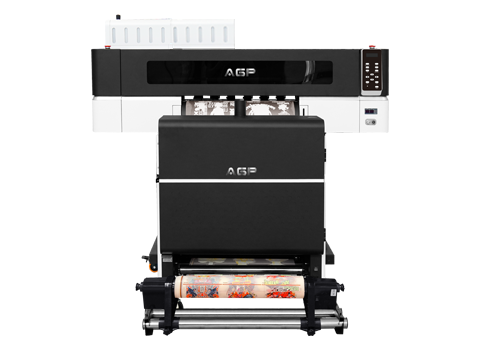
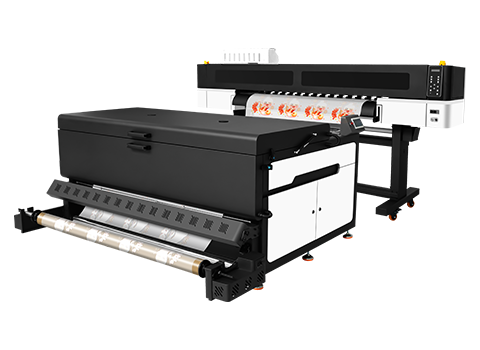
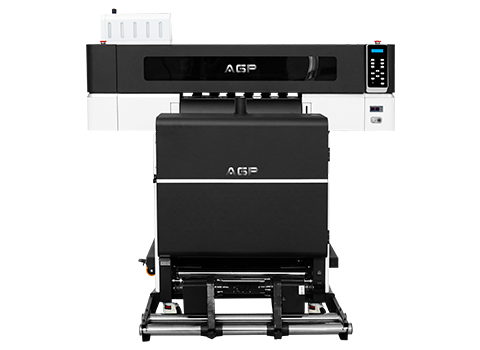
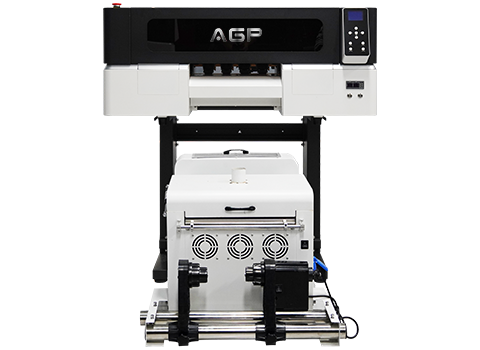
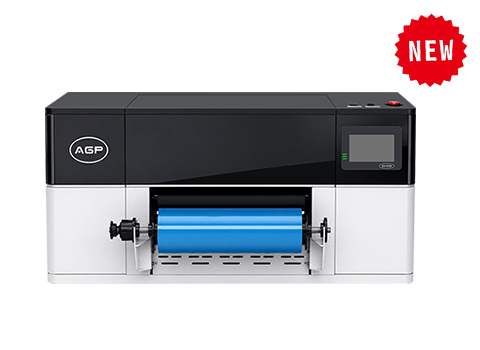
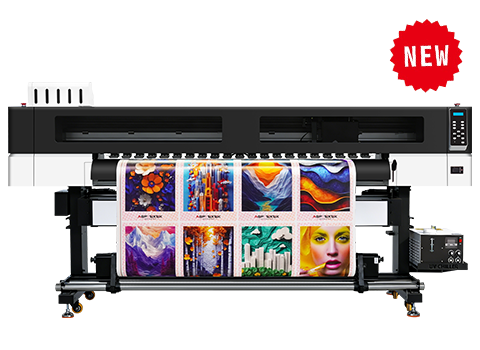
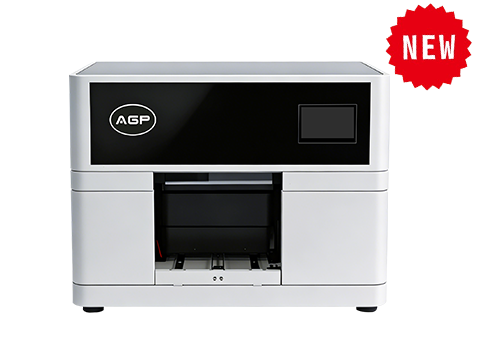
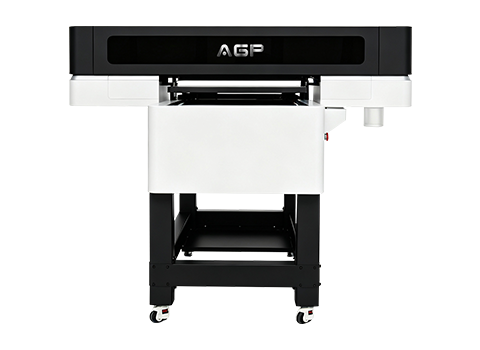
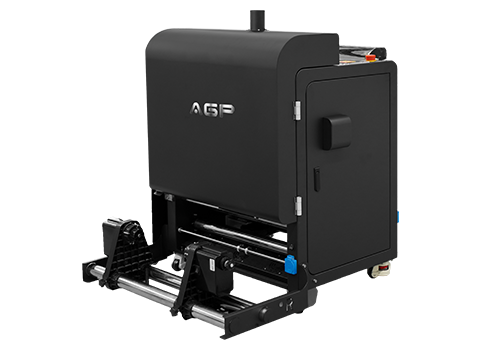
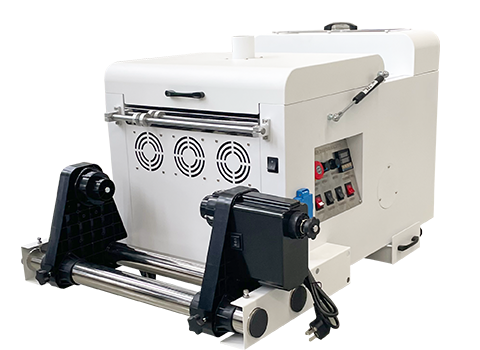
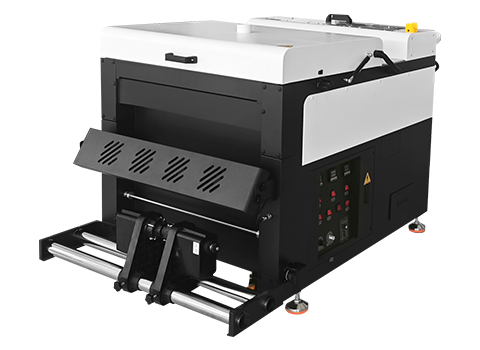
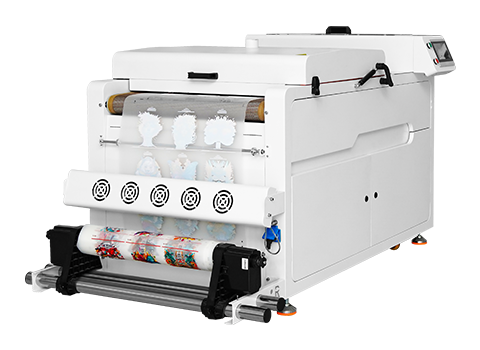
Why Choose AGP Powderless DTF Printer
AGP has positioned itself as a professional manufacturer in the digital printing equipment industry, with deep expertise in DTF printer technology.
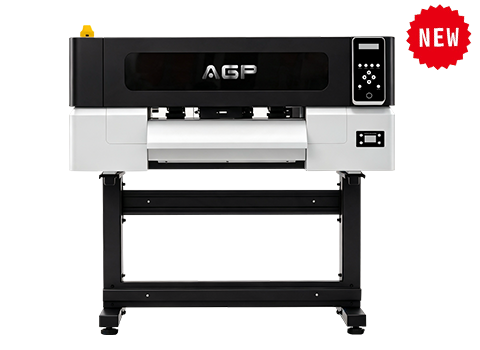
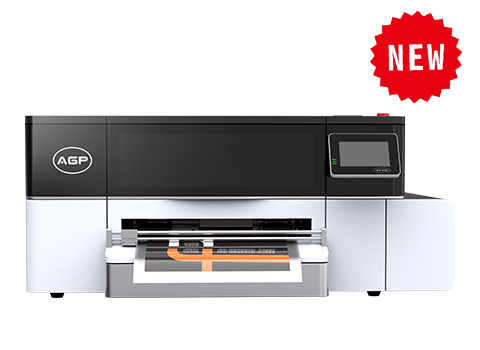
AGP powderless DTF printers are designed for stability, precision, and long-term performance. Each system integrates advanced ink control, reliable adhesive application, and user-friendly operation. Combined with AGP’s technical support and global service network, businesses gain a complete solution—not just a machine.
By choosing AGP, printing professionals gain access to next-generation powderless DTF printing technology that supports both current production needs and future growth.
Conclusion: Is Now the Right Time to Upgrade to a Powderless DTF Printer?
Powderless DTF printing represents a major step forward in textile printing innovation. By eliminating adhesive powder, this technology simplifies workflows, improves print quality, and supports sustainable manufacturing goals.
For printing businesses seeking efficiency, consistency, and long-term competitiveness, investing in a powderless DTF printer is no longer a future consideration—it is a practical upgrade.
As market demand for clean, high-quality customization continues to grow, powderless DTF printers are well-positioned to become the new industry standard. Choosing the right equipment today can define your competitive edge tomorrow.