
Key Benefits and Applications of 3D Embroidery UV DTF Stickers
Traditional embroidery is constrained by manual processing speeds, with complex designs often requiring days or even weeks to complete, making large-scale production extremely challenging. Digital embroidery printing, however, achieves a leap in efficiency through automated equipment—reaching maximum printing speeds of 12 square meters per hour and delivering small-batch orders in just 3.5 hours. This represents a tenfold increase in production efficiency compared to traditional methods, fundamentally transforming the manufacturing model for embroidered products.
As an innovative fusion of digital printing and embroidery techniques, 3D embroidery UV DTF stickers not only perfectly replicate the three-dimensional texture and intricate patterns of traditional embroidery but also overcome numerous limitations of conventional methods. They deliver efficient, flexible, and cost-effective personalized solutions for apparel, accessories, home goods, and beyond.
Unique Characteristics of 3D Embroidery UV DTF Stickers: Technical Principles and Core Differentiators
Traditional embroidery centers on needle and thread, relying on artisans manually manipulating these tools to outline patterns through various stitch combinations. Each piece embodies the creator's skill and emotion, possessing irreplicable uniqueness. Its core lies in “handcrafted creation,” where every step—from sketch design to final product—requires manual oversight, demanding exceptionally high skill levels from artisans.
Diverse Application Scenarios for 3D Embroidery UV DTF Stickers
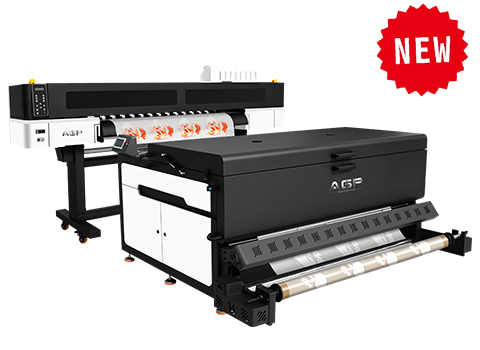
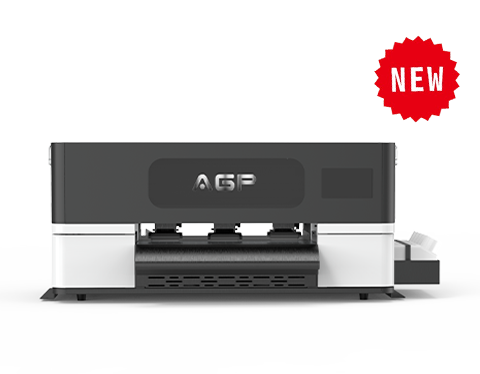
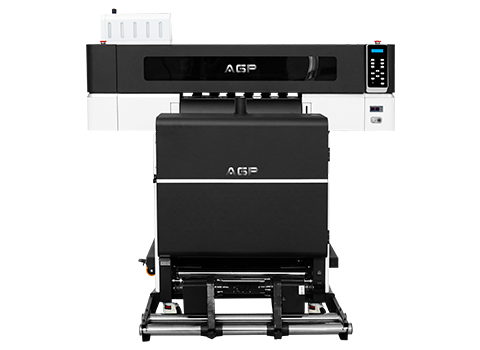
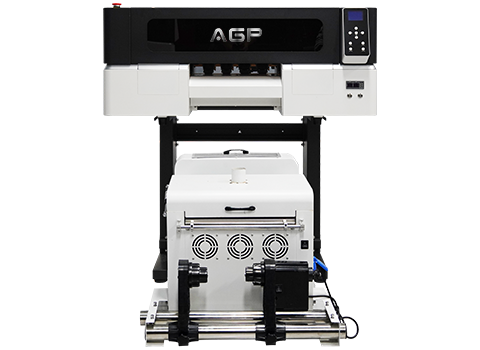
UV DTF equipment is increasingly adopted for printing embroidery patterns on garments. By eliminating physical fabric penetration, it substantially reduces the cost and time associated with traditional embroidery, offering fashion brands an efficient pattern decoration solution.
3.2 Accessories and Footwear Sector
Why Choose 3D Embroidery UV DTF Stickers Over Traditional Stickers?
4.1 Broader Substrate Compatibility
Back
As an innovative fusion of digital printing and embroidery techniques, 3D embroidery UV DTF stickers not only perfectly replicate the three-dimensional texture and intricate patterns of traditional embroidery but also overcome numerous limitations of conventional methods. They deliver efficient, flexible, and cost-effective personalized solutions for apparel, accessories, home goods, and beyond.
Unique Characteristics of 3D Embroidery UV DTF Stickers: Technical Principles and Core Differentiators
1.1 The Craft Essence of Traditional Embroidery
Traditional embroidery centers on needle and thread, relying on artisans manually manipulating these tools to outline patterns through various stitch combinations. Each piece embodies the creator's skill and emotion, possessing irreplicable uniqueness. Its core lies in “handcrafted creation,” where every step—from sketch design to final product—requires manual oversight, demanding exceptionally high skill levels from artisans.
1.2 The Technical Core of 3D Embroidery UV DTF Stickers
3D embroidery UV DTF stickers represent a deep integration of technology and printing techniques, essentially achieving embroidery effects through digital printing. Its core process is as follows:
1. Utilizing computer-aided design (CAD) technology to convert patterns into digital signals;
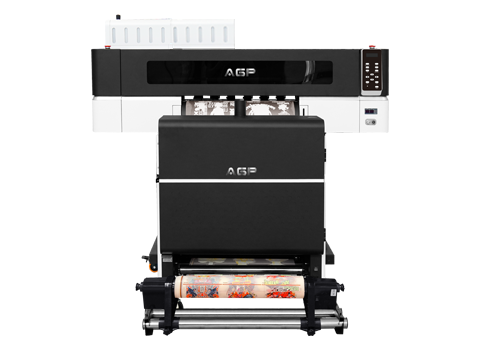
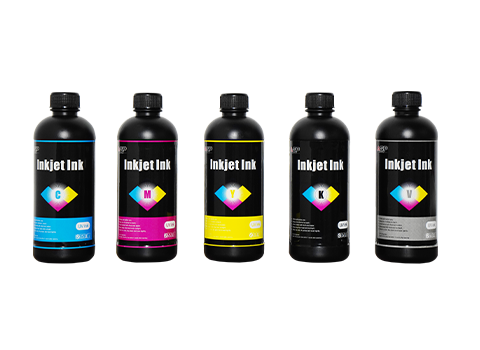
2. Employing UV DTF printers to jet special inks, printing patterns with the texture and dimensionality of traditional embroidery;
3. Achieving non-contact printing without needles or thread throughout the process, completely eliminating the limitations of manual operation for more efficient and precise embroidery effects.
Core Advantages of 3D Embroidery UV DTF Stickers
2.1 Cost-Effectiveness
Traditional embroidery incurs high labor costs and material wastage. UV DTF equipment streamlines production by eliminating complex manual pattern-making and needle/thread consumables. This significantly reduces costs while maintaining exceptional pattern quality.
2.2 Enhanced Production Efficiency
The UV DTF process achieves printing speeds far exceeding traditional embroidery, making it particularly suitable for high-volume production or urgent order fulfillment. This effectively shortens product delivery cycles and boosts a company's order response capabilities.
2.3 Greater Design Flexibility
No matter how intricate the pattern or how rich the color palette, 3D embroidery UV DTF stickers deliver precise reproduction. From fine line textures to multi-color gradient effects, they overcome traditional embroidery's design limitations to meet diverse creative demands.
2.4 Superior Durability
Utilizing UV-curable inks, these stickers offer outstanding weather resistance and abrasion resistance, maintaining color integrity over extended use. Field testing confirms printed products withstand at least 20 washes, making them fully suitable for high-frequency use or washing scenarios (e.g., apparel, accessories).
2.5 Enhanced Environmental Sustainability
Most UV DTF equipment employs low-VOC (Volatile Organic Compounds) inks, aligning with eco-friendly and sustainable development standards. Additionally, compared to material waste in traditional embroidery, this process achieves higher consumable utilization, further reducing environmental impact.
2.6 Scalable Production Capacity
From single-item customization to batch production of thousands, 3D embroidery UV DTF equipment offers flexible adaptability. It meets the production needs of businesses at all stages, from small startups to large enterprises.
2.7 Application Breakthroughs
While traditional UV DTF printing primarily targets rigid substrates like plastic, metal, and glass, 3D embroidery UV DTF stickers achieve a key breakthrough—direct application on flexible apparel substrates such as hats and T-shirts. This significantly expands the application boundaries of UV DTF printing, unlocking new commercial possibilities.
2.8 Balancing Personalization and Versatility
It accommodates both high-volume standardized production and one-to-one personalized customization. Whether for T-shirts, hats, sportswear, or team uniforms, it precisely matches requirements, achieving a balance between customization and scalability.