
Is DTF Printing Expensive? Learn How to Calculate Its True Cost
DTF (Direct-to-Film) printing has emerged as one of the most versatile and cost-effective printing methods for custom apparel. Offering vibrant prints and durability, DTF is rapidly becoming the preferred choice over other printing methods like DTG (Direct-to-Garment) and screen printing. However, understanding the full DTF printing cost calculation is crucial for print shop owners and hobbyists to optimize their profitability.
In this guide, we'll break down the various components that contribute to DTF printing costs, giving you a clear picture of how to manage your expenses and maximize your profits.
What is DTF Printing and Why Cost Calculation Matters
DTF printing is a popular method for transferring designs onto garments using a transfer film. Unlike traditional printing techniques, DTF printing allows for vibrant colors and precise details on both light and dark fabrics. However, to ensure you're making a profit, it’s vital to accurately calculate the total cost of each print. Understanding DTF printing costs goes beyond just the ink or film—it's about managing consumables, maintenance, electricity, and labor costs effectively.
The ability to calculate these expenses ensures you can maintain competitive pricing while keeping your business profitable. Let's dive into the four key factors that influence the total cost of DTF printing.
The Four Key Factors that Affect DTF Printing Costs
There are four primary pillars that determine how much it costs to produce a single DTF print:
- Consumables (Ink, Powder, and Film)
- Maintenance of Equipment
- Electricity Consumption
- Labor Costs
Each of these factors plays a crucial role in determining your overall cost structure. Let’s break them down.
Consumables Breakdown: Ink, Powder, and Film
The most significant ongoing expense for DTF printing is the consumables: DTF ink, powder, and film. Here's a closer look at these materials and their associated costs:
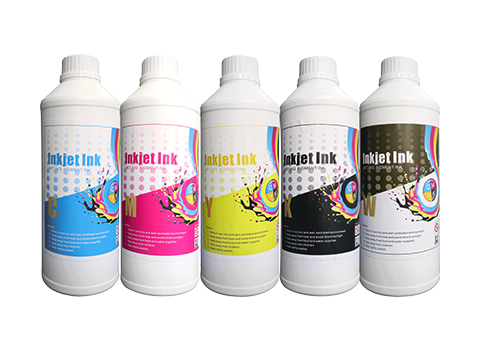
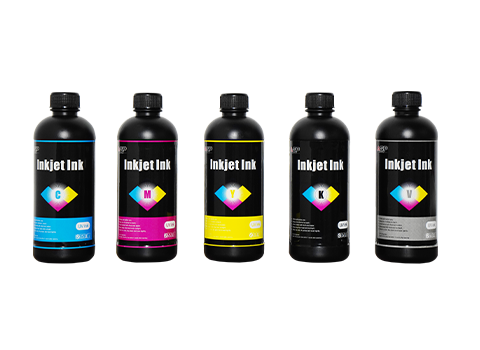
- DTF Ink: On average, DTF ink costs between $50 and $70 per liter. One liter of ink can cover approximately 70–90 square meters, depending on the print settings, especially when using white underbase ink.
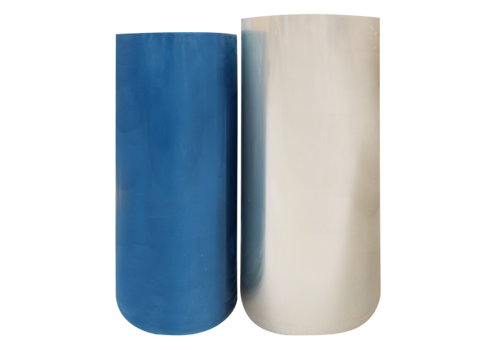
- DTF Film: For the film, rolls tend to be more cost-effective than sheets. A 60cm x 100m roll costs about $120 to $150. Using film in roll form saves on waste and cuts down costs in the long run.
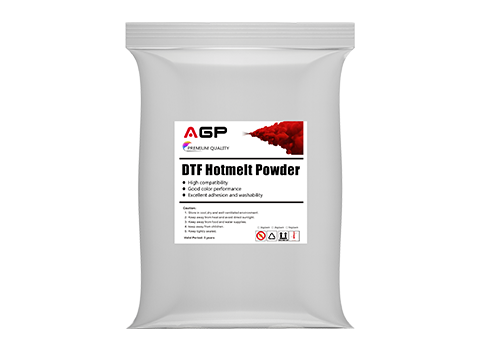
- DTF Powder: Adhesive powder costs about $15 to $25 per kilogram, with one kilogram covering around 100–150 linear meters of film.
Example Calculation:
If the combined cost of ink, film, and powder averages $1.20 per square foot, a typical 10″ x 10″ chest print (approximately 0.7 sq. ft) would cost around $0.84 in raw material costs.
Equipment Maintenance and Its Cost Impact
Regular maintenance of your DTF printer is essential for consistent performance and avoiding unexpected repairs. DTF printers require daily attention to keep them running smoothly:
- Printhead Cleaning: Daily maintenance is needed to prevent clogging of the white ink, which can affect print quality.
- Replacement Parts: Over time, parts like dampeners, capping stations, and printheads need to be replaced. These maintenance tasks should be accounted for in the cost calculation.
Example Calculation:
If daily maintenance consumes 10ml of ink and your printer runs 20 square meters per day, you should account for an additional $0.03 per square meter for ink used during cleaning.
Electricity and Labor Costs: Two Often Overlooked Expenses
Electricity Costs:
DTF printing requires a considerable amount of electricity, especially with the use of a curing oven, which melts the powder for adhesion. The energy consumption can significantly affect your utility bills.
- Example Calculation: If your printer and oven setup uses 2000 watts per hour, and the electricity rate is $0.15 per kWh, it costs $0.30 per hour to run both machines. If you're producing 15 linear feet per hour, the electricity cost per foot would be approximately $0.02.
Labor Costs:
Labor is often one of the most overlooked factors in cost calculations. This includes time spent on:
- Designing Patterns
- Managing the Printer
- Heat Pressing the Garment
- Maintaining the Printer
Example Calculation:
If an operator is paid $20/hour and can produce and heat-press 40 shirts per hour, the labor cost per shirt would be approximately $0.50.
Real-Life Examples of DTF Printing Cost Calculations
Let's break down the total cost of DTF printing with real-life examples:
Case A: Small Logo on a T-Shirt
- Size: 4″ x 4″ (approx. 0.11 sq. ft.)
- Consumables: $0.13
- Electricity: $0.005
- Labor: $0.40
- Total Cost per Shirt: ~$0.54
Case B: Large Full-Back Graphic
- Size: 12″ x 14″ (approx. 1.16 sq. ft.)
- Consumables: $1.39
- Electricity: $0.03
- Labor: $0.65
- Total Cost per Shirt: ~$2.07
Other Important Considerations When Calculating DTF Costs
In addition to the four main cost factors, there are other aspects to consider when calculating your total DTF printing costs:
- Waste: Always factor in a 5–10% “oops” margin for misprints, film jams, or design mistakes.
- Shipping: If you're selling transfers online, don't forget to include the cost of shipping materials (such as rigid mailers) and postage fees.
- Software: Many DTF printers require monthly RIP software subscriptions, which should be included in the overall cost.
Conclusion
Calculating the true cost of DTF printing is essential for maximizing your profit margins. By breaking down the expenses into consumables, maintenance, electricity, and labor, you can better manage costs without compromising print quality. Whether you're new to the DTF printing industry or looking to optimize your workflow, understanding these cost factors will help you make more informed decisions and run a more profitable business.
Ready to take your DTF printing business to the next level? Contact AGP for expert guidance and the best printing solutions to streamline your process and boost your bottom line.