
2025 Guide to Choosing the Best UV Printer: Key Features & Tips
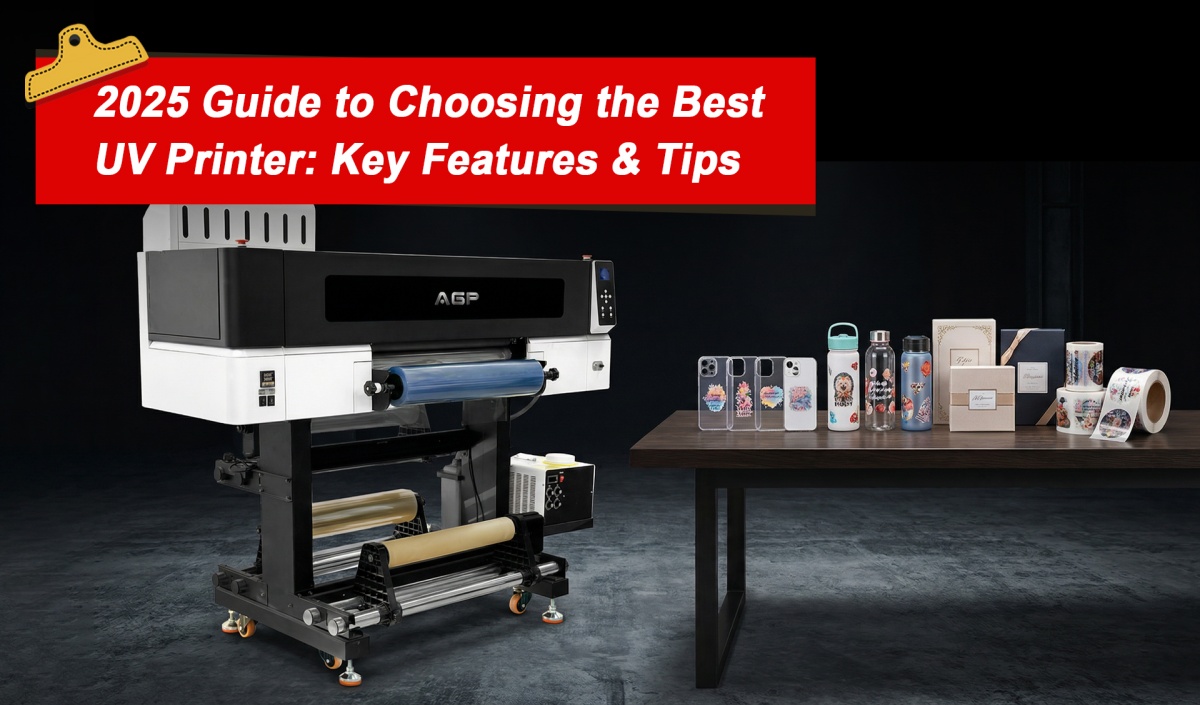
With the printing industry evolving rapidly, UV printers have become a critical tool for many businesses. They offer flexibility, high-quality prints, and can print on a range of materials, from metals to textiles. But with so many types and models available, how do you choose the right UV printer to drive your business forward?
In this comprehensive guide, we’ll walk you through the essential factors to consider when purchasing a UV printer in 2025, from types of printers to technical specifications, ensuring you make the best decision for your printing needs.
What is a UV Printer?
UV printers use ultraviolet (UV) light to cure ink as it’s printed, allowing it to be applied to nearly any surface, from rigid materials like glass and metal to flexible items such as fabric and plastic. This method results in highly durable, vibrant, and detailed prints. UV printers are used across various industries, including personalized gifts, signage, packaging, and product branding.
Types of UV Printers: Which One is Right for You?
In 2025, UV printers have diversified to cater to different printing needs. Understanding the differences between each type is crucial to selecting the right one for your business. The most common types include:
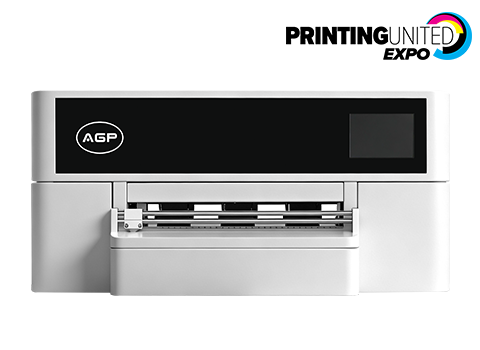
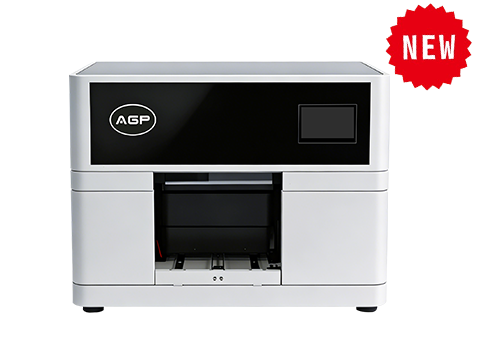
UV Flatbed Printer
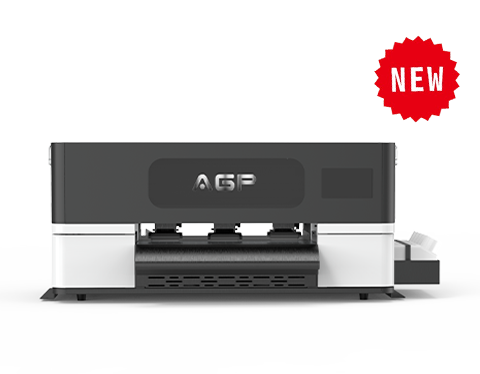
Perfect for printing on rigid surfaces, such as wood, acrylic, and metal. A UV flatbed printer allows for printing on both large and small flat objects, making it ideal for customized promotional products, signage, and gifts.
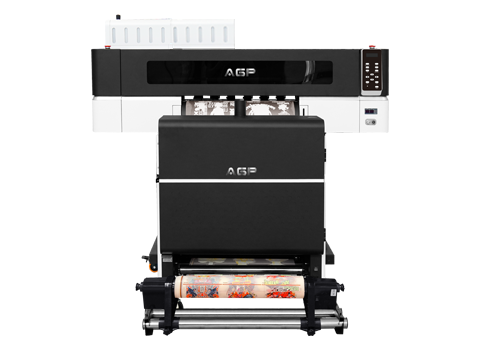
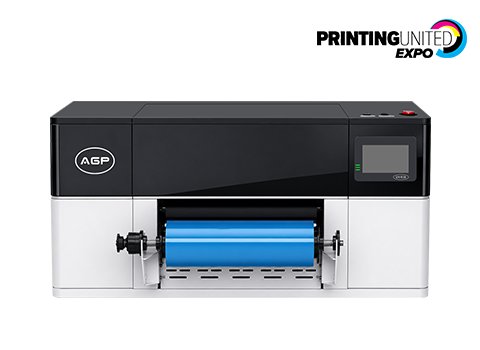
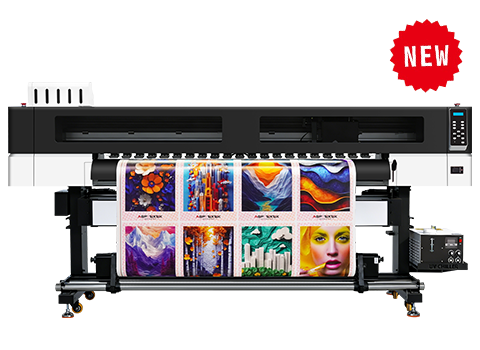
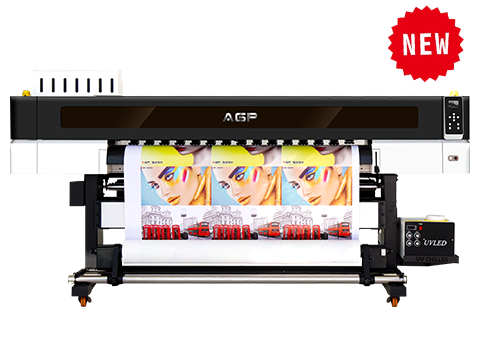
UV Roll-to-Roll Printer
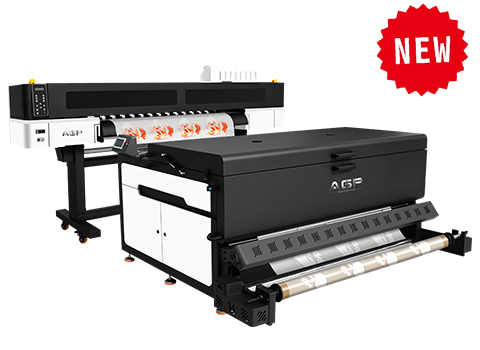
This type is designed to print on flexible materials such as vinyl, fabric, and paper. It’s ideal for printing banners, signage, and vehicle wraps, where continuous printing on long rolls is necessary.
UV Hybrid Printer
A hybrid printer combines the capabilities of a flatbed and roll-to-roll printer, enabling you to print on both rigid and flexible materials. It’s a versatile choice for businesses that need the flexibility to work with different materials in one machine.
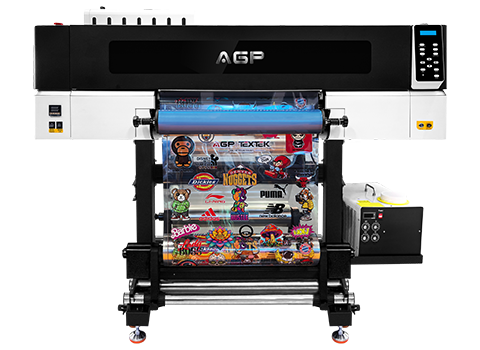
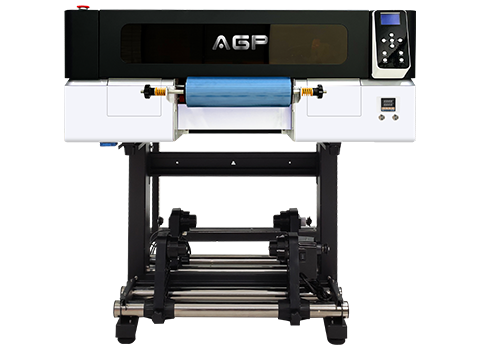
UV DTF Printer
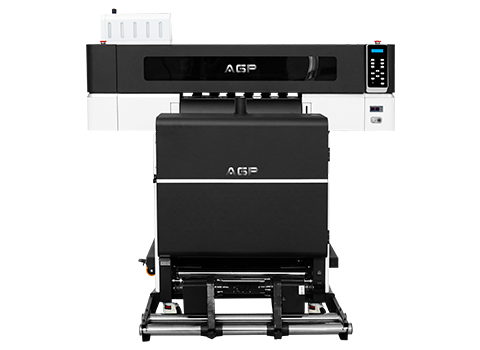
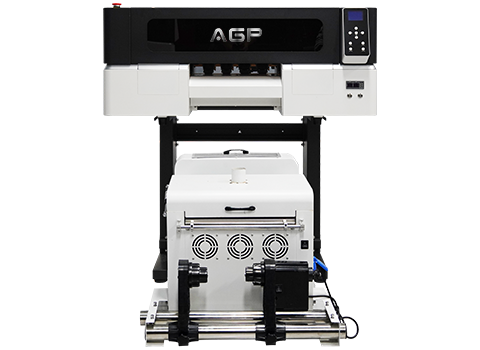
A UV DTF (direct-to-film) printer prints on transfer films that are later applied to both soft and rigid surfaces. It’s great for printing intricate designs onto irregular shapes or surfaces like mugs, bottles, and promotional items.
Key Factors to Consider When Choosing a UV Printer
1. Printing Requirements and Market Demands
Understanding your printing needs and market demands is crucial. What materials do you primarily print on? Do you need high-speed printing for mass production or a printer that can handle smaller, personalized orders? For example, a custom gift shop may need a UV flatbed printer for precision, while a large signage company might require a UV roll-to-roll printer for faster, large-scale projects.
2. Printer Type
Choose a printer type based on the substrates and shapes you plan to work with. A UV flatbed printer is ideal for rigid materials, while a UV roll-to-roll printer is designed for flexible materials. If you want versatility, go for a hybrid printer that can handle both types of substrates.
3. Print Speed, Quality, and Size
Printing speed is vital, especially for businesses with high order volumes. A UV flatbed printer may offer slower speeds compared to a UV roll-to-roll printer, but it provides high-resolution, detailed prints. For quality, check the printer's DPI (dots per inch) rating—higher DPI results in finer details.
4. UV Printer Supplies
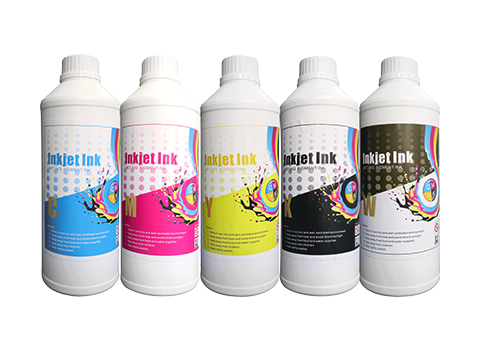
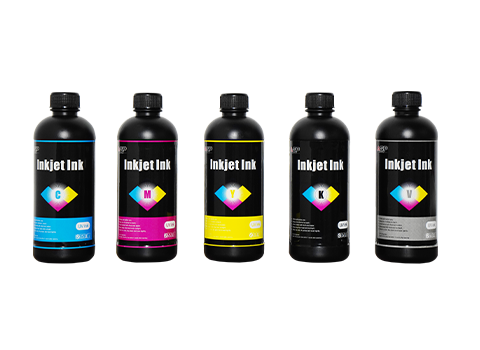
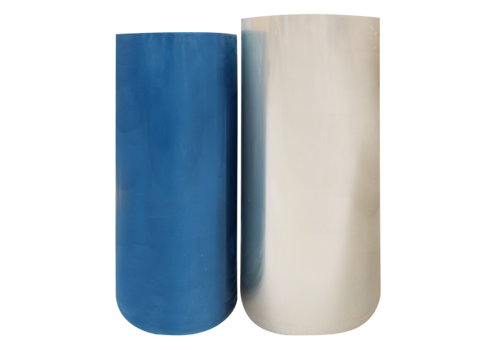
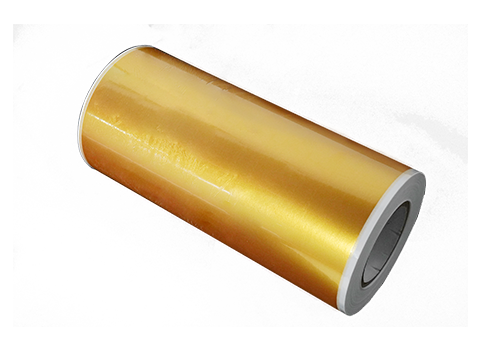
Investing in high-quality UV ink is essential for achieving vibrant, durable prints. UV ink is specifically designed to cure under UV light, creating a glossy, resistant finish. Additionally, for UV DTF printers, the transfer films play a critical role in achieving high-quality results.
5. Printer Price and Cost Efficiency
Pricing varies significantly depending on the printer’s features, size, and capabilities. While larger, more advanced UV printers come at a higher cost, smaller models offer a more budget-friendly solution for startups. However, the total cost of ownership includes not just the initial investment, but also maintenance, ink, and supplies.
6. Software and Connectivity
Ensure that the printer you choose is compatible with the design software you plan to use. Look for models that support popular RIP (Raster Image Processor) software, color management, and have seamless integration with your existing systems. Connectivity features such as Wi-Fi or Ethernet support can also improve workflow efficiency.
7. Service, Support, and Warranty
A strong warranty and after-sales support can save you money and downtime in the long run. Always opt for a manufacturer that provides training, troubleshooting guides, and fast, responsive customer support.
Why Choose a UV Printer in 2025?
Versatility in Materials
UV printers can print on almost any material, including hard surfaces like acrylic, wood, and metal, as well as flexible materials like fabric and vinyl. This flexibility allows you to meet a wide range of customer demands, from promotional items to personalized gifts.
Instant Drying
One of the standout features of UV printing is the instant curing of ink. Unlike traditional printing methods, which require drying time, UV printing produces a finished product immediately. This reduces turnaround time and allows businesses to handle more orders efficiently.
Durability and Scratch Resistance
UV printing uses UV-cured ink, which is more resistant to fading, scratches, and wear than other forms of ink. This makes UV printing ideal for products that will see frequent use or exposure to the elements, like outdoor signage or promotional items.
High-Quality Prints
UV printers offer exceptional print quality, with rich colors, sharp details, and the ability to print intricate designs or 3D effects. This makes them the go-to option for businesses looking to produce premium products that stand out in the market.
Key Trends in UV Printing for 2025
UV Printing on Fabrics
Traditionally, UV printers have been used on rigid surfaces, but in 2025, innovations have made it possible to print on fabrics like cotton, polyester, and denim. This opens up new possibilities for the fashion industry, offering custom printing options for apparel and accessories.
UV Printing on Cylindrical Items
Another breakthrough in 2025 is the UV printer’s ability to print on cylindrical items, such as bottles, pens, and mugs. This has become a game-changer in promotional products and personalized gifts, allowing businesses to expand their product offerings.
Conclusion
Choosing the right UV printer for your business requires careful consideration of your printing needs, the type of materials you’ll be working with, and your budget. With advancements in technology and a growing demand for high-quality, customizable products, UV printing is an essential tool for businesses looking to stay ahead of the competition. By following the tips in this guide, you can make an informed decision that will help you grow your business and achieve long-term success.